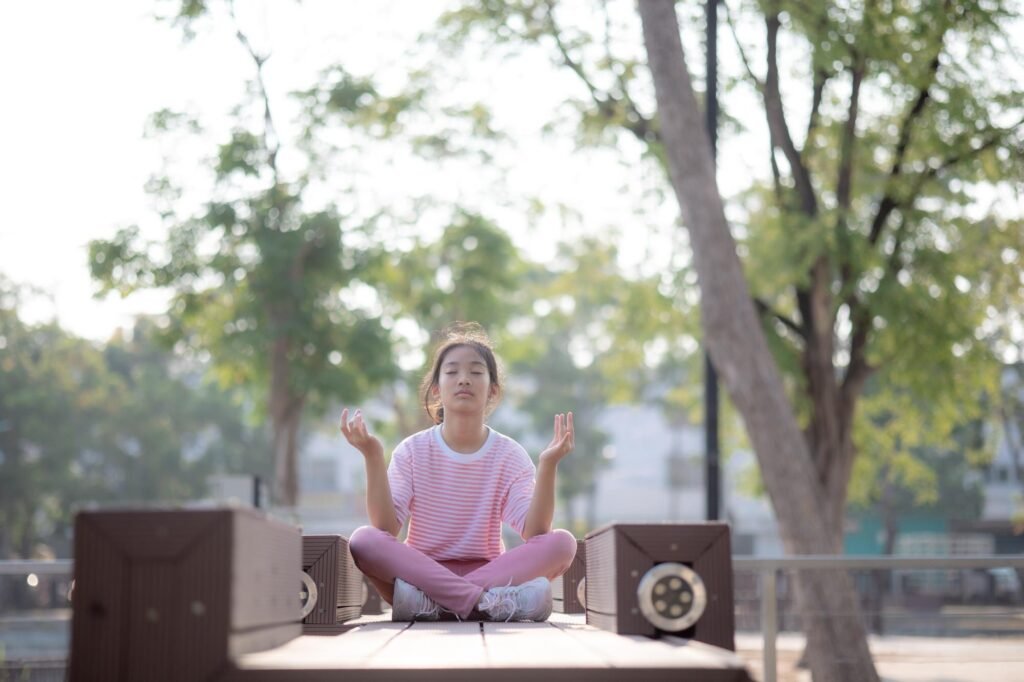
Unlocking Calm: Top Techniques to Reduce Anxiety and Perfectionism in Gifted Teens
Gifted teens often carry the weight of the world on their shoulders, striving for perfection while battling anxiety that others may not see. As a parent, you want nothing more than to help them find balance and peace. This journey isn’t easy, but you’re not alone. Here, we’ll explore practical techniques to reduce anxiety and manage perfectionism, offering hope and tools for emotional wellness and personal growth. Ready to support your teen in embracing their true potential? Let’s dive into this path together. For more insights, check out this resource.
Techniques to Calm Gifted Teens
When it comes to calming gifted teens, finding effective methods can make a significant difference in their emotional well-being. By incorporating mindfulness and establishing healthy routines, teens can learn to manage anxiety and foster a sense of calm. These techniques not only serve as immediate relief but also contribute to long-term emotional wellness.
Mindfulness Practices for Peace
Mindfulness is a powerful technique for gifted teens to cultivate peace and reduce anxiety. Mindfulness involves being fully present and aware of the moment without judgment. This practice can help teens focus on the present rather than getting lost in worries about the past or future.
Breathing exercises: Encourage your teen to practice deep breathing by inhaling slowly through the nose, holding their breath for a few seconds, and exhaling through the mouth. This simple exercise can reduce stress and bring a sense of calm.
Guided imagery: Listening to recorded scripts that guide them through visualization can transport them to a peaceful mental state, reducing anxiety.
Incorporating these practices into daily life provides teens with tools to manage their emotions effectively. Mindfulness can become a routine that supports emotional wellness and helps them focus on what truly matters.
Building Healthy Routines
Creating a structured routine can significantly benefit gifted teens by providing a stable framework for their day. A well-planned routine helps reduce anxiety by establishing clear expectations and a sense of control.
Consistent sleep schedule: Encourage your teen to maintain regular sleep and wake times. Adequate rest is essential for managing stress and maintaining mental health.
Balanced activities: Include a mix of schoolwork, hobbies, and relaxation to keep them engaged without feeling overwhelmed.
Routines can be adjusted to suit individual needs, but the key is consistency. Developing healthy habits early on can contribute to a balanced lifestyle, promoting personal growth and emotional wellness.
Managing Perfectionism
Gifted teens often struggle with perfectionism, leading to high stress levels and unrealistic expectations. By learning to manage these tendencies, they can lead healthier, more balanced lives. This section explores strategies for setting achievable goals and accepting mistakes as part of learning.
Setting Realistic Goals
Setting realistic goals is crucial for managing perfectionism in gifted teens. Goals should be achievable and aligned with their strengths and interests.
Prioritize tasks: Help them identify what needs immediate attention vs. tasks that can wait.
Break goals down: Large projects can be overwhelming; breaking them into smaller, manageable tasks makes them less daunting.
Celebrate progress: Acknowledge achievements, no matter how small, to build confidence and motivation.
By focusing on attainable objectives, teens can experience a sense of accomplishment and reduce the pressure of perfectionism. This approach fosters personal growth and emotional wellness. For more insights, visit https://vkcircle.comvkcircle.com/.
Embracing Mistakes
Mistakes are inevitable and can be valuable learning opportunities. Encouraging a positive mindset towards errors can help gifted teens manage perfectionism.
Normalize failure: Discuss famous failures to illustrate that success often follows setbacks.
Reflect and learn: Encourage self-reflection on what went wrong and how to improve.
Seek feedback: Constructive criticism can guide improvement and help teens view mistakes as part of the growth process.
Understanding that mistakes are part of learning can help teens let go of perfectionism. This shift in perspective can reduce anxiety and improve self-esteem. For more strategies, check Raising Lifelong Learners.
Path to Emotional Wellness
Supporting emotional wellness in gifted teens involves encouraging personal growth and providing parental support. This section outlines practical strategies for fostering an emotionally healthy environment.
Encouraging Personal Growth
Personal growth is a continuous journey for gifted teens. Fostering a growth mindset encourages them to view challenges as opportunities for development.
Encourage curiosity: Support their interests and explore new subjects together.
Model resilience: Share personal experiences of overcoming obstacles to inspire them.
Promote self-reflection: Journaling can help teens process their thoughts and emotions.
Nurturing a growth mindset promotes self-awareness and adaptability, empowering teens to face life’s challenges with confidence. To learn more, visit the Davidson Gifted Blog.
Parent Support Strategies
Parents play a vital role in supporting their gifted teen’s emotional wellness. Offering understanding and guidance is essential in their development.
Active listening: Create a safe space for open communication without judgment.
Encourage independence: Allow them to make decisions and learn from their experiences.
Seek professional help: If needed, consider coaching services like those offered by Therapy Center TN.
Providing the right support can make a significant difference in a teen’s emotional health. Parents can be a steady source of comfort and guidance, helping their teens navigate the complexities of growing up gifted.

A certified Heal Your Life® Coach with 20+ years in education and emotional development. Supports gifted teens in navigating anxiety, perfectionism, and identity challenges, while equipping parents with practical tools for lasting transformation. Sessions blend emotional healing, mindset mastery, and strategic empowerment.