
Adventure-Based Mindset Training: Building Resilience in Gifted Teens
Gifted teens often face unique challenges, feeling the weight of expectations and the pressure to excel. As a parent, you might be searching for ways to support your child’s emotional growth and resilience. Adventure-based training can be the answer, fostering teen resilience through hands-on experiences that build self-awareness. Imagine your teen gaining strength and confidence by tackling real-world challenges. Explore how this approach can empower your gifted teen to thrive.## Understanding Gifted Teens

Gifted teens navigate a world of high expectations and emotional complexities. Understanding these unique challenges is crucial for parents aiming to support their child’s development effectively.
The Pressure to Excel
Gifted teens often feel an intense pressure to excel, driven by internal expectations and external demands. They may strive for perfection, leading to stress and anxiety. Balancing these pressures with healthy coping strategies is essential.
High expectations can lead to burnout.
Perfectionism may result in avoidance of unfamiliar tasks.
Emotional support is crucial to manage these challenges.
By recognizing these pressures, parents can better support their teens’ emotional well-being. Programs like Pure Life Adventure provide valuable resources for addressing anxiety and stress.
Unique Emotional Needs
Gifted teens have unique emotional needs that require understanding and empathy. They may experience heightened sensitivity and intense emotions. These traits can lead to challenges in social situations or emotional regulation.
Heightened sensitivity: May lead to feeling overwhelmed.
Intense emotions: Require mindful management strategies.
Social challenges: Difficulty in relating to peers.
Parents can support their teens by fostering open communication and seeking resources that cater to these specific needs. Programs like Ballast Health and Wellness offer guidance on emotional growth.
Adventure-Based Training Benefits

Adventure-based training leverages real-world challenges to develop resilience and emotional growth in gifted teens. This approach can transform how they perceive and handle life’s hurdles.
Building Teen Resilience
Building resilience in teens involves equipping them with skills to navigate adversity confidently. Adventure-based training focuses on experiential learning, boosting adaptability and problem-solving abilities.
Experiential Learning: Encourages active participation in overcoming obstacles.
Adaptability: Helps teens adjust to new situations.
Problem-Solving: Enhances critical thinking skills.
According to Canvas VK Creative Circle, this method promotes self-efficacy, empowering teens to face challenges head-on.
Fostering Emotional Growth
Adventure-based training also fosters emotional growth by encouraging self-reflection and self-awareness. These programs help teens understand their emotions better and build emotional intelligence.
Self-Reflection: Promotes internal understanding and insight.
Emotional Intelligence: Enhances empathy and emotional regulation.
Self-Awareness: Encourages personal growth and maturity.
By engaging in activities that challenge their comfort zones, teens learn to process and express emotions constructively. This growth is vital for their overall well-being and future success.
Mindset Development Techniques
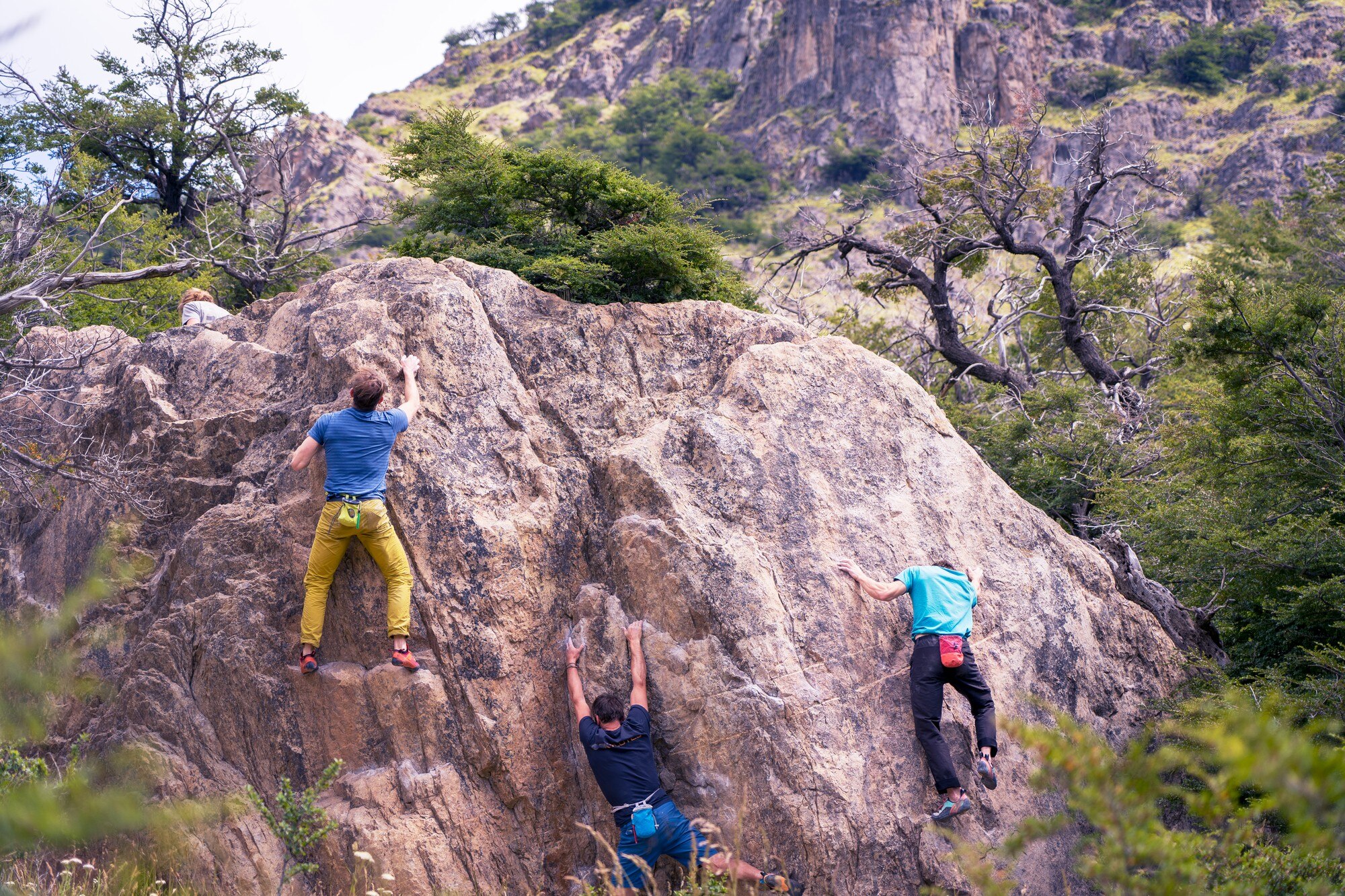
Mindset development in gifted teens is vital for nurturing a healthier approach to challenges. Adventure-based training employs techniques that encourage positive mental habits.
Hands-On Challenges
Hands-on challenges in adventure-based training provide teens with practical experiences to develop resilience. These activities foster critical thinking and teamwork.
Diverse Activities: Engage in rock climbing, hiking, or team sports.
Skill Development: Enhance problem-solving and leadership abilities.
Teamwork: Foster collaboration and communication skills.
By participating in these challenges, teens gain confidence and learn the value of perseverance. This approach is supported by studies like those found on PubMed, showing the benefits of experiential learning.
Reflective Practices
Reflective practices are integral to mindset development, allowing teens to process their experiences and emotions. These practices enhance self-awareness and emotional regulation.
Journaling: Encourages self-expression and clarity of thoughts.
Meditation: Promotes mindfulness and emotional balance.
Group Discussions: Facilitates shared learning and empathy.
Engaging in these practices helps teens internalize their learning experiences, fostering deeper emotional understanding. For further insights, visit Chrysalis School Montana.
🌟

A certified Heal Your Life® Coach with 20+ years in education and emotional development. Supports gifted teens in navigating anxiety, perfectionism, and identity challenges, while equipping parents with practical tools for lasting transformation. Sessions blend emotional healing, mindset mastery, and strategic empowerment.