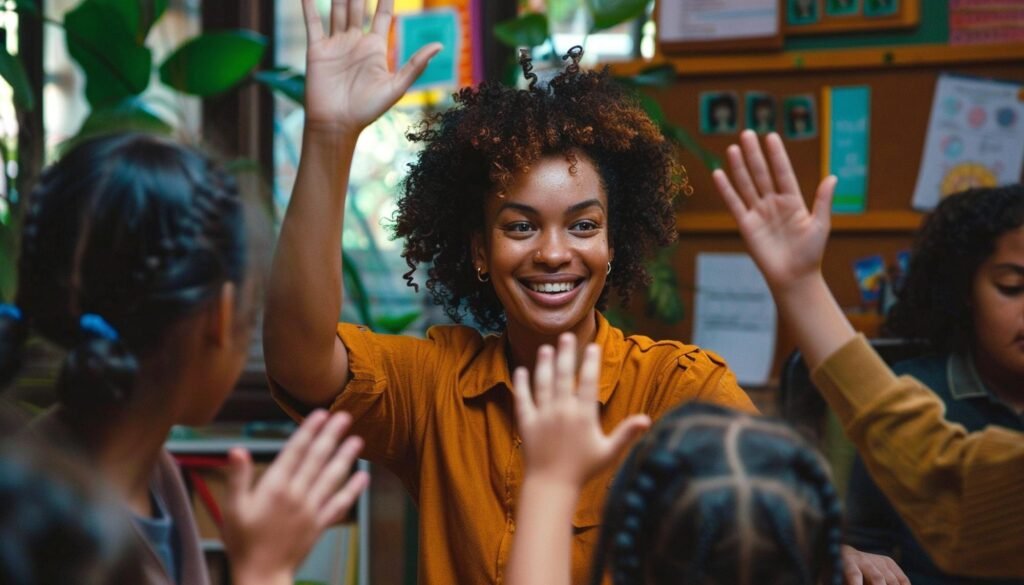
Empowering Gifted Minds: Top Strategies for Educators to Foster Resilience and Confidence
Gifted students face unique emotional challenges. High expectations and anxiety often cloud their path. Imagine if you could guide these bright minds toward resilience and confidence with ease. This blog dives into practical strategies for educators, equipping you with the tools to nurture emotional well-being in your gifted learners. Ready to transform your approach and create a supportive environment where gifted students thrive? Let’s explore how you can make a lasting impact today. Learn more.
Cultivating Emotional Well-being
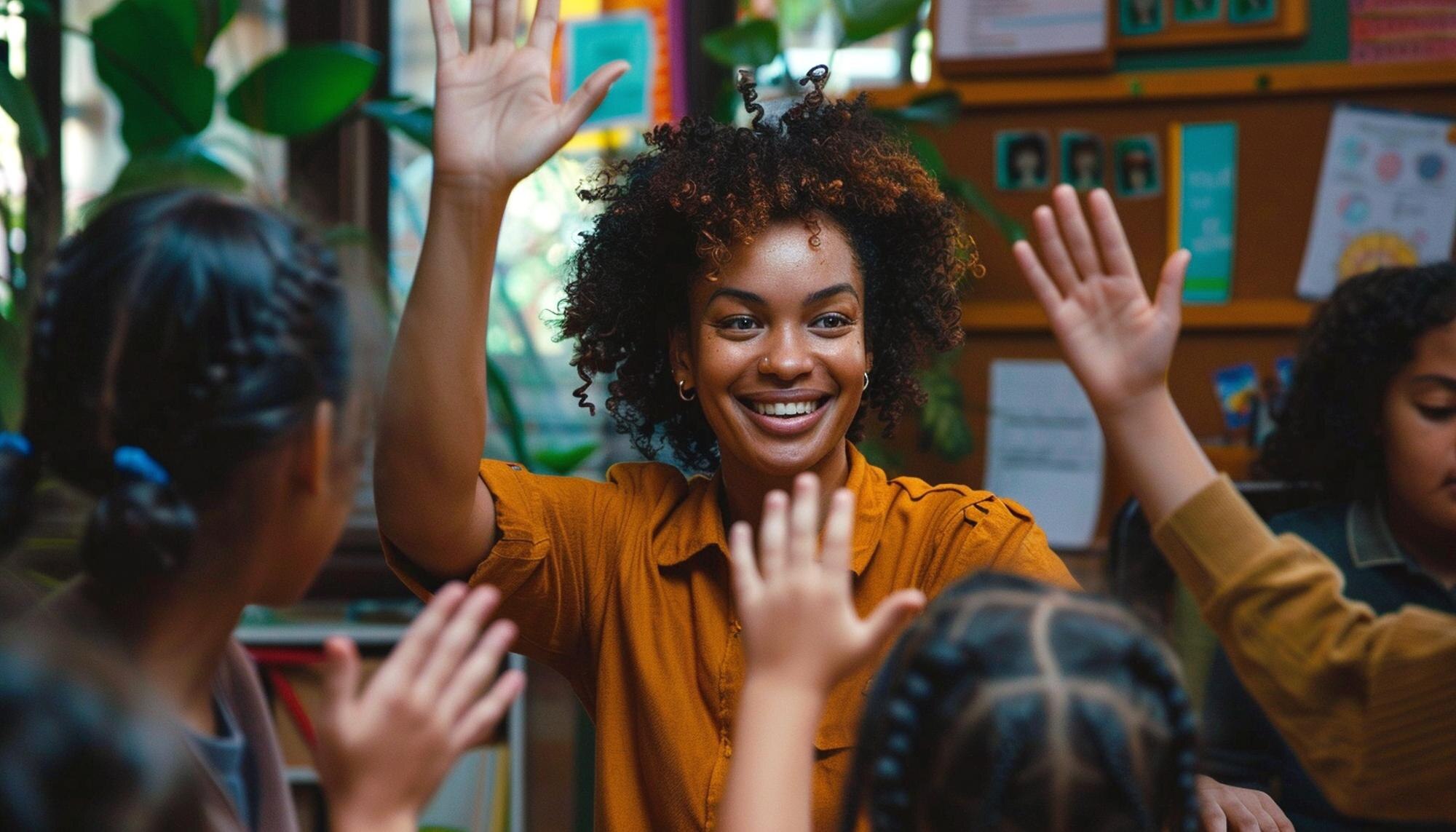
Gifted students often face emotional challenges that differ from their peers. By understanding their unique needs, educators can build a supportive classroom environment that fosters emotional well-being.
Understanding Gifted Students’ Needs
Gifted students have distinct needs that require special attention. High intellectual capacity can lead to feelings of isolation and pressure. It’s essential to recognize their need for intellectual stimulation alongside emotional support. By acknowledging these needs, educators can create a balanced learning atmosphere.
Real-world examples show that students often excel when they are understood. For instance, one student thrived when his teacher recognized his need for advanced material. Key insights from this include:
The importance of recognizing individual intellectual and emotional needs.
Providing opportunities for gifted students to engage with challenging material.
Encouraging open communication between students and educators.
To further understand these needs, educators can explore resources like this.
Building a Supportive Classroom Environment
Creating a supportive classroom involves more than just academic support. A positive environment nurtures emotional well-being, ensuring that gifted students feel safe and valued. Start by fostering a sense of community where students can express themselves freely.
Encourage collaboration through group projects.
Create opportunities for students to share their thoughts and ideas.
Foster a culture of respect and understanding.
A supportive classroom can significantly impact students’ emotional well-being. For educators seeking to enhance their strategies, this guide offers valuable insights.
Strategies for Resilience and Confidence
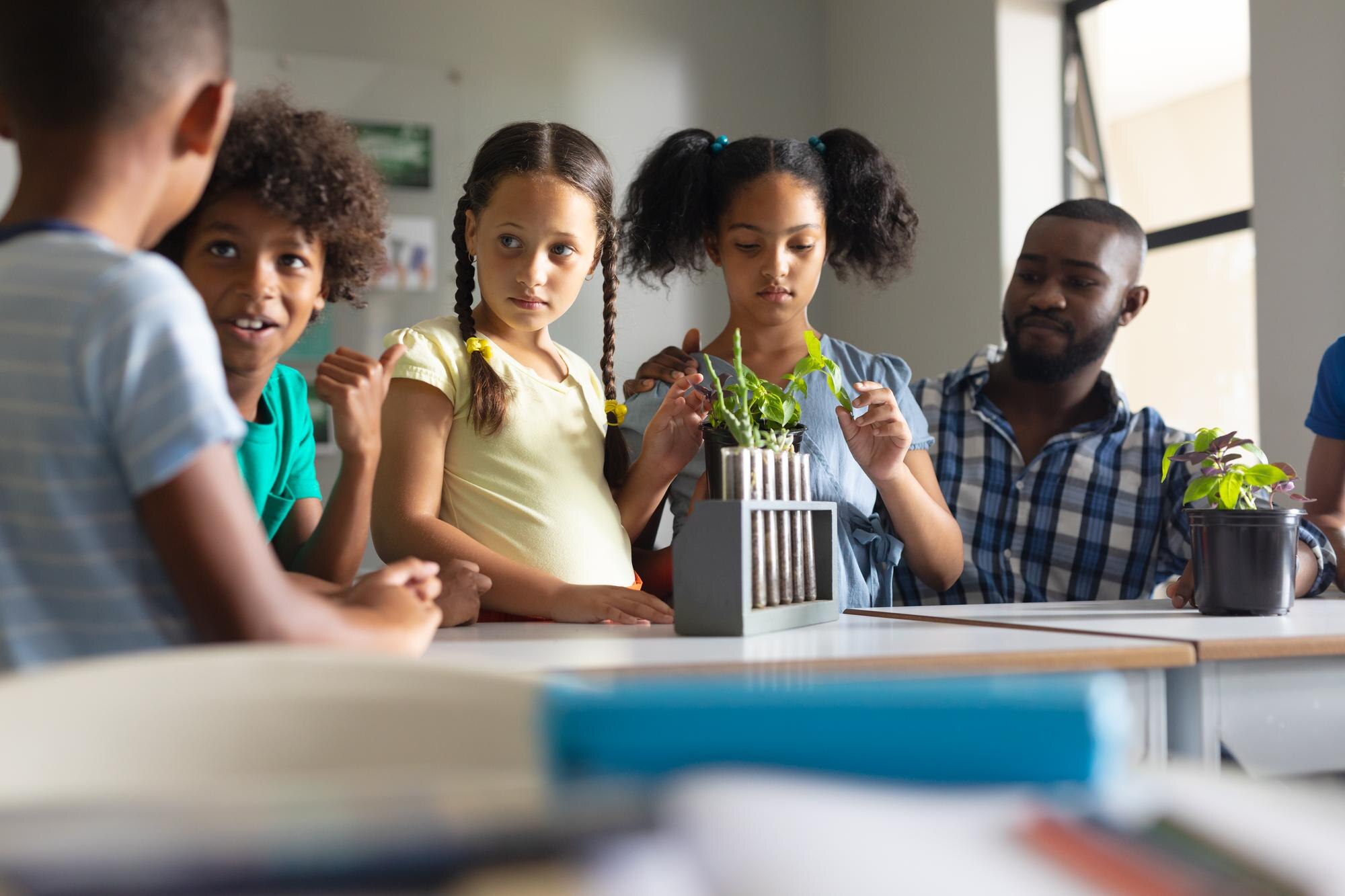
Resilience and confidence are critical for gifted students to succeed. By incorporating strategies that encourage a growth mindset and manage perfectionism, educators can empower their students.
Encouraging Growth Mindset
The growth mindset is a powerful tool for gifted students. Believing in the ability to grow and improve helps students tackle challenges with confidence. Encourage students to view failures as learning opportunities rather than setbacks.
Consider the following strategies to encourage a growth mindset:
Use praise that focuses on effort rather than innate ability.
Provide challenges that push students out of their comfort zones.
Share stories of famous individuals who overcame failures.
Educators can delve deeper into fostering a growth mindset through resources like this.
Managing Perfectionism and Anxiety
Gifted students often struggle with perfectionism and anxiety. Addressing these issues is crucial for fostering confidence. Perfectionism can lead to anxiety, hindering students’ ability to take risks and learn from mistakes.
To manage perfectionism:
Encourage students to set realistic goals.
Teach stress management techniques like mindfulness and breathing exercises.
Promote the idea that mistakes are a natural part of learning.
For more strategies on managing perfectionism, educators can refer to this resource.
Practical Tools for Educators

Educators can utilize practical tools to support gifted students. Adventure-based learning and global cultural sensitivity are effective in promoting resilience and confidence.
Incorporating Adventure-Based Learning
Adventure-based learning offers experiential learning opportunities that enhance resilience. This approach involves hands-on activities that build problem-solving skills and confidence.
Here’s how to incorporate adventure-based learning:
Organize outdoor activities that require teamwork and problem-solving.
Use simulations and role-playing scenarios in the classroom.
Encourage reflection after each activity to solidify learning.
These activities can make learning more engaging and meaningful. For more insights, educators can explore this resource.
Promoting Global Cultural Sensitivity
Promoting global cultural sensitivity helps students appreciate diversity. It expands their worldview and fosters empathy. Understanding different cultures is crucial for personal growth.
Educators can promote cultural sensitivity by:
Introducing multicultural literature and resources.
Encouraging discussions on global issues and diverse perspectives.
Providing opportunities for students to interact with peers from different backgrounds.
For comprehensive strategies, educators can consult this guide to enrich their teaching methods.

A certified Heal Your Life® Coach with 20+ years in education and emotional development. Supports gifted teens in navigating anxiety, perfectionism, and identity challenges, while equipping parents with practical tools for lasting transformation. Sessions blend emotional healing, mindset mastery, and strategic empowerment.



