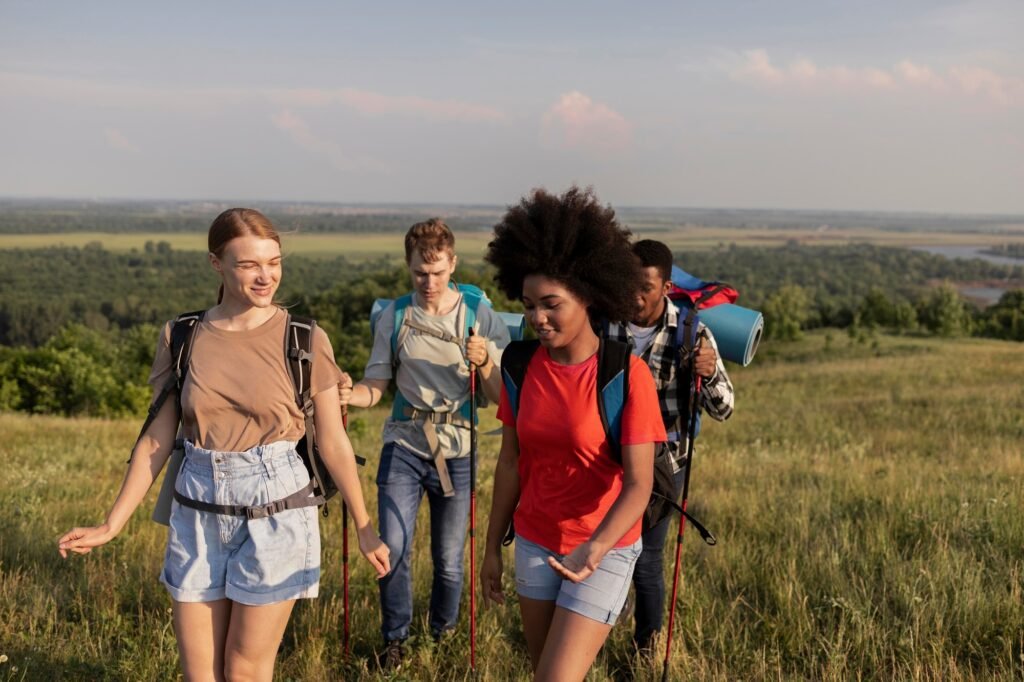
Adventure-Based Mindset Training: Unlocking the Potential of Gifted Teens
Imagine a world where your gifted teen feels empowered rather than overwhelmed. Adventure-based mindset training offers a lifeline, guiding them through emotional growth and resilience. This innovative approach helps teens step out of their comfort zones, embrace challenges, and thrive. You’ll uncover how this unique training can transform your child’s emotional health and personal development. Ready to support your teen’s journey to self-discovery and strength? Let’s explore how these adventures can make a lasting impact. Learn more here.
Understanding Adventure-Based Mindset Training
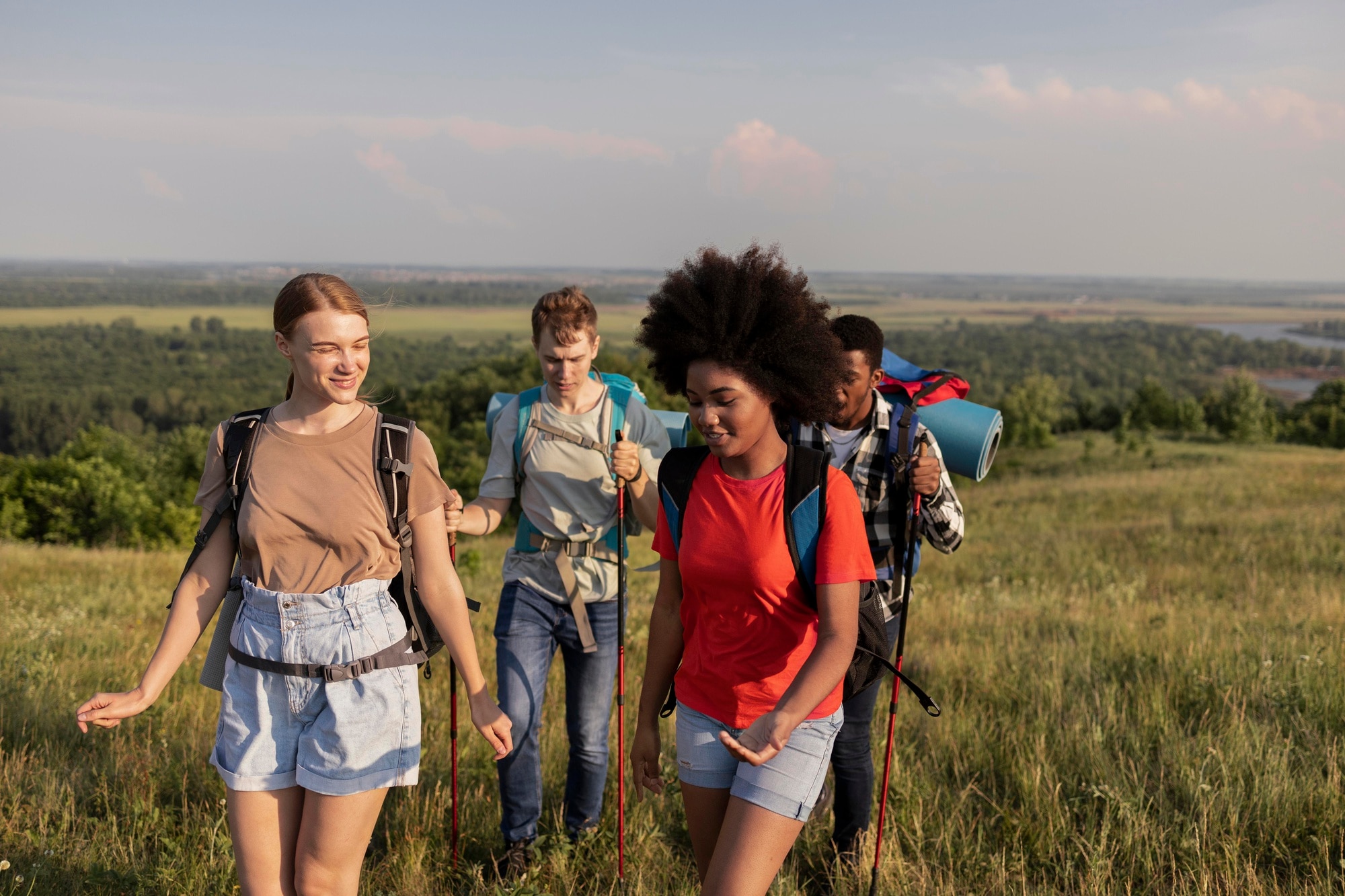
Adventure-based mindset training is a groundbreaking approach designed to help gifted teens achieve emotional growth and resilience. This method combines physical activity with personal development to foster a well-rounded mindset in young individuals.
Benefits for Gifted Teens
Adventure-based mindset training offers numerous benefits for gifted teens. These benefits range from enhanced problem-solving skills to improved emotional regulation. By participating in such programs, teens can gain a deeper understanding of themselves and their emotions.
Moreover, these experiences provide a safe space where gifted teens can practice social skills. Teens often struggle in traditional environments, but adventure-based activities can offer a fresh perspective. They can connect with peers who share similar experiences, fostering a sense of belonging.
Engaging in adventure-based training can also lead to increased self-confidence. When teens step away from their usual settings, they challenge themselves in new ways. This process encourages them to trust their instincts and abilities, promoting personal growth.
Emotional Growth and Resilience
Programs focused on emotional growth and resilience are crucial for gifted teens. These programs emphasize overcoming challenges and adapting to new situations. By doing so, they help teens build resilience that extends beyond the training sessions.
One key component is learning to face failure. Many gifted teens are perfectionists who fear making mistakes. Adventure-based training helps them see failure as a learning opportunity. This shift in mindset is essential for emotional development.
Furthermore, the training involves activities that stimulate emotional responses. This engagement helps teens become more aware of their emotions, leading to better emotional regulation. Over time, these skills become integral to their personal development.
Real-Life Applications
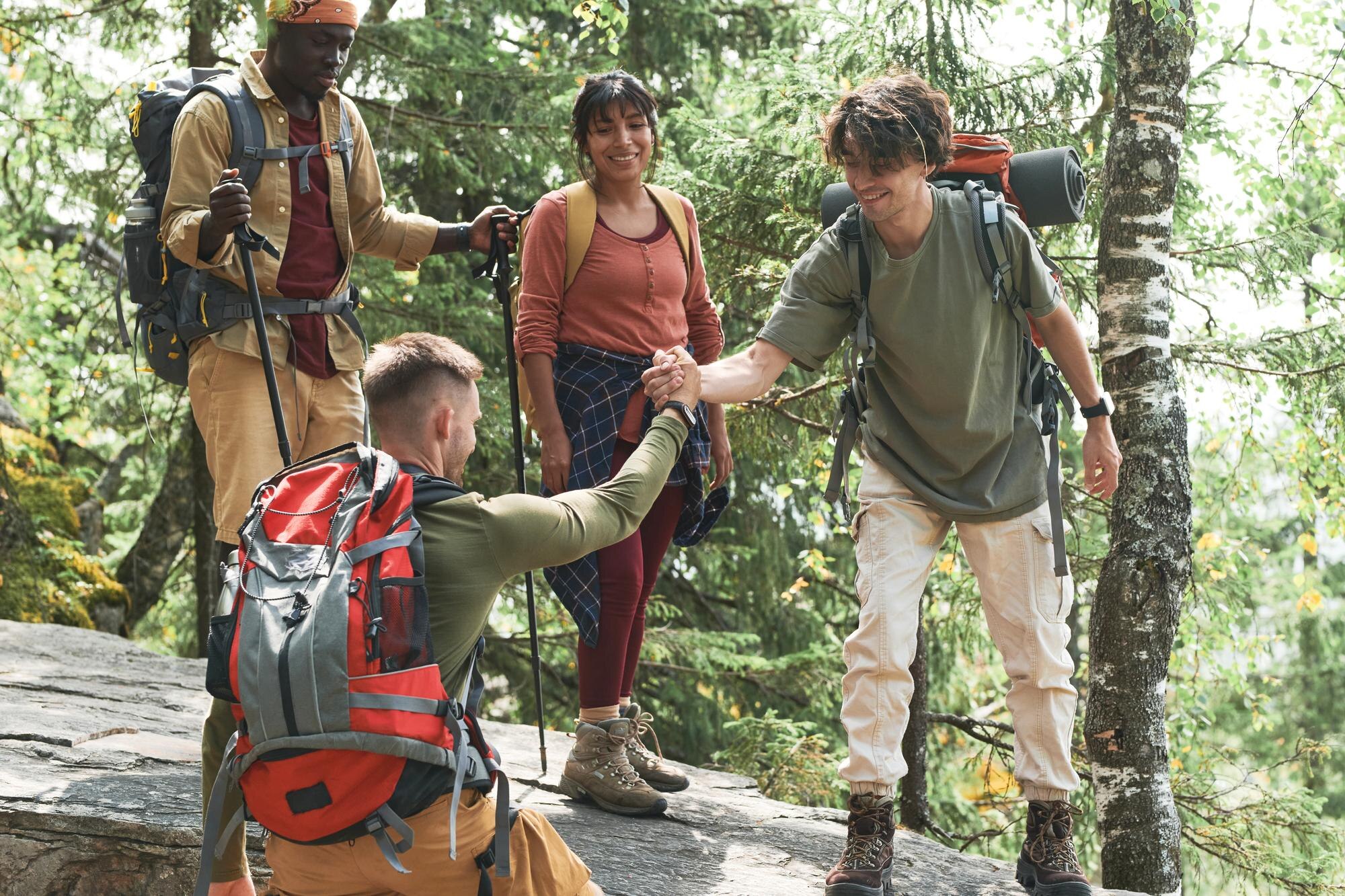
Adventure-based mindset training isn’t confined to theoretical concepts. Its real-life applications provide teens with a practical framework for navigating life’s challenges.
Stepping Out of Comfort Zones
Stepping out of comfort zones is a fundamental part of adventure-based mindset training. It encourages teens to move beyond familiar settings and experiences.
Exploration Activities: Teens participate in activities like hiking or rock climbing. These activities require them to confront fears and push physical boundaries.
Team Challenges: Group activities help teens learn collaboration and communication. Working in teams teaches them the importance of shared goals and collective effort.
Reflection Sessions: After activities, teens reflect on their experiences. Reflection helps them process emotions and recognize personal growth.
By engaging in these activities, teens discover their potential and learn to embrace uncertainty.
Building Resilience through Challenges
Building resilience is a core aspect of adventure-based training. By encountering and overcoming challenges, teens develop a robust mental framework.
Resilient Mindset: Challenges teach teens persistence. They learn that setbacks are part of the journey, encouraging a resilient mindset.
Self-Awareness: Teens gain insights into their behavior and reactions. This self-awareness helps them manage stress and emotions effectively.
Peer Support: Teens often form bonds with peers during training. This support network reinforces their resilience and provides a sense of community.
Through these challenges, teens learn to navigate the ups and downs of life with strength and poise.
Supporting Your Gifted Teen

Parents and educators play a crucial role in supporting gifted teens through adventure-based mindset training. By providing the right tools and encouragement, they can help teens achieve personal development.
Tools for Parents and Educators
Supporting a gifted teen requires effective tools and strategies. Here’s how parents and educators can assist:
Communication: Open dialogue about emotions and experiences is key. Encourage teens to share their thoughts and feelings regularly.
Resources: Utilize programs like those at Newport Academy that specialize in adventure-based therapy.
Consistency: Maintain a regular schedule for adventure-based activities. Consistency ensures that teens continue to develop their skills over time.
These tools foster an environment where gifted teens feel understood and supported.
Encouraging Personal Development
Encouraging personal development in gifted teens involves a mix of patience and inspiration. Here are some suggestions:
Set Realistic Goals: Help teens set achievable goals. Use resources like Clearfork Academy to understand the benefits of structured goals.
Promote Self-Reflection: Encourage teens to reflect on their experiences. Self-reflection is vital for recognizing growth and areas for improvement.
Provide Opportunities: Introduce teens to programs like those at Mission Grit that offer experiential learning.
These suggestions empower teens to take charge of their personal development journey.
🌟

A certified Heal Your Life® Coach with 20+ years in education and emotional development. Supports gifted teens in navigating anxiety, perfectionism, and identity challenges, while equipping parents with practical tools for lasting transformation. Sessions blend emotional healing, mindset mastery, and strategic empowerment.