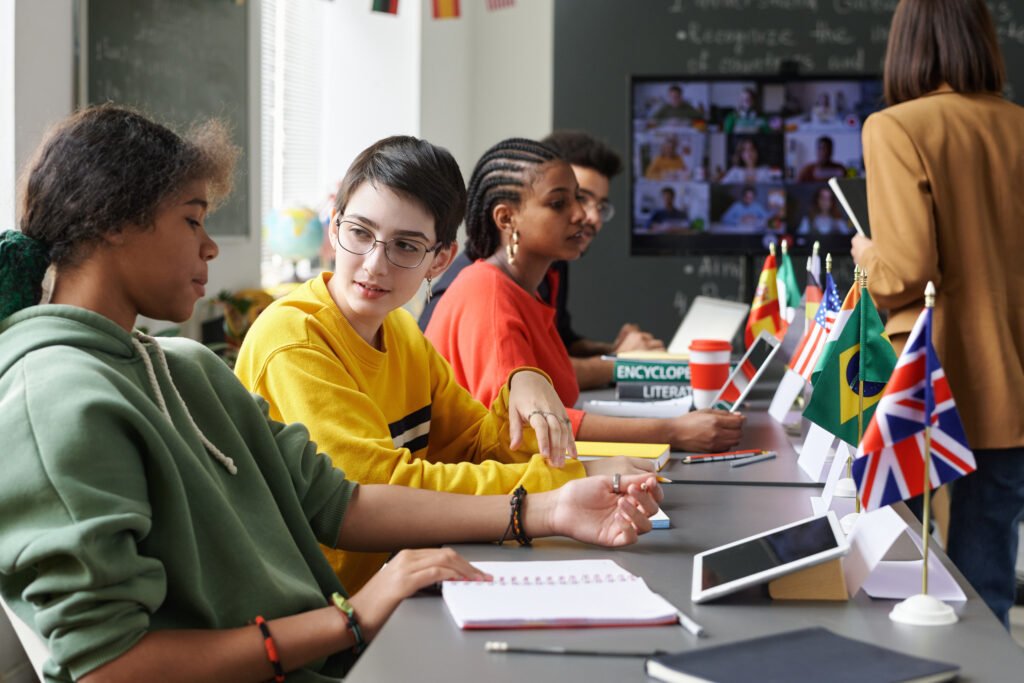
Multiethnic group of students sitting at table with country flags and communicating during international conference, copy space
Embracing Cultural Sensitivity: A Key to Empowering Gifted Youth
Gifted teens often carry the weight of the world on their shoulders. The pressure to excel, the fear of being misunderstood—it’s a lot. But what if the missing piece in their journey to emotional intelligence and personal growth is cultural sensitivity? It’s time to explore this crucial element in gifted youth coaching. By embracing diverse perspectives, we can help these remarkable young minds thrive. Ready to see how cultural understanding can empower your child? Let’s dive into this transformative approach together. Learn more about why cultural awareness is important.
Understanding Cultural Sensitivity
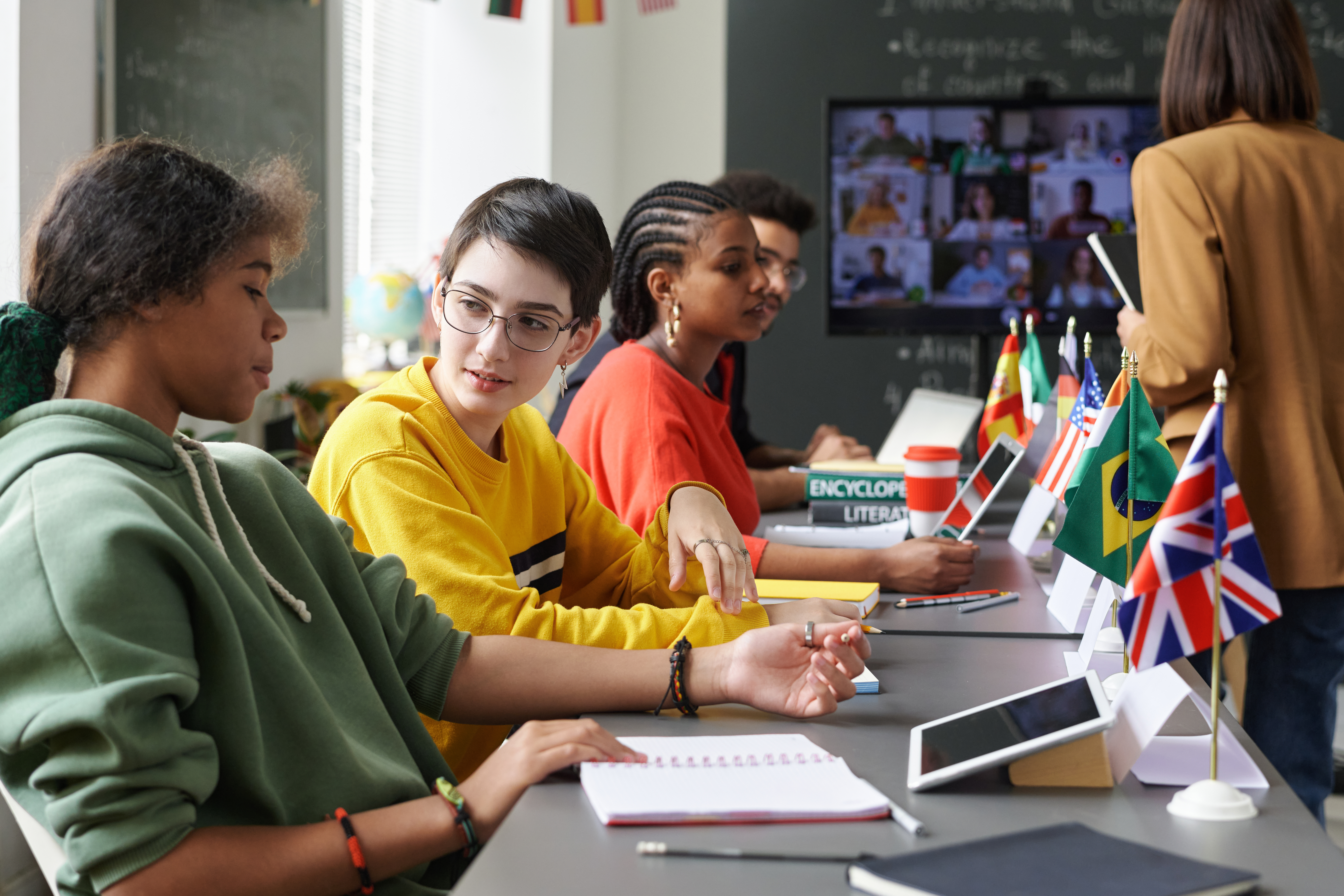
Cultural sensitivity is crucial in fostering an environment where gifted youth can excel. By understanding and respecting diverse cultural backgrounds, coaches can create a supportive atmosphere that encourages emotional intelligence and personal growth.
Importance in Gifted Youth Coaching
Cultural sensitivity plays a vital role in gifted youth coaching. It ensures that the specific needs of gifted teens are met while respecting their unique backgrounds. Gifted youth often experience challenges that stem from being misunderstood or feeling isolated. By integrating cultural sensitivity into coaching, we can help these young individuals feel seen and appreciated.
Real-world examples illustrate the impact of this approach. For instance, coaching that acknowledges a teen’s cultural context often sees more engagement and trust. Teens become more open to discussing their emotions and challenges, which fosters a deeper level of coaching. This approach is not just about solving immediate problems but also about paving the way for long-term personal development.
By embedding cultural understanding in coaching, we achieve several goals: we empower youth, enhance their emotional intelligence, and prepare them for diverse environments. This is a practical step towards creating an inclusive world that values everyone’s contributions equally.
For those interested in effective strategies, this resource offers insightful tips on enhancing the impact of coaching through cultural sensitivity.
Building Emotional Intelligence
Emotional intelligence is key to successful personal and academic development for gifted youth. It involves recognizing and managing one’s own emotions while understanding others’. Cultural sensitivity enriches this process by promoting empathy and respect for different perspectives.
Start with self-awareness. Encourage teens to explore their own cultural identity and how it shapes their emotions and interactions.
Foster empathy by discussing cultural stories or experiences, helping them see the world from various viewpoints.
Teach communication skills that respect cultural nuances, ensuring that youth convey their emotions appropriately.
A case study from a recent publication shows that teens who develop emotional intelligence through culturally sensitive practices report increased self-confidence and better peer relationships.
Incorporating cultural sensitivity within emotional learning programs helps bridge gaps. It not only improves emotional intelligence but also prepares youth for global citizenship, where diversity is the norm rather than the exception.
Pathways to Personal Growth
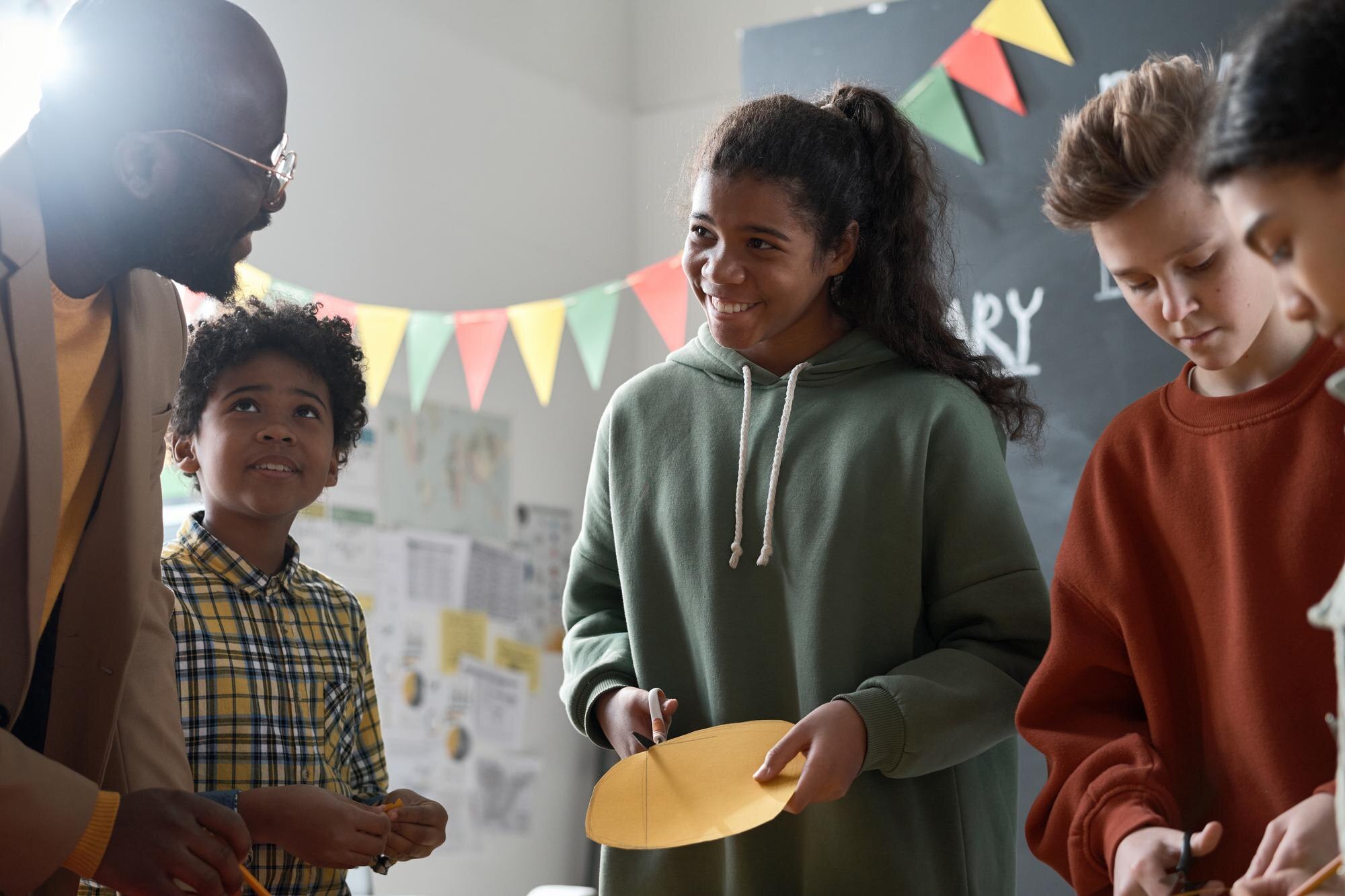
Personal growth for gifted youth is a multifaceted journey. By nurturing emotional resilience and embracing diverse perspectives, we lay the groundwork for their success and happiness.
Developing Emotional Resilience
Emotional resilience is the ability to bounce back from setbacks. For gifted youth, who often face high expectations, this skill is crucial. Cultural sensitivity can enhance resilience by teaching youth to view challenges through multiple lenses.
Recognize that everyone’s experience with adversity is different. What may be stressful for one person might not be for another.
Encourage open dialogue about cultural influences on stress and coping mechanisms.
Provide opportunities for youth to practice resilience through role-playing different scenarios.
An effective approach involves using culturally diverse examples in resilience-building exercises. This not only helps youth relate better but also equips them with strategies to handle stress in a multicultural world.
For more insights on fostering emotional resilience, visit this culturally responsive resource.
Embracing Diverse Perspectives
Embracing diverse perspectives is about seeing the value in different cultural viewpoints. It enriches personal growth by broadening the youth’s understanding of the world.
Consider a classroom setting where students share cultural traditions. This simple act of sharing fosters appreciation and understanding among peers. Such experiences can significantly impact a student’s ability to relate to others.
Diverse perspectives encourage creativity, as varied experiences lead to new ideas.
They promote critical thinking by challenging existing assumptions and inviting new questions.
They enhance communication skills, as understanding diverse viewpoints requires active listening and empathy.
A thoughtful approach to embracing diversity helps gifted youth become adaptable and open-minded. It prepares them for future challenges in a world that thrives on diversity.
Access more strategies for building cultural competence in coaching through this guide.
Practical Strategies for Parents and Educators

Parents and educators play a pivotal role in supporting gifted teens. By understanding their unique needs and challenges, they can create an environment that nurtures growth and emotional wellness.
Supporting Gifted Teens Effectively
Supporting gifted teens requires a balanced approach that respects their intellectual abilities while nurturing their emotional needs. Here are practical strategies for parents and educators:
Active Listening: Create a safe space for teens to express their thoughts and feelings without judgment.
Cultural Integration: Encourage activities that highlight cultural awareness and sensitivity.
Mentorship: Connect teens with mentors who understand their cultural background and emotional needs.
A real-world example involves schools implementing culturally responsive curricula. This approach not only enhances academic performance but also boosts emotional intelligence, as students feel seen and valued.
For more practical ways to support gifted teens, explore this comprehensive resource.
Tools for Overcoming Anxiety
Anxiety is a common challenge among gifted youth, often exacerbated by high expectations and a fear of failure. To help teens manage anxiety, parents and educators can provide effective tools:
Mindfulness Practices: Encourage daily mindfulness exercises to help teens stay present and reduce stress.
Structured Routines: Establish clear routines to provide stability and predictability.
Positive Reinforcement: Celebrate small victories to build confidence and reduce performance pressure.
Case studies show that culturally sensitive approaches to anxiety management lead to higher resilience and better emotional outcomes. By tailoring strategies to fit the teen’s cultural context, we enhance their coping skills and emotional well-being.
For more detailed guidance on overcoming anxiety, consider exploring this valuable resource.

A certified Heal Your Life® Coach with 20+ years in education and emotional development. Supports gifted teens in navigating anxiety, perfectionism, and identity challenges, while equipping parents with practical tools for lasting transformation. Sessions blend emotional healing, mindset mastery, and strategic empowerment.



