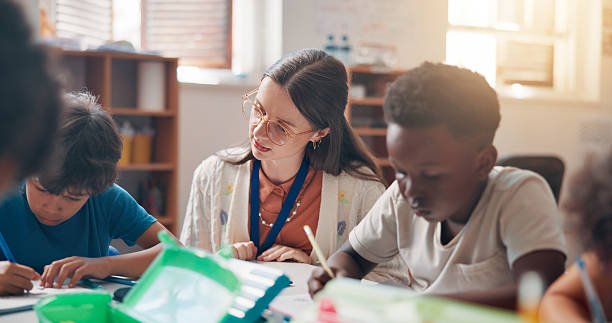
Write, education and teacher helping children in classroom for language development, learning or growth. Notebook, advice and woman educator with kid students for lesson at elementary school.
Empowering Gifted Students: Strategies for Educators to Build Resilience and Confidence
Gifted students often face pressures that can feel overwhelming. They might wrestle with anxiety, perfectionism, or feeling misunderstood. As an educator, your role is crucial in guiding them toward resilience and confidence. This blog post is your toolbox, packed with practical strategies to support their emotional growth. You’ll discover ways to build a nurturing environment that encourages these bright minds to thrive. Ready to make a difference in their lives? Let’s explore the path to empowering gifted education together. Learn more about building resilience in gifted students.
Creating a Supportive Environment
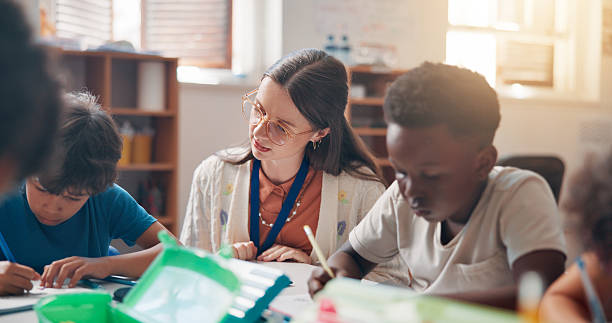
Creating a supportive environment is crucial for the emotional well-being of gifted students. By fostering emotional safety and open communication, educators can help students navigate their unique challenges with confidence. Building such a foundation enables students to express themselves freely and explore their potential without fear of judgment.
Nurturing Emotional Safety
Providing emotional safety means creating a space where students feel secure to express their thoughts and emotions. Emotional safety helps students to engage more actively in learning and personal development.
Establish trust: Begin by building rapport and showing genuine interest in each student’s experiences.
Encourage vulnerability: Share your own experiences and challenges to create a sense of relatability.
Promote inclusivity: Ensure that every student’s voice is heard and respected.
When students feel emotionally safe, they are more likely to take risks, ask questions, and engage deeply with their education. According to the ESC, emotional safety is a cornerstone of effective teaching for gifted students.🌟
Encouraging Open Communication
Open communication fosters trust and understanding between educators and students. It emphasizes the importance of listening and responding with empathy.
Active listening: Show that you value what students have to say by maintaining eye contact and asking follow-up questions.
Feedback loops: Regularly seek input from students about their learning experiences and adjust strategies accordingly.
Peer discussions: Encourage students to share their thoughts and ideas in group settings to build confidence in self-expression.
By prioritizing open communication, educators can help gifted students feel understood and supported in their educational journey. Visit Genie Academy for more insights. 🌟
Strategies for Resilience Building
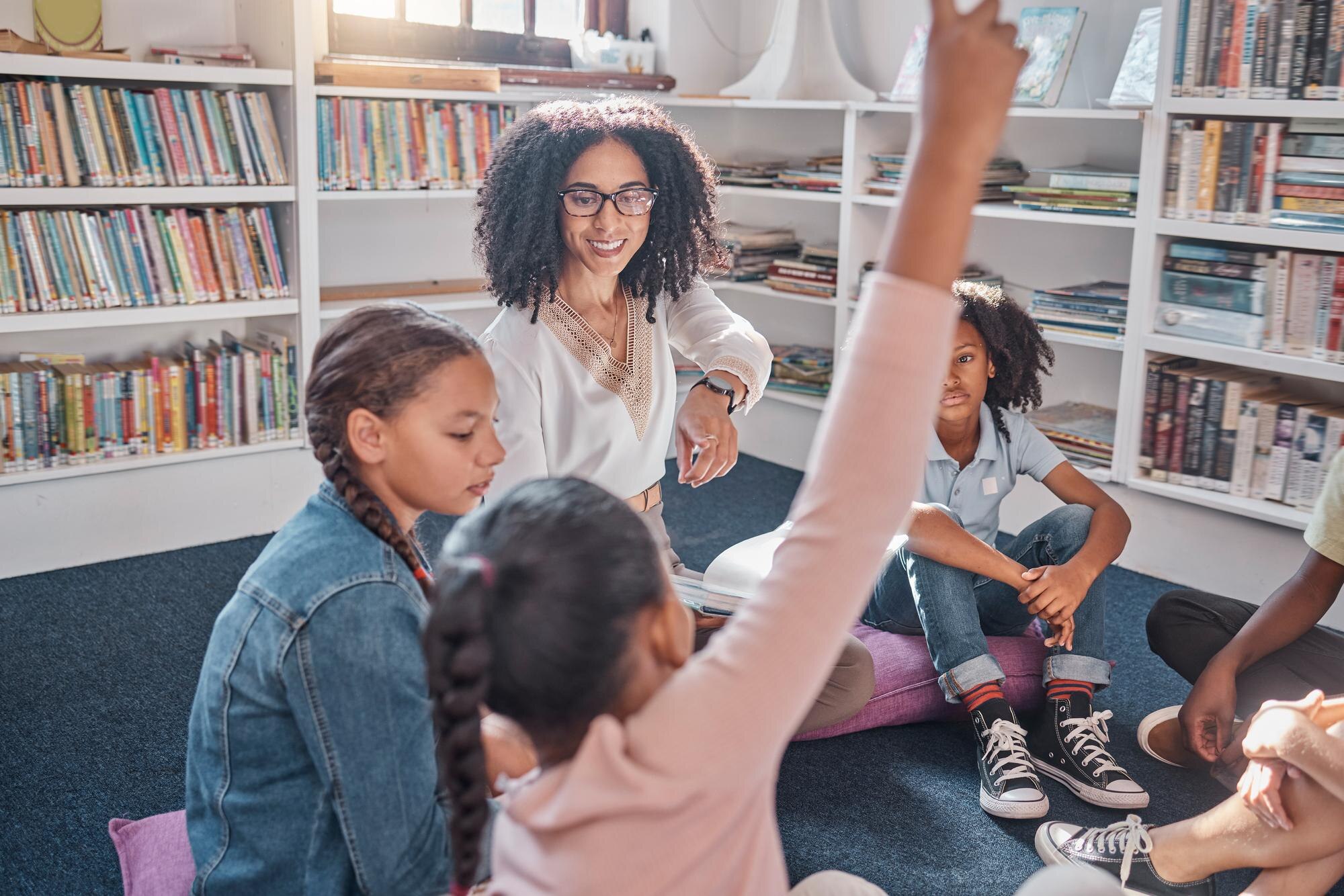
Resilience is a crucial trait for gifted students, helping them cope with challenges and setbacks. Developing a growth mindset and managing perfectionism are two key strategies for strengthening resilience.
Developing Growth Mindsets
A growth mindset encourages students to view challenges as opportunities to learn and grow. It shifts the focus from innate ability to the effort and perseverance required to achieve success.
Teach about neuroplasticity: Explain how the brain can grow and change with practice and effort.
Celebrate effort: Acknowledge hard work and persistence, not just outcomes.
Learn from mistakes: Encourage students to view mistakes as valuable learning experiences.
According to the National Association for Gifted Children, fostering a growth mindset can significantly enhance resilience. 🌟
Coping with Perfectionism
Gifted students often grapple with perfectionism, which can hinder their progress and well-being. Managing these tendencies is essential for building resilience.
Set realistic goals: Help students set achievable goals that don’t require perfection.
Normalize failure: Share stories of successful individuals who have learned from failures.
Encourage self-compassion: Teach students to be kind to themselves during setbacks.
By addressing perfectionism, educators can support students in developing healthier attitudes toward success and failure. Explore more strategies at Psychology Perspective. 🌟
Confidence Building Techniques
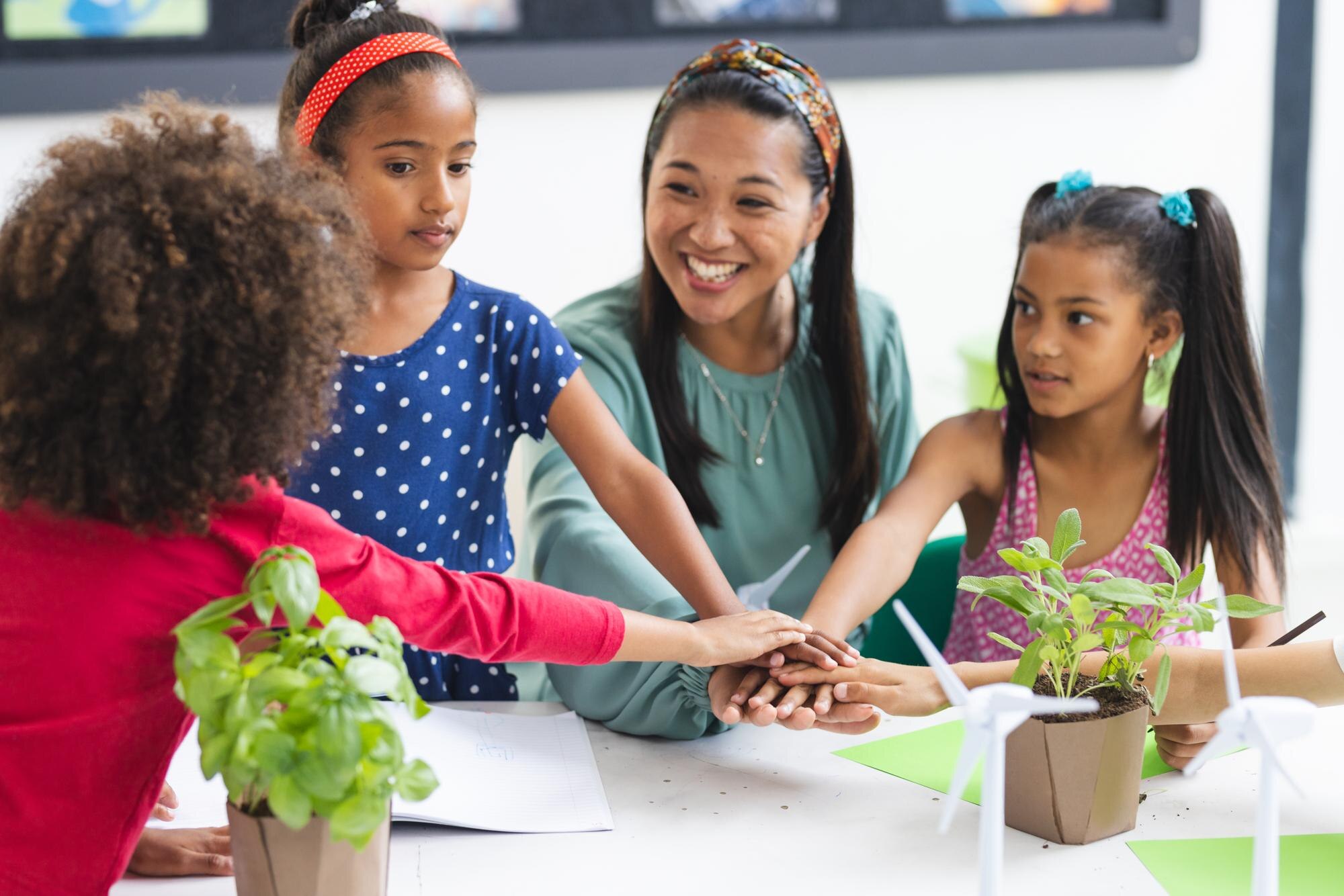
Building confidence in gifted students is vital for their personal and academic growth. By celebrating achievements and fostering self-advocacy, educators can empower students to believe in their abilities.
Celebrating Individual Achievements
Recognizing individual accomplishments can boost student confidence and morale. Celebrations should focus on personal growth and effort, not just outcomes.
Personalized praise: Tailor feedback to individual strengths and efforts.
Highlight progress: Create portfolios that showcase student development over time.
Share success stories: Discuss how other students have overcome challenges and succeeded.
When students see their progress and receive positive reinforcement, they become more confident in their abilities. 🌟
Fostering Self-Advocacy Skills
Self-advocacy empowers students to express their needs and seek resources effectively. Encouraging this skill is crucial for their independence and growth.
Teach communication skills: Provide tools and strategies for effective self-expression.
Role-playing scenarios: Practice real-life situations where students might need to advocate for themselves.
Encourage reflection: Guide students in identifying their strengths and areas for improvement.
By fostering self-advocacy, educators help students navigate their educational paths with confidence and independence. 🌟
Explore our workshops and courses to gain deeper insights into supporting gifted students. 🌟

A certified Heal Your Life® Coach with 20+ years in education and emotional development. Supports gifted teens in navigating anxiety, perfectionism, and identity challenges, while equipping parents with practical tools for lasting transformation. Sessions blend emotional healing, mindset mastery, and strategic empowerment.



