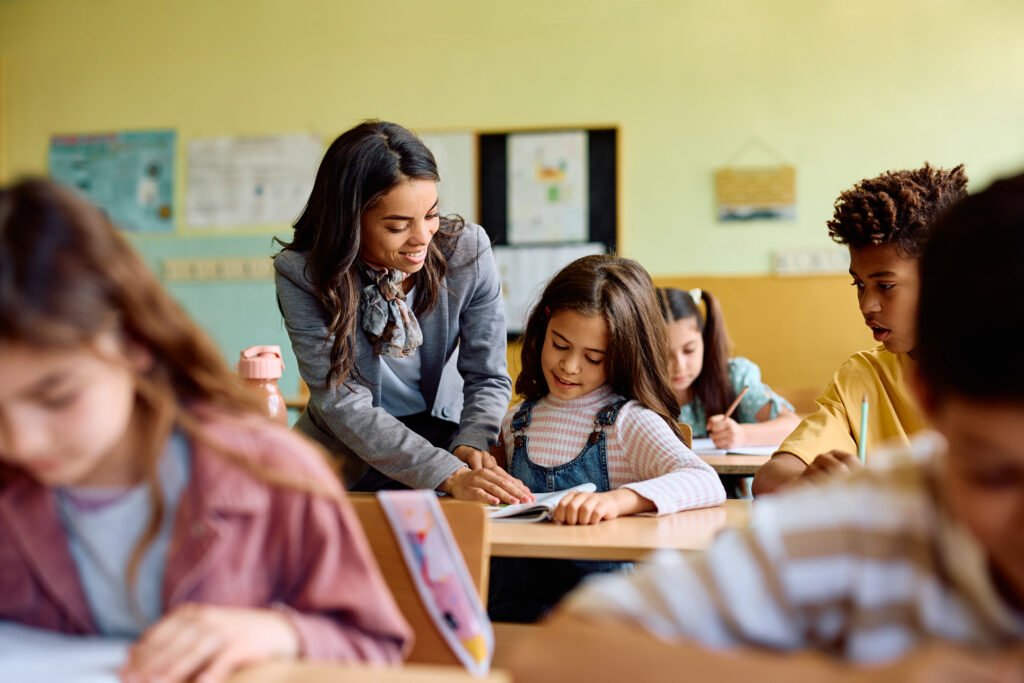
Happy elementary school teacher assisting her student in the classroom.
Empowering Gifted Students: Strategies for Educators to Build Resilience and Confidence
Gifted students often carry the weight of high expectations, yet beneath their impressive abilities, they face unique emotional hurdles. As educators, how do you nurture their inner strength and confidence? Imagine having strategies that not only support their academic prowess but also empower their emotional journey. This guide will reveal practical ways to foster resilience in education, helping you be the mentor they need. Ready to transform your approach and make a lasting impact? Let’s dive into these essential educational strategies. Explore more here.
Understanding Gifted Students’ Emotional Needs
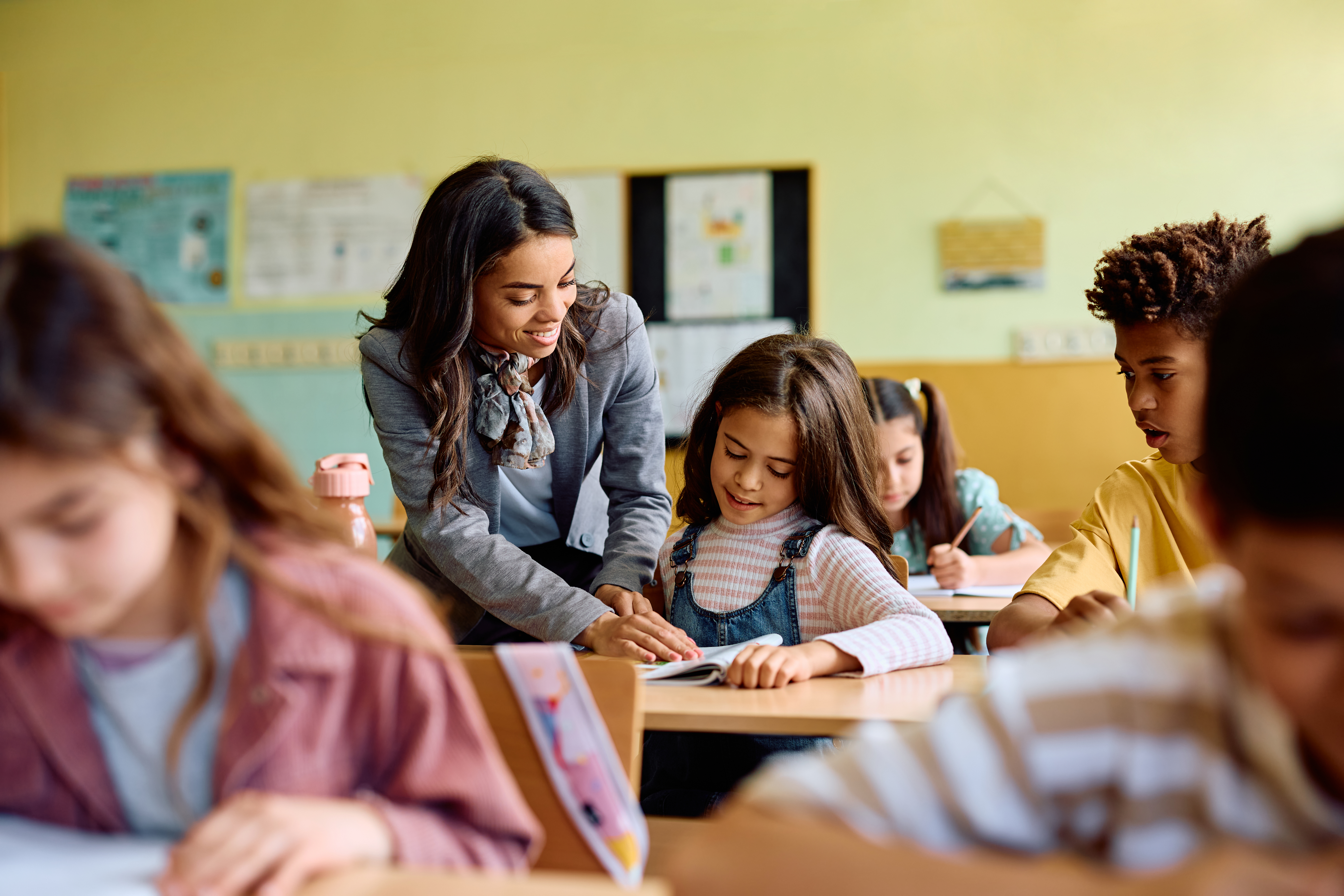
Gifted students often experience emotions intensely and uniquely. Understanding these emotional needs is crucial for fostering a supportive educational environment. This section delves into recognizing their specific challenges and promoting emotional self-awareness.
Recognizing Unique Challenges
Gifted students frequently face emotional challenges that are distinct from their peers. These challenges often stem from a deep sense of perfectionism and high expectations. Educators should be aware of the stress this can cause, impacting both academic and social aspects of a student’s life.
Real-world examples show that gifted youth may struggle with feelings of isolation due to their advanced abilities. They might feel misunderstood or disconnected from their peers. To address these issues, educators can create environments where gifted students feel included and valued.
One effective strategy is to facilitate peer groups where students with similar abilities can interact. This not only provides emotional support but also fosters a sense of belonging. According to the National Association for Gifted Children, recognizing these emotional hurdles is the first step in supporting their personal growth.
Encouraging Emotional Self-Awareness
Encouraging emotional self-awareness in gifted students is essential for their resilience. Emotional self-awareness involves recognizing and understanding one’s own emotions, which can lead to better emotional regulation and increased confidence.
A practical approach involves integrating activities that help students identify and express their feelings. Journaling or reflective writing exercises can be valuable tools in helping students articulate their emotions.
Educators can also incorporate mindfulness practices into the classroom. These practices help students tune into their feelings and reactions, promoting a better understanding of their emotional landscape. Explore more strategies on the Gifted Challenges blog.
By fostering emotional self-awareness, educators can empower students to manage their emotional experiences, ultimately leading to enhanced resilience and confidence.
Educational Strategies for Resilience
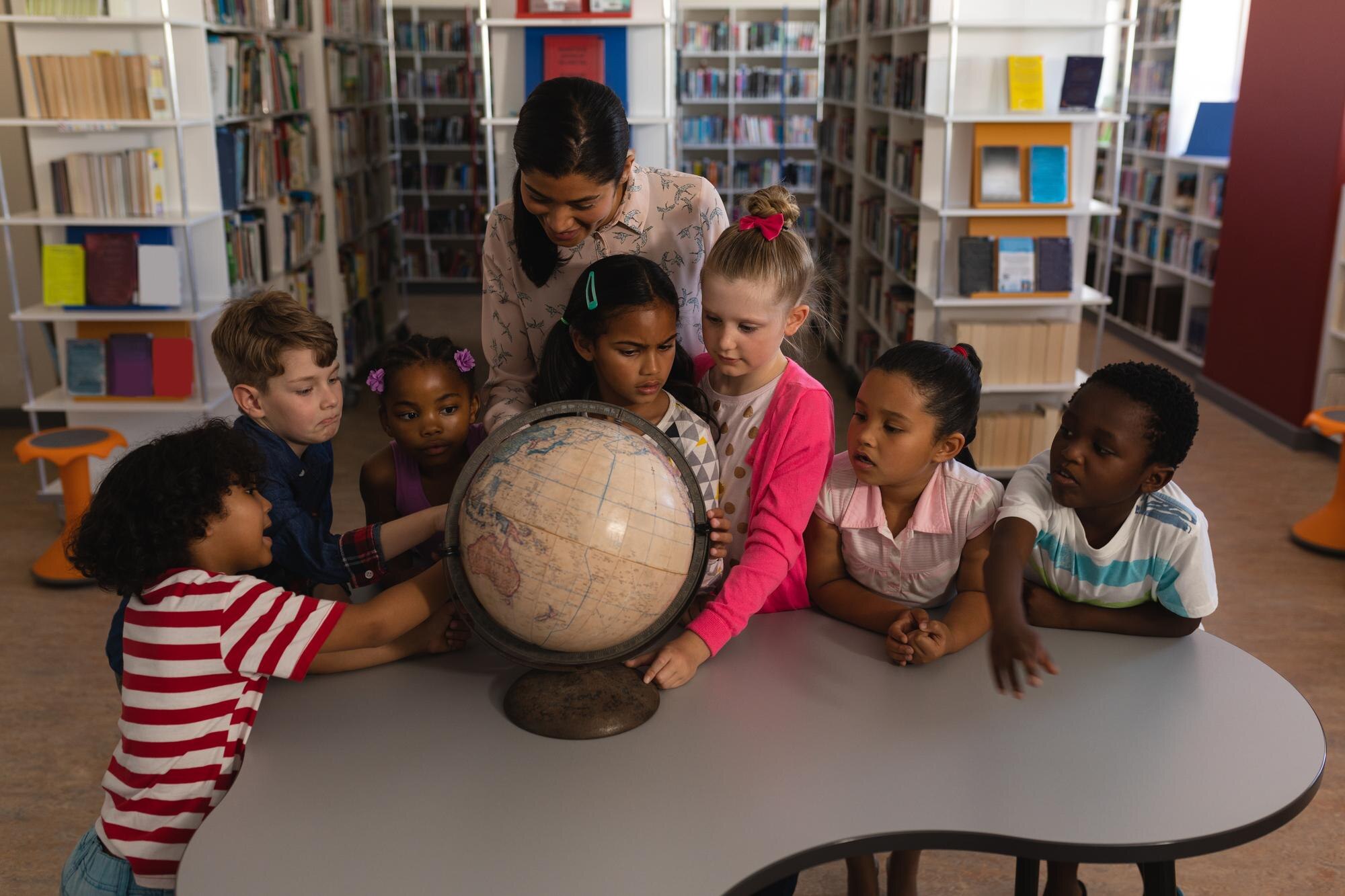
Implementing educational strategies that build resilience is vital in supporting gifted students. This section explores how to create a supportive classroom environment and encourage a growth mindset.
Building a Supportive Classroom Environment
Creating a supportive classroom environment is key to nurturing resilience among gifted students. A supportive environment is one where students feel safe to express themselves and take risks without fear of judgment.
Teachers can establish such an environment by setting clear expectations and fostering open communication. This includes creating opportunities for students to share their thoughts and ideas freely.
Incorporating collaborative projects can also encourage teamwork and mutual respect among students. Ensuring that all voices are heard and valued helps in building a cohesive and supportive classroom culture.
For step-by-step guidance on fostering a supportive classroom, consider the resources offered by Genie Academy.
Promoting Growth Mindset
Promoting a growth mindset is a powerful strategy for building resilience. A growth mindset encourages students to view challenges as opportunities for learning and growth rather than insurmountable obstacles.
Educators can nurture this mindset by praising effort over innate ability. This shift in focus helps students embrace challenges and persist in the face of setbacks.
To promote a growth mindset, teachers can introduce activities that emphasize problem-solving and critical thinking. Encouraging students to reflect on their learning processes can also reinforce this mindset.
By fostering a growth mindset, educators help students build resilience, equipping them to tackle both academic and personal challenges with confidence. For more insights, explore the Psychology Perspective blog.
Confidence Building Techniques

Building confidence in gifted students is crucial for their personal and academic development. This section discusses ways to encourage risk-taking and creativity and the importance of providing meaningful feedback.
Encouraging Risk-Taking and Creativity
Encouraging risk-taking and creativity is vital for confidence building. Risk-taking allows students to step out of their comfort zones and explore new possibilities. Creativity encourages them to think outside the box and develop unique solutions.
Educators can promote these qualities by designing projects that require innovative thinking. Supporting students as they experiment and learn from mistakes is essential in this process.
Real-world examples suggest that when students are encouraged to take creative risks, they develop greater self-confidence and resilience. This approach also cultivates a passion for learning and discovery.
Providing opportunities for students to engage in creative problem-solving tasks can further bolster their confidence. Use these strategies to inspire students to embrace new challenges and grow.
Providing Meaningful Feedback
Providing meaningful feedback is a cornerstone of confidence building. Constructive feedback helps students understand their strengths and areas for improvement, fostering self-assurance.
When delivering feedback, educators should focus on specific behaviors and outcomes. This clarity helps students grasp what they have accomplished and what they can work on.
Feedback should be balanced, highlighting achievements while offering guidance for future efforts. This approach motivates students to keep pushing their boundaries and builds their confidence.
By implementing these feedback techniques, educators can assist gifted students in realizing their full potential. 🌟

A certified Heal Your Life® Coach with 20+ years in education and emotional development. Supports gifted teens in navigating anxiety, perfectionism, and identity challenges, while equipping parents with practical tools for lasting transformation. Sessions blend emotional healing, mindset mastery, and strategic empowerment.