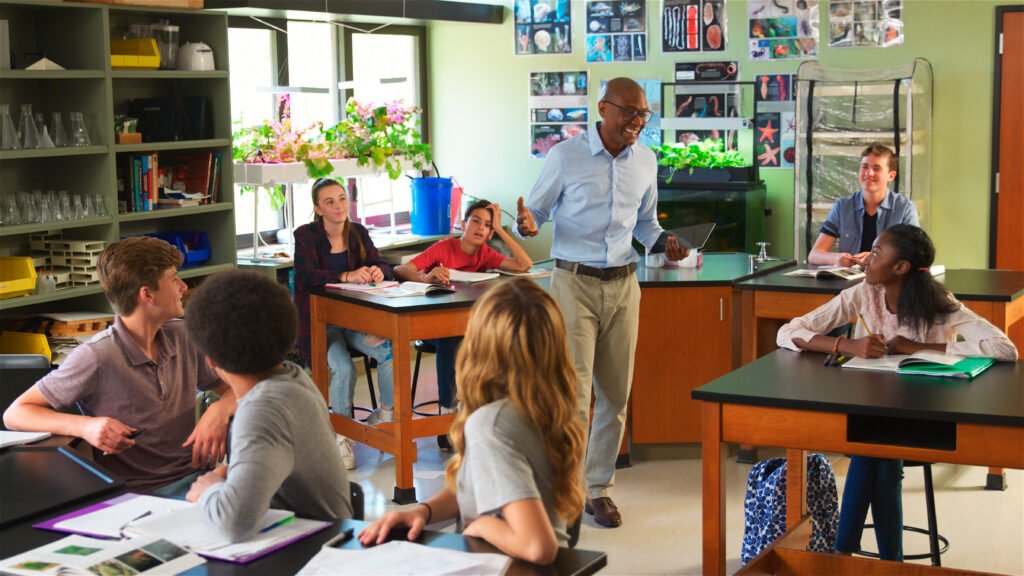
Male High School Tutor Standing And Teaching Students In Biology Class
Empowering Gifted Students: Strategies for Educators to Build Resilience and Confidence
Imagine a classroom where gifted students not only shine academically but thrive emotionally. You know these students have incredible potential, yet they often grapple with unique challenges. It’s time to shift focus from just grades to nurturing resilience and confidence. In this guide, you’ll find practical educational strategies to support gifted youth. You’ll learn how to help them navigate their emotional landscapes, turning anxiety into strength and perfectionism into self-love. Ready to empower the extraordinary? Let’s dive in. For more insights, visit this article on building resilience in gifted students.
Building Emotional Resilience
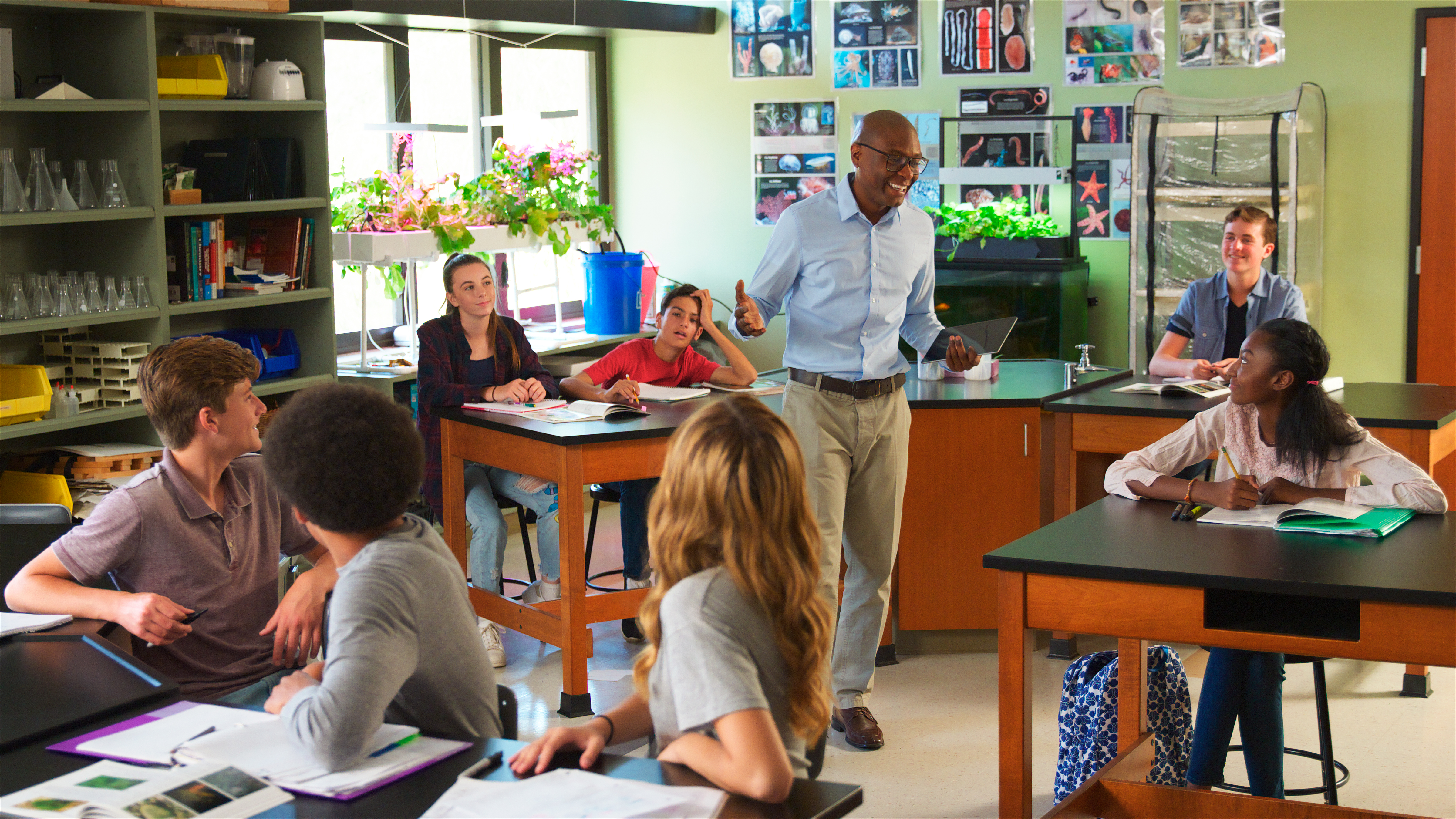
Gifted students often face unique emotional challenges. Building resilience in these students is crucial for their overall well-being. Emotional resilience refers to the ability to adapt to stressful situations and to bounce back from adversity. It is a skill that can be cultivated with the right strategies and support.
Understanding Gifted Students’ Needs
Gifted students often have heightened sensitivity and intense emotions. They might feel deeply misunderstood, leading to anxiety or stress. Recognizing these needs is the first step in helping them build resilience. It’s important for educators to understand that these students may require more emotional support compared to their peers.
It’s essential to address the specific emotional landscapes of gifted students. This includes acknowledging their feelings and providing an environment where they feel safe to express themselves. Educators can read more about this on the National Association for Gifted Children website.
Real-world example: A student who excels in academics might struggle with social interactions. By understanding this, teachers can tailor support strategies that help the student feel comfortable and valued in the classroom.
Strategies for Resilience Building
Building resilience involves teaching students how to manage their emotions and cope with challenges. Here are some effective strategies:
Encourage self-reflection: Help students understand their emotions by journaling or through guided discussions.
Model resilience: Share personal stories of overcoming obstacles to show that setbacks are a part of life.
Provide constructive feedback: Focus on growth over perfection to foster a growth mindset.
Case study: A middle school implemented mindfulness practices in their curriculum. Students reported lower levels of stress and higher resilience. You can explore more effective practices on the Genie Academy blog.
By incorporating these strategies, educators can significantly impact a student’s ability to cope with life’s challenges.
Fostering Confidence in Students
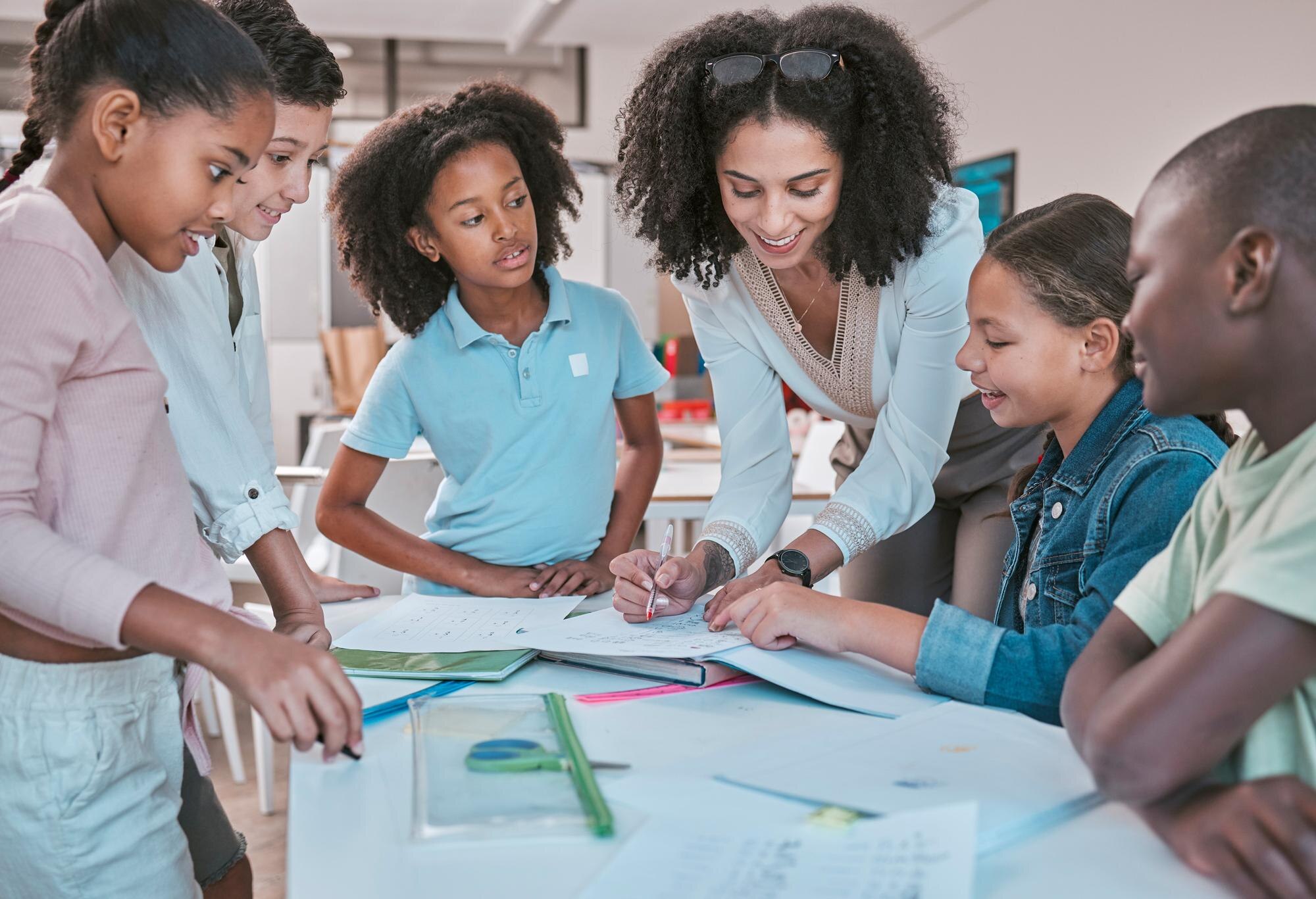
Building confidence in gifted students is not just about recognizing their achievements. It’s about nurturing their self-worth and helping them see their potential beyond academics. This involves creating an environment that supports their emotional growth.
Encouraging Positive Self-Perception
Positive self-perception is crucial for gifted students. They often set high standards for themselves, which can lead to feelings of inadequacy. Encouraging them to see themselves positively is key to building confidence.
Educators can reinforce positive self-perception by celebrating small achievements and encouraging self-compassion. This involves shifting the focus from what they achieve to who they are as individuals. Explore more about fostering positive perceptions at the ESC of Central Ohio.
Real-world example: A teacher regularly acknowledged a student’s kindness and teamwork skills. This helped the student value their intrinsic qualities alongside academic success.
Overcoming Perfectionism
Perfectionism can be a significant barrier for gifted students. They might fear failure, which can hinder their willingness to take risks. Overcoming perfectionism involves teaching students to accept mistakes as part of the learning process.
Educators can help by creating an environment where mistakes are seen as learning opportunities. They can model this by sharing their own experiences with imperfection.
Actionable advice:
Encourage students to set realistic goals.
Teach them to evaluate their efforts, not just outcomes.
Promote the idea that failure is a step toward success.
For more insights on overcoming perfectionism, check out Psychology Perspective’s guide.
Support for Gifted Youth

Supporting gifted youth goes beyond academic success. It involves creating a nurturing environment that addresses their emotional and social needs. This support is vital for their overall development and well-being.
Creating a Safe Learning Environment
A safe learning environment is where students feel respected and valued. It’s a space where they can express themselves without fear of judgment or ridicule.
To create such an environment:
Foster open communication.
Encourage collaboration and peer support.
Implement policies that promote inclusivity and respect.
Case study: A school introduced a mentorship program where gifted students could discuss their feelings and challenges with trusted adults. This initiative significantly improved their emotional well-being.
Tools for Emotional Intelligence Development
Developing emotional intelligence is crucial for gifted students. It helps them understand and manage their emotions, leading to healthier relationships and better decision-making.
Key tools for development include:
Emotional literacy programs: Teach students to identify and articulate their emotions.
Social skills workshops: Offer activities that enhance empathy and communication.
Mindfulness exercises: Encourage practices that promote self-awareness and stress reduction.
Discover more about tools and strategies for emotional development on the ESC of Central Ohio’s website.
By focusing on these areas, educators and parents can help gifted youth thrive emotionally and academically. 🌟

A certified Heal Your Life® Coach with 20+ years in education and emotional development. Supports gifted teens in navigating anxiety, perfectionism, and identity challenges, while equipping parents with practical tools for lasting transformation. Sessions blend emotional healing, mindset mastery, and strategic empowerment.