Empowering Gifted Students: Top Strategies for Educators to Foster Resilience and Confidence
Gifted students face unique challenges that go beyond academic hurdles. Their emotional growth and personal development often take a backseat, leaving educators searching for effective strategies. Imagine a classroom where resilience and confidence bloom as naturally as knowledge. In this post, you’ll uncover practical educator strategies to nurture these vital qualities in gifted students. Get ready to transform your teaching approach and empower your students to thrive both emotionally and academically. Dive into a world where gifted minds are celebrated and supported every step of the way. Explore these insights here.
Building Emotional Resilience

Gifted students often encounter challenges that test their emotional resilience. Educators are in a prime position to help these students cultivate strength and adaptability in the face of adversity. By creating supportive environments and encouraging emotional expression, educators can foster resilience among gifted learners.
Creating a Safe Learning Environment
A safe learning environment is essential for nurturing resilience. Such environments allow students to experiment and learn from their mistakes without fear of judgment.
Establish clear guidelines for respectful communication.
Encourage open dialogue where students feel heard and valued.
Provide constructive feedback that emphasizes growth and learning opportunities.
In addition, educators can incorporate lessons that focus on emotional skills. For example, integrating discussions about empathy and understanding can help students relate to others and themselves more positively.
Real-world examples from Edmentum emphasize the importance of tailoring the classroom environment to suit gifted students’ unique emotional needs. This approach not only supports resilience but also fosters a community of learners who support each other.
Encouraging Emotional Expression
Encouraging emotional expression is another vital component of resilience. Gifted students often experience intense emotions and need avenues to express these feelings constructively.
Art and writing assignments can serve as creative outlets for emotional expression.
Class discussions about personal experiences can foster empathy and understanding among peers.
Journaling can provide a private space for students to explore their emotions.
Educators can also introduce tools like emotion wheels to help students identify and articulate their feelings. By normalizing emotional expression, students learn to process and manage their emotions better.
Case studies show that when students are encouraged to share their feelings, they develop stronger coping skills. Genie Academy suggests integrating emotional learning into daily curriculum to reinforce these skills continually.
Boosting Student Confidence
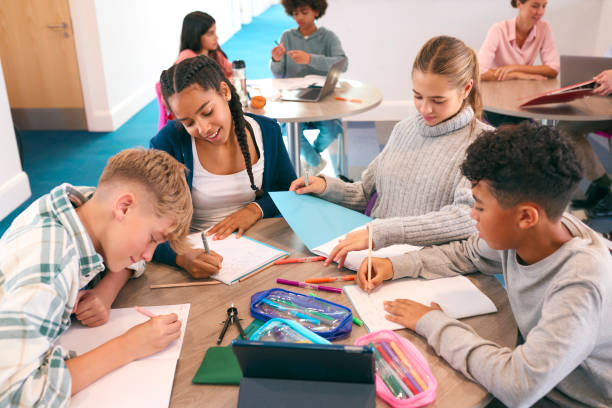
Confidence is crucial for gifted students to excel. Building confidence involves recognizing individual achievements and encouraging reflective practices. These strategies empower students to believe in their abilities and take on new challenges.
Celebrating Individual Achievements
Recognizing and celebrating individual achievements boosts confidence. It reinforces the value of effort and progress.
Highlight personal milestones in class or school newsletters.
Use student portfolios to track and celebrate growth over time.
Organize award ceremonies that recognize diverse talents and skills.
Comparing traditional recognition with personalized celebrations can help identify effective strategies. Personalized approaches often lead to more significant confidence boosts as they focus on individual progress rather than competition.
Insights from ESCCO show the benefits of positive reinforcement in fostering self-esteem among gifted learners. Such practices encourage students to set ambitious goals and strive toward them.
Promoting Self-Reflection
Self-reflection enables students to understand their strengths and areas for improvement. This process is vital for developing self-confidence and a growth mindset.
Introduce reflective journals where students can document their learning journey.
Hold regular reflection sessions to discuss what went well and what could be improved.
Use self-assessment tools to help students evaluate their performance.
Through self-reflection, students gain awareness of their learning processes and achievements. They learn to set realistic goals and celebrate their progress, boosting their confidence.
The ASCD emphasizes that self-reflection encourages metacognition, aiding students in understanding how they learn best. This insight is crucial for personal development.
Practical Educator Strategies
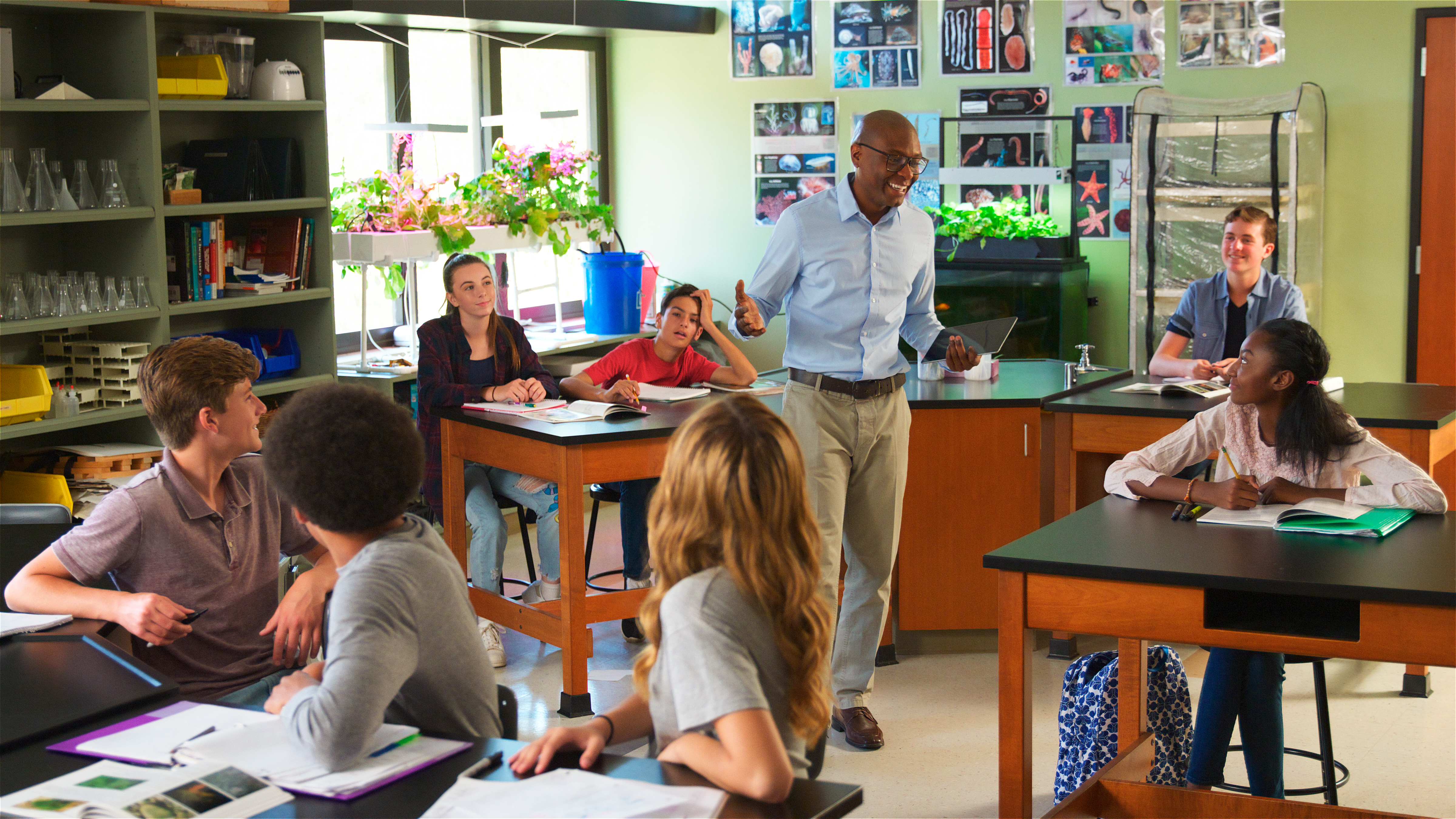
Educators can employ various strategies to support gifted students’ emotional and personal growth. Techniques like mindfulness and peer networking create a supportive learning environment.
Incorporating Mindfulness Practices
Mindfulness practices can significantly impact students’ emotional well-being. These practices help students manage stress and enhance focus.
Start with short mindfulness exercises like deep breathing or guided imagery.
Integrate mindfulness into daily activities to promote consistency.
Encourage students to reflect on how mindfulness affects their emotions and learning.
Mindfulness helps students become more aware of their thoughts and feelings, promoting emotional regulation. Edmentum highlights the positive effects of mindfulness in reducing anxiety and improving concentration.
Establishing Supportive Peer Networks
Supportive peer networks provide students with a sense of belonging and shared understanding. These networks can reduce feelings of isolation and enhance resilience.
Create peer mentoring programs where students can support each other.
Organize group activities that encourage collaboration and communication.
Facilitate regular meetings to discuss challenges and successes.
Peer networks allow students to learn from each other’s experiences, fostering empathy and cooperation. Insights from Genie Academy suggest that when students feel connected, they are more likely to take risks and pursue their interests confidently.
By applying these strategies, educators can effectively support gifted students in their journey toward resilience and confidence. 🌟

A certified Heal Your Life® Coach with 20+ years in education and emotional development. Supports gifted teens in navigating anxiety, perfectionism, and identity challenges, while equipping parents with practical tools for lasting transformation. Sessions blend emotional healing, mindset mastery, and strategic empowerment.