Empowering Gifted Students: Top Strategies for Educators to Foster Resilience and Confidence
Gifted students face unique challenges that can shake their confidence. They often feel the weight of high expectations and struggle with perfectionism. But imagine a world where these bright minds transform pressure into resilience. In this article, you’ll uncover practical strategies that educators can use to nurture both emotional and academic growth in gifted students. Ready to empower them with confidence and resilience? Let’s explore how you can make a lasting impact. Learn more about building resilience in gifted students here.
Building Resilience in Gifted Students

Building resilience in gifted students involves equipping them with the tools to adapt confidently to challenges. This section explores how educators can instill a growth mindset, help students overcome perfectionism, and develop emotional intelligence. Together, these strategies can transform potential stressors into opportunities for growth.
Encouraging a Growth Mindset
A growth mindset is the belief that abilities can be developed through dedication and hard work. It’s essential for gifted students, who might otherwise feel trapped by the pressure of innate expectations.
To foster this mindset, educators can model resilience by sharing their own learning journeys. Discussing personal setbacks and the lessons learned encourages students to see failure as a stepping stone rather than a stumbling block.
Encouraging reflection in students is also important. By asking them to contemplate how they overcame past challenges, students can see how their efforts lead to success. This reflection can be facilitated through journaling or class discussions. Learn more about fostering a growth mindset in gifted students by visiting this resource.
Overcoming Perfectionism
Perfectionism can be a significant barrier for gifted students, leading to anxiety and stress. It’s crucial to help these students understand that mistakes are part of the learning process.
Educators can help by normalizing mistakes in the classroom. This can be achieved by celebrating errors as opportunities for growth and encouraging a culture where students feel safe to take risks without fear of failure.
Real-world examples, where scientists or inventors overcame numerous failures before success, can illustrate the importance of persistence.
Key insights:
Mistakes are natural and valuable.
Encourage experimentation and learning from errors.
Developing Emotional Intelligence
Emotional intelligence involves recognizing, understanding, and managing emotions. For gifted students, this skill is crucial in navigating social and academic pressures.
Educators can support emotional intelligence by teaching students to label their feelings accurately. This practice helps students articulate their experiences and seek appropriate support.
Role-playing scenarios can also be effective. By simulating situations where emotions might run high, students practice responding appropriately, preparing them for real-life interactions.
Recommendations:
Label emotions accurately.
Use role-play to practice emotional responses.
Explore more strategies at this website.
Fostering Confidence in the Classroom

Confidence is the cornerstone of a gifted student’s success. This section delves into celebrating achievements, promoting self-advocacy, and creating a supportive learning environment. Together, these strategies can elevate students’ self-assurance and readiness to tackle challenges.
Celebrating Small Achievements
Recognizing small achievements can boost a gifted student’s confidence significantly. Celebrations don’t always have to be grand; even a simple acknowledgment of progress can make a difference.
Educators can incorporate weekly recognition sessions, where students share their achievements, no matter how small. This practice not only boosts individual confidence but also fosters a supportive classroom community.
Introducing goal-setting exercises can help students track their progress, making achievements more visible and celebrated.
Steps to celebrate:
Acknowledge daily progress.
Host regular sharing sessions.
Encourage goal-setting.
Promoting Self-Advocacy
Teaching gifted students to advocate for themselves is crucial. Self-advocacy empowers them to express their needs and seek resources that support their learning.
Educators can encourage this by providing students with opportunities to express their opinions and preferences in class. This could involve students choosing topics for projects or voicing their learning preferences.
Key practices include:
Encourage expression of personal needs.
Offer choices to foster decision-making skills.
Learn more about these strategies here.
Creating a Safe Learning Environment
A safe learning environment is essential for nurturing confidence. It allows gifted students to explore their potential without fear of judgment.
Creating this environment involves setting clear expectations for behavior and mutual respect among students. This ensures all students feel valued and heard.
Essential elements:
Clear behavior guidelines.
Encourage mutual respect.
For further insights on creating supportive classrooms, visit this link.
Empowering Educators and Parents
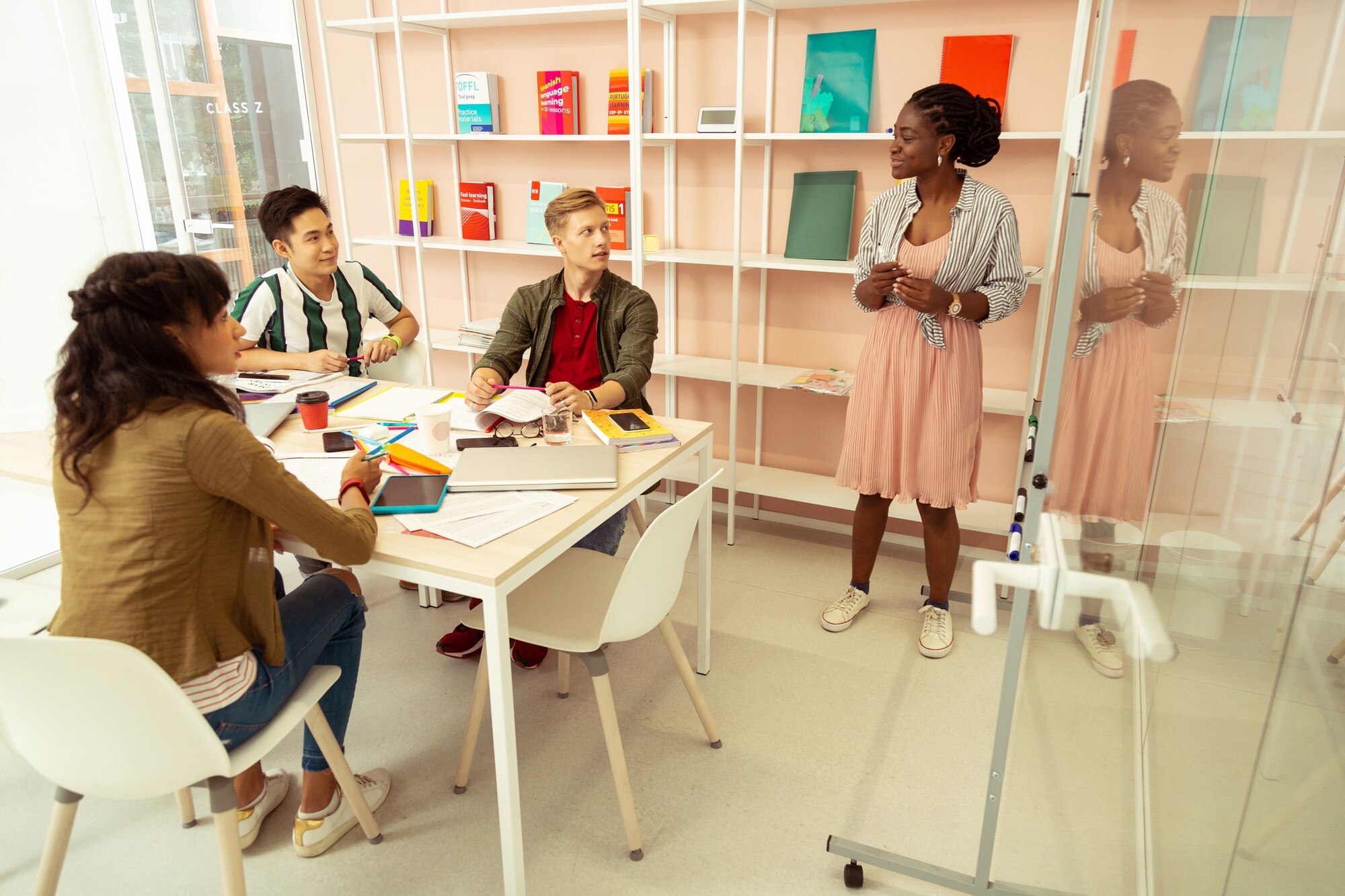
Empowering both educators and parents is vital in supporting gifted students. This section offers collaborative strategies, resources for ongoing support, and the benefits of engaging with VK Creative Circle workshops.
Collaborative Strategies for Success
Collaboration between educators and parents is key to supporting gifted students effectively. By sharing insights and strategies, both parties can create a unified approach to a student’s education.
Regular communication is crucial. Scheduling monthly meetings can ensure that both educators and parents are aligned in their goals and strategies for the student.
Developing a shared action plan can also be beneficial. This plan should outline the roles each party will play in supporting the student’s growth.
Steps:
Schedule regular meetings.
Develop a shared action plan.
Resources for Ongoing Support
Ongoing support is essential for the continuous development of gifted students. Fortunately, numerous resources are available for educators and parents alike.
Online forums and support groups can provide a wealth of shared experiences and advice. Books and articles can also offer valuable insights into gifted education.
Recommendations:
Join online forums.
Read specialized books and articles.
Engaging with VK Creative Circle Workshops
VK Creative Circle offers workshops designed to support educators working with gifted students. These workshops provide practical tools and strategies to foster emotional and academic growth in students.
By participating in these sessions, educators can gain deeper insights into the challenges faced by gifted students and learn how to address them effectively.
Benefits include:
Practical tools for educators.
Strategies for emotional and academic support.
To explore more about VK Creative Circle’s offerings, consider attending their next workshop. 🌟

A certified Heal Your Life® Coach with 20+ years in education and emotional development. Supports gifted teens in navigating anxiety, perfectionism, and identity challenges, while equipping parents with practical tools for lasting transformation. Sessions blend emotional healing, mindset mastery, and strategic empowerment.