Empowering Gifted Students: Top Strategies for Educators to Foster Resilience and Confidence
Gifted students often face a unique set of challenges, and as an educator, you see this every day. Their potential can sometimes mask underlying struggles with resilience and confidence. But imagine if you had the tools to change that narrative, turning potential roadblocks into stepping stones for growth. In this guide, you’ll uncover powerful educator strategies designed to boost emotional well-being and academic success. Ready to empower your students like never before? Let’s dive in. Learn more about building resilience in gifted students here.
Building Emotional Resilience
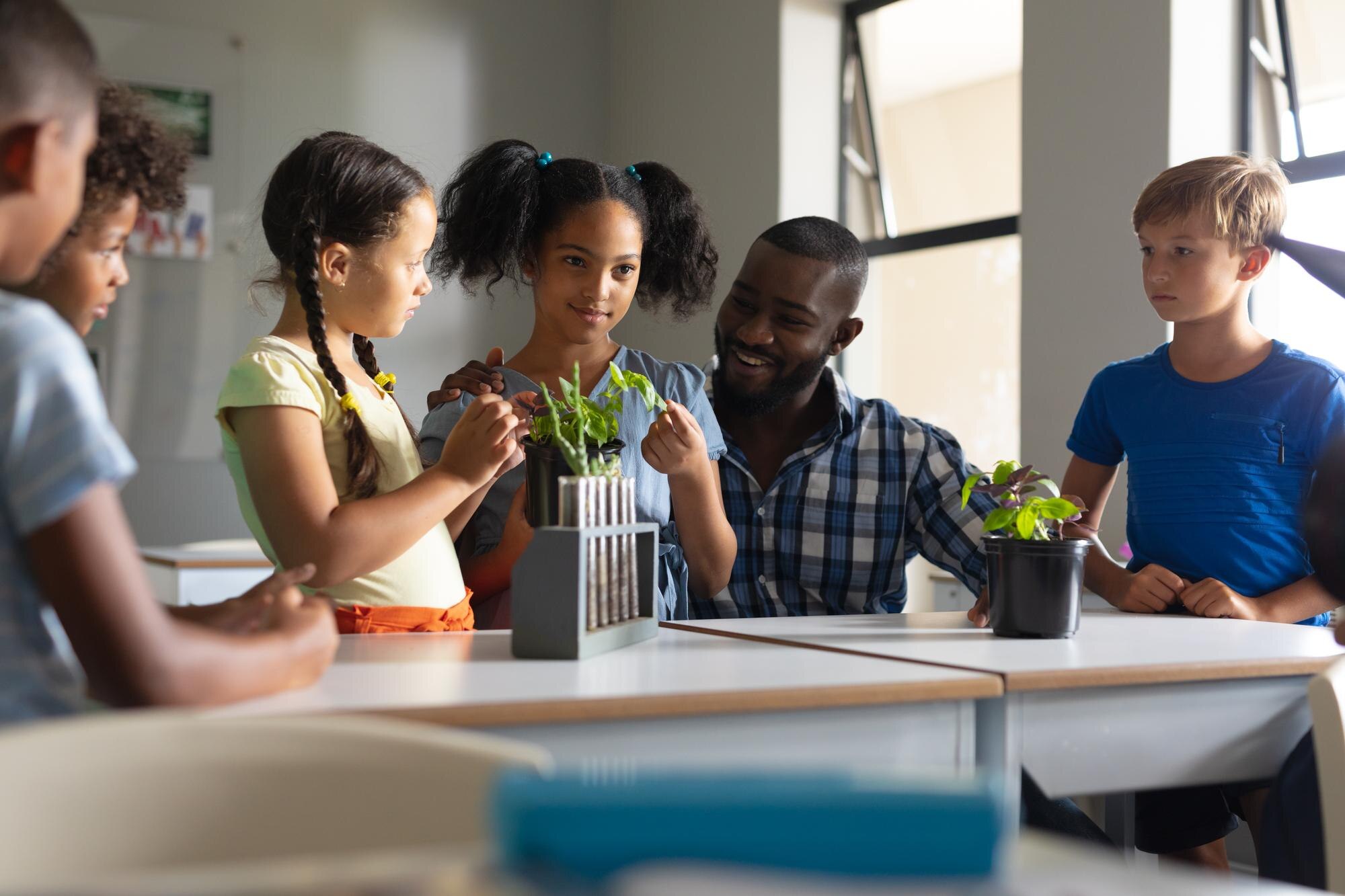
Helping gifted students develop emotional resilience is crucial in navigating their unique challenges. Emotional resilience enables students to bounce back from setbacks, manage stress, and thrive academically and socially. By recognizing the specific hurdles these students face and implementing strategies for emotional support, educators can foster a nurturing environment that encourages self-reflection and growth.
Recognizing Unique Challenges
Gifted students often face distinct challenges that can impact their emotional well-being. These may include heightened sensitivity, perfectionism, and asynchronous development. Understanding these challenges is the first step in supporting their emotional growth.
Heightened Sensitivity: Many gifted students experience emotions more intensely, which can lead to anxiety or stress.
Perfectionism: The desire to achieve perfection can hinder their willingness to take risks or try new things.
Asynchronous Development: This refers to the gap between a student’s intellectual capabilities and emotional maturity, often leading to frustration.
By being aware of these challenges, educators can tailor their approach to meet each student’s needs.
Strategies for Emotional Support
Implementing effective strategies for emotional support can create a positive learning environment for gifted students. Here are some key strategies:
Create Safe Spaces: Establish a classroom atmosphere where students feel safe sharing their thoughts and emotions.
Teach Coping Skills: Equip students with techniques such as deep breathing or mindfulness to manage stress.
Encourage Peer Support: Facilitate group activities that promote collaboration and build social connections.
These strategies can foster resilience and enhance students’ emotional well-being. For more insights, visit this resource.
Encouraging Self-Reflection
Encouraging self-reflection is a powerful tool in developing resilience. When students reflect on their experiences, they gain valuable insights into their emotions and behaviors.
Journaling: Encourage students to keep a journal to explore their thoughts and feelings.
Guided Reflection: Use prompts to help students analyze their responses to various situations.
Feedback Sessions: Regularly meet with students to discuss their progress and reflections.
These practices can help students develop a deeper understanding of themselves and foster emotional growth.
Boosting Student Confidence

Building confidence in gifted students is essential for their overall development. A supportive environment, recognition of achievements, and promoting positive self-talk are key components in boosting student confidence.
Creating a Supportive Environment
A supportive environment can significantly impact a student’s confidence. Teachers can create this environment by:
Building Trust: Establish open communication to make students feel heard and valued.
Providing Encouragement: Offer positive reinforcement and recognition of effort.
Setting Realistic Goals: Help students set achievable goals to experience success.
Such an environment nurtures confidence and allows students to take risks and embrace challenges.
Celebrating Small Wins
Recognizing and celebrating small achievements can have a big impact on a student’s confidence. Here’s how you can do it:
Acknowledge Efforts: Highlight students’ efforts, not just their results.
Share Success Stories: Share examples of others who have succeeded through persistence and hard work.
Create a Recognition Wall: Dedicate a space in the classroom to showcase student accomplishments.
These practices can motivate students and reinforce their self-belief. Explore more strategies here.
Encouraging Positive Self-Talk
Positive self-talk is a powerful tool that can help students build confidence. By teaching them to replace negative thoughts with positive affirmations, educators can foster a healthier mindset.
Model Positive Language: Use affirming language and encourage students to do the same.
Affirmation Exercises: Incorporate activities that promote positive self-talk.
Challenge Negative Thoughts: Teach students to identify and reframe negative thoughts.
These strategies can empower students to believe in their abilities and approach challenges with confidence.
Educator Strategies for Success
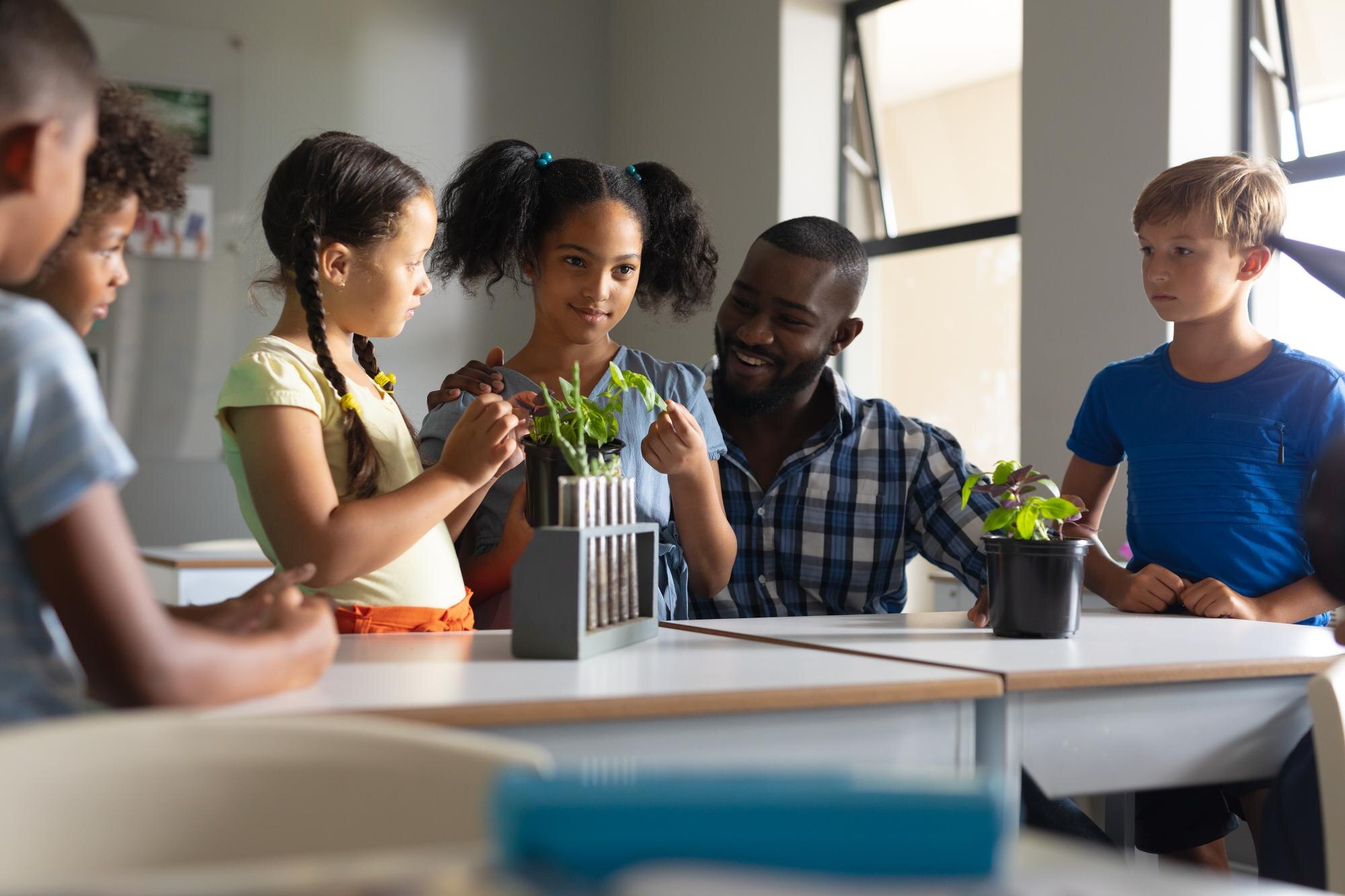
Educators play a crucial role in supporting gifted students. By offering collaborative learning opportunities, personalized learning paths, and continuous feedback, they can enhance students’ educational experiences and personal growth.
Collaborative Learning Opportunities
Collaborative learning can enhance students’ problem-solving skills and boost their confidence. Here’s how educators can promote collaboration:
Group Projects: Assign projects that require students to work together and share ideas.
Peer Tutoring: Encourage students to learn from one another by pairing them as tutors and tutees.
Team-Building Activities: Conduct activities that promote trust and communication among students.
These strategies can foster a sense of community and enhance learning. Learn more about collaborative approaches at this link.
Personalized Learning Paths
Every gifted student has unique needs and learning styles. Offering personalized learning paths can help them reach their full potential.
Differentiated Instruction: Tailor lessons to accommodate different learning paces and preferences.
Individual Goal Setting: Work with students to set personal and academic goals.
Flexible Learning Options: Provide various resources and activities to cater to diverse interests.
Personalized learning empowers students to take charge of their education and fosters independence.
Continuous Feedback and Growth
Providing continuous feedback is essential for student improvement and engagement. Here’s how educators can implement effective feedback practices:
Regular Check-ins: Schedule frequent one-on-one meetings to discuss progress and challenges.
Constructive Criticism: Offer feedback that focuses on improvement and growth.
Celebrate Progress: Recognize and celebrate students’ development over time.
These practices encourage a growth mindset and motivate students to strive for excellence. For more information, check out this article.
👉 Ready to empower your students? Join our webinar and sign up for our newsletter today! 📚✨

A certified Heal Your Life® Coach with 20+ years in education and emotional development. Supports gifted teens in navigating anxiety, perfectionism, and identity challenges, while equipping parents with practical tools for lasting transformation. Sessions blend emotional healing, mindset mastery, and strategic empowerment.