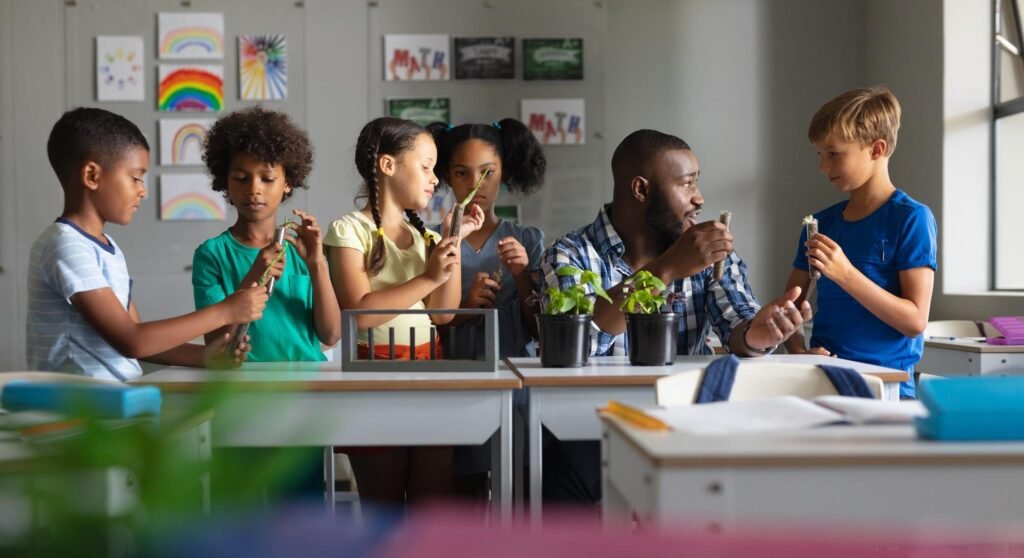
Empowering the Gifted: Top Strategies for Educators to Foster Resilience and Confidence
Gifted students face unique challenges. They often experience intense emotions and pressure to excel. As educators, how can you support them in building resilience and confidence? Imagine giving them the tools to not just survive but thrive emotionally and academically. In this guide, you’ll unlock strategies that foster emotional wellness and personal growth, transforming the way you engage with your gifted learners. Ready to make a difference? Let’s dive into these educator strategies and empower your students for success.
Building Resilience in Gifted Students
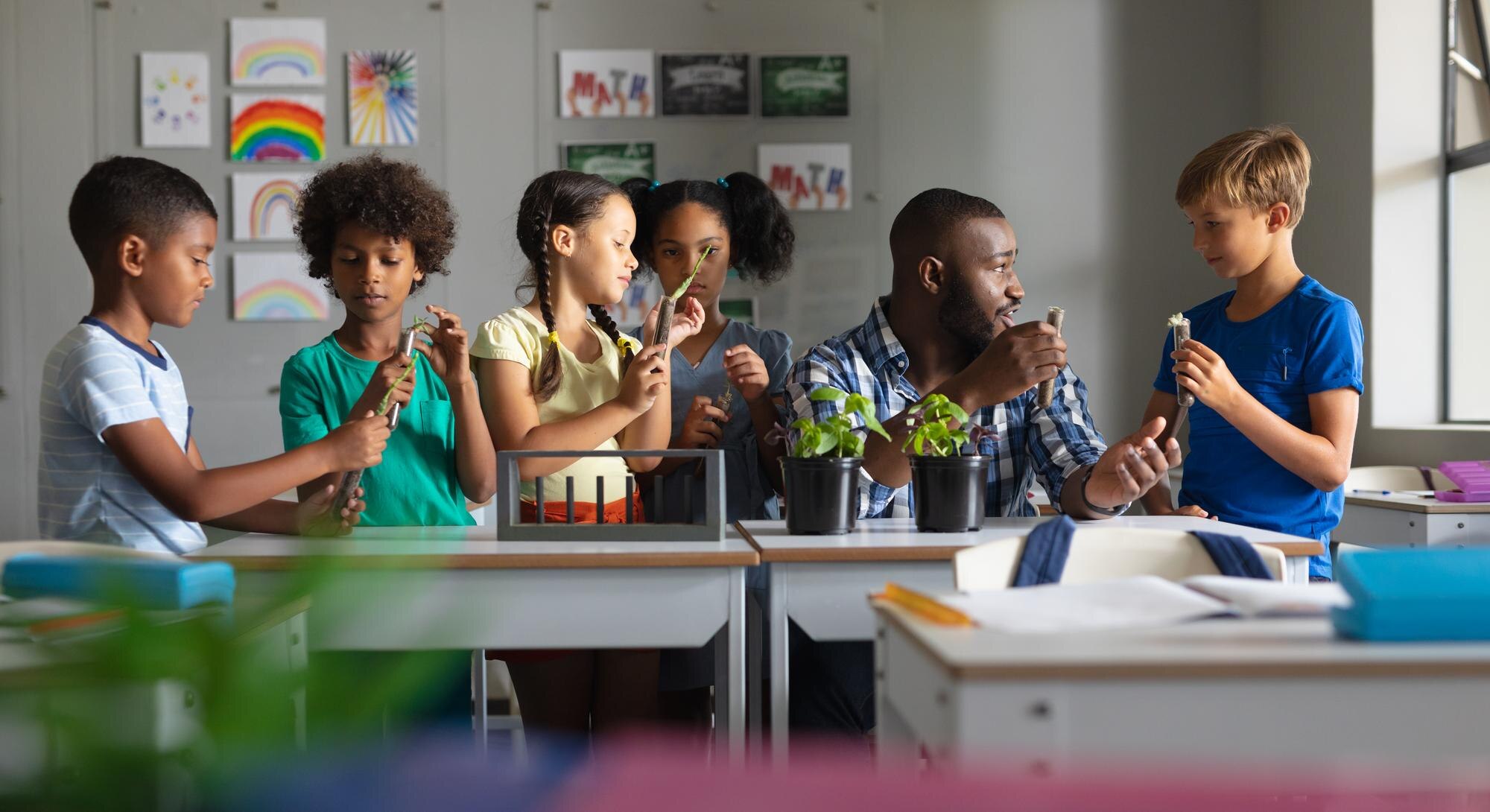
Gifted students often face unique emotional challenges, from high expectations to intense self-criticism. Building resilience is crucial for their emotional and academic success. By focusing on nurturing emotional wellness and encouraging personal growth, educators can provide the foundation these students need to overcome obstacles and thrive.
Nurturing Emotional Wellness
Emotional wellness is the cornerstone of resilience for gifted students. It involves recognizing and managing emotions, which is vital for personal stability. Educators can play a pivotal role by creating environments that validate feelings and promote self-awareness.
Encourage Emotional Expression: Gifted students often internalize their emotions. Providing a safe space for them to express their feelings can reduce anxiety and build trust.
Implement Mindfulness Practices: Mindfulness techniques like deep breathing or meditation can help students regulate emotions and improve focus.
Integrate Emotional Learning: Incorporating emotional wellness programs can help students understand and manage their emotions effectively.
For more detailed strategies, resources like NAGC offer insights into fostering emotional wellness in gifted students.
Encouraging Personal Growth
Personal growth is rooted in self-reflection and the pursuit of challenges. Gifted students benefit from opportunities that stretch their abilities and encourage perseverance.
Create Opportunities for Self-reflection: Encouraging students to reflect on their experiences promotes self-awareness and personal development. Journaling can be an effective tool for this.
Set Challenging Goals: Help students set achievable yet challenging goals. This encourages them to step out of their comfort zones and learn from failures.
Provide Constructive Feedback: Feedback should be specific and focused on effort rather than innate ability, fostering a growth mindset.
Promote a Growth Mindset: According to Gifted Challenges, teaching students that intelligence can develop with effort encourages persistence.
Confidence Building Strategies

Building confidence in gifted students involves creating supportive environments and celebrating their achievements. This empowers students to trust in their abilities and tackle challenges with optimism.
Creating Supportive Environments
A supportive environment enables gifted students to feel secure and valued. This atmosphere is crucial for confidence building.
Foster Inclusive Classroom Culture: Ensure all students feel included and respected, regardless of their abilities.
Encourage Risk-taking: Allow students to take risks without fear of failure. Emphasize learning from mistakes as part of the growth process.
Provide Mentorship Opportunities: Pair students with mentors who can offer guidance and support. For resources, visit ESCCO.
Such environments not only bolster confidence but also promote resilience and independence.
Celebrating Individual Achievements
Recognizing and celebrating achievements, both big and small, can significantly enhance a student’s self-esteem and motivation.
Acknowledge Efforts: Publicly recognize students’ efforts and improvements, not just final achievements.
Showcase Talents: Provide platforms for students to share their work and accomplishments, such as school exhibitions or online portfolios.
Personalized Feedback: Offer personalized feedback that highlights strengths and areas for growth.
Celebrating individual successes fosters a sense of pride and motivation, encouraging students to continue striving for excellence.
Practical Educator Strategies

Practical strategies are essential for educators to effectively support gifted students. By fostering open communication and promoting peer collaboration, educators can enhance both resilience and confidence.
Fostering Open Communication
Open communication between students and educators is vital for building trust and understanding.
Encourage Open Dialogue: Create an open-door policy where students feel comfortable discussing their challenges and successes.
Active Listening: Practice active listening to understand students’ perspectives and respond empathically.
Host Regular Check-ins: Schedule regular meetings to discuss progress and provide support. This approach helps students feel valued and understood.
For more tips, Psychology Perspective offers guidance on fostering effective communication with gifted students.
Promoting Peer Collaboration
Peer collaboration is an effective strategy to enhance learning and build social skills among gifted students.
Group Projects: Organize projects that require teamwork and collaboration, allowing students to learn from one another.
Peer Mentoring: Implement peer mentoring programs where students can support and learn from each other.
Discussion Groups: Facilitate discussion groups on various topics, encouraging diverse perspectives and critical thinking.
Benefits of peer collaboration include improved problem-solving skills, increased social interaction, and enhanced learning outcomes. By promoting these interactions, educators can cultivate an environment that supports both academic and personal growth.

A certified Heal Your Life® Coach with 20+ years in education and emotional development. Supports gifted teens in navigating anxiety, perfectionism, and identity challenges, while equipping parents with practical tools for lasting transformation. Sessions blend emotional healing, mindset mastery, and strategic empowerment.



