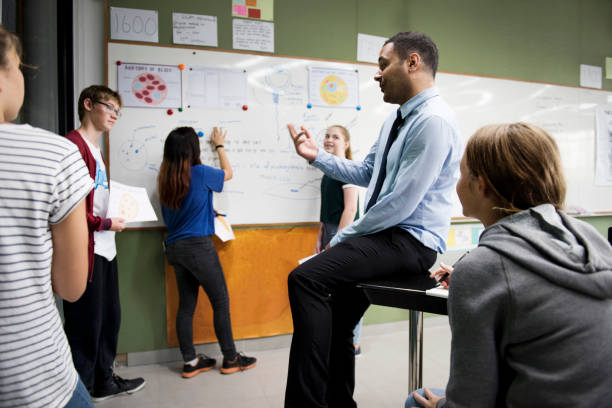
Biology teacher teaching in class with diverse of high school students
Empowering the Gifted: Top Strategies for Educators to Foster Resilience and Confidence
Gifted students often face unique challenges that can weigh heavily on their shoulders. You see their potential, but how do you help them build resilience and confidence without overwhelming them? As an educator, your role is pivotal in guiding these bright minds toward emotional well-being and personal growth. In this post, you’ll uncover practical support strategies to empower your gifted students, fostering an environment where they can thrive. Ready to make an impact? Let’s dive in and explore these transformative strategies together. Learn more about developing resilience in gifted students.
Building Resilience in Gifted Students
Building resilience in gifted students is crucial for their emotional well-being. These students often face high expectations, which can lead to stress and anxiety. By fostering resilience, educators can help students manage challenges effectively, promoting personal growth and emotional strength.
Encouraging Emotional Expression
Gifted students might struggle with expressing their emotions due to heightened sensitivities or fear of judgment. Encouraging emotional expression allows students to process their feelings and reduce stress.
Model emotional openness by sharing your feelings in appropriate ways. This can show students that it’s okay to express emotions.
Create a safe space where students can share their thoughts without fear. This could be a regular class activity or a specific time set aside for open discussion.
Utilize tools such as journals or art projects to help students articulate their emotions creatively.
By supporting emotional expression, educators can aid students in developing healthier coping mechanisms, which is essential for building resilience. For more insights, visit this resource.
Navigating Perfectionism Challenges
Perfectionism is a common trait among gifted students, often leading to stress and burnout. Navigating these challenges involves teaching students to set realistic goals and embrace mistakes as learning opportunities.
Strategies include:
Discuss the value of mistakes by integrating stories of famous failures and successes into the curriculum.
Encourage a growth mindset by praising effort rather than innate talent.
Set incremental goals to help students focus on progress rather than perfection.
Real-world examples, such as athletes or inventors who succeeded through perseverance, can inspire students to value resilience over perfection. Educators can learn more about handling perfectionism by checking this guide.
Boosting Confidence in the Classroom

Boosting confidence is vital for gifted students as it encourages them to take risks and explore new ideas. A confident student is more likely to engage fully and express their unique perspectives.
Creating Safe Learning Environments
A safe learning environment nurtures confidence by ensuring that students feel valued and respected.
Promote inclusivity by ensuring all students’ voices are heard. This can involve diverse group work or peer learning activities.
Address bullying swiftly to maintain a positive atmosphere. Establish clear guidelines and consequences for negative behaviors.
Foster a culture of respect by modeling respectful interactions and encouraging students to do the same.
Creating a supportive environment helps students feel comfortable exploring new ideas and taking intellectual risks. To learn more about creating safe spaces, visit this website.
Celebrating Individual Strengths
Celebrating individual strengths builds confidence by showing students that their unique abilities are valued. Highlighting strengths can be done in several ways:
Personalized feedback recognizes each student’s contributions and progress, emphasizing their specific talents and achievements.
Showcase talents through projects, presentations, or school events where students can shine in their areas of interest.
Peer recognition activities can also bolster confidence by allowing students to appreciate each other’s abilities.
Recognizing individual strengths not only boosts confidence but also fosters a supportive community. For more ideas, explore this blog.
Practical Support Strategies for Educators

Educators play a key role in supporting gifted students. By implementing practical strategies, they can enhance students’ resilience and confidence, fostering a supportive learning environment.
Implementing Mindfulness Practices
Mindfulness practices can help gifted students manage stress and increase focus. Incorporating mindfulness involves simple steps:
Introduce short meditation sessions at the beginning or end of a class to help students center themselves.
Encourage mindful breathing exercises to reduce anxiety and improve concentration.
Promote reflective journaling, allowing students to process their thoughts and emotions.
These practices help students remain present and manage stress effectively, contributing to their emotional well-being. Educators can find further guidance at this website.
Fostering Peer Support Networks
Peer support networks provide gifted students with a sense of belonging and reassurance. They can share experiences and learn from one another in a safe environment.
Create peer mentoring programs where older students guide younger peers, offering advice and support.
Facilitate group activities that encourage teamwork and collaboration, strengthening peer relationships.
Organize regular check-ins to ensure students feel connected and supported by their peers.
These networks can help students feel understood and less isolated, fostering resilience. For more tips on fostering peer support, refer to this educational resource.
🌟📚✨

A certified Heal Your Life® Coach with 20+ years in education and emotional development. Supports gifted teens in navigating anxiety, perfectionism, and identity challenges, while equipping parents with practical tools for lasting transformation. Sessions blend emotional healing, mindset mastery, and strategic empowerment.