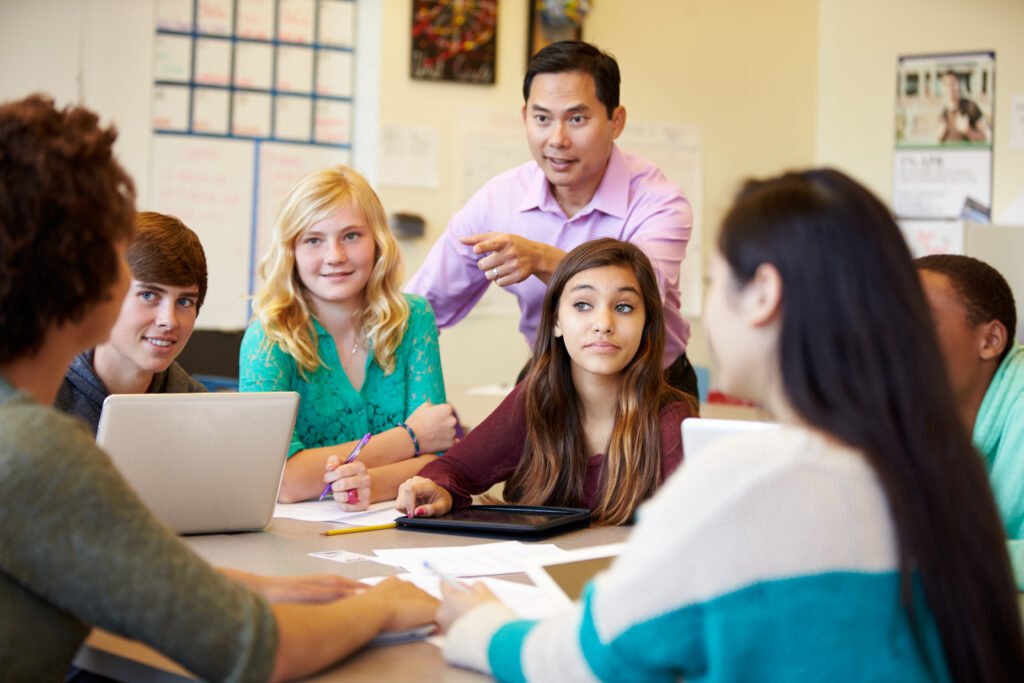
High School Students With Teacher In Class Using Laptops Smiling
Top Strategies Educators Can Use to Foster Resilience and Confidence in Gifted Students
Gifted students often face unique challenges that can leave them feeling isolated or overwhelmed. You’re tasked with nurturing their talents, but how do you also build their resilience and confidence? It’s not just about academic success; it’s about emotional well-being too. In this post, you’ll find actionable educator strategies that help gifted students overcome anxiety and perfectionism, paving the way for personal growth. Ready to transform your classroom into a sanctuary for emotional support and gifted education? Let’s explore these powerful methods together. For more insights, you can visit this resource.
Building Resilience in Gifted Students

Gifted students often experience high levels of stress due to expectations and their own perfectionist tendencies. Building resilience is crucial for their emotional and academic success. This section explores strategies that educators can employ to help these students manage anxiety and promote emotional well-being.
Strategies for Overcoming Anxiety
Understanding anxiety in gifted students is the first step. These students may experience anxiety due to a fear of failure or not meeting expectations. Acknowledging their feelings and providing support can make a significant difference.
Identify Triggers: Work with students to pinpoint situations that trigger anxiety.
Teach Relaxation Techniques: Introduce methods like deep breathing or mindfulness exercises to help manage stress.
Encourage Journaling: Writing can be a therapeutic way for students to express their concerns and feelings.
Real-world example: A teacher implemented a daily “quiet time” in her classroom. Students used this time to practice mindfulness or journal their thoughts, leading to a noticeable decrease in anxiety levels.
For more insights, explore this resource.
Encouraging Emotional Well-being
Emotional well-being is essential for maintaining a balanced life. Gifted students often need help navigating their emotions due to heightened sensitivity and awareness.
Promote Self-care: Encourage regular breaks and activities that the student enjoys.
Foster Peer Connections: Group activities can help build social skills and reduce feelings of isolation.
Provide Emotional Outlets: Whether through art, music, or sports, having a way to express emotions is beneficial.
A case study showed that schools implementing peer mentorship programs saw a rise in student happiness and a decrease in emotional distress. Such programs create a supportive environment where students feel understood and valued.
Learn more about strategies to support emotional well-being here.
Boosting Confidence Through Support

Confidence is built through support and positive reinforcement. Here, we delve into strategies that help create an environment conducive to boosting a gifted student’s self-esteem and confidence.
Creating a Safe Learning Environment
A safe learning environment allows students to take risks without fear of judgment. This encourages exploration and confidence.
Establish Clear Expectations: Let students know what is expected to reduce uncertainty.
Encourage Questions: Create a culture where curiosity is celebrated, not stifled.
Model Mistake-Making: Show that making mistakes is a valuable part of the learning process.
Comparison Table:
Safe Environment Features | Impact on Students |
|---|---|
Clear Expectations | Reduces anxiety |
Encouragement to Ask | Promotes curiosity |
Acceptance of Mistakes | Builds confidence |
For further reading, visit this blog.
Celebrating Small Successes
Celebrating small successes fosters a growth mindset. By acknowledging incremental progress, educators can help students build confidence over time.
Use Positive Feedback: Highlight what students are doing well.
Set Achievable Goals: Break down larger tasks into smaller, manageable steps.
Reflect on Achievements: Encourage students to look back on their progress regularly.
An example of this in practice is a teacher who held weekly celebrations where students shared their achievements, no matter how small. This regular recognition helped build a supportive community focused on growth.
Explore more about creating supportive environments here.
Educator Strategies for Emotional Growth

Educators play a pivotal role in fostering emotional growth in gifted students. This section highlights strategies that promote open communication and positive self-image.
Fostering Open Communication
Open communication is crucial for understanding and supporting students’ emotional needs.
Hold Regular Check-ins: Schedule one-on-one meetings to discuss any concerns or feelings.
Practice Active Listening: Show empathy and understanding when students express themselves.
Encourage Honesty: Create a trusting environment where students feel safe sharing their thoughts.
Data-driven insight: Schools with regular student-teacher check-ins reported a 20% increase in student satisfaction and well-being.
For more details, read this resource.
Developing Positive Self-Image
Developing a positive self-image is vital for resilience and confidence. Gifted students often need affirmation that their worth isn’t solely based on achievements.
Affirm Individual Strengths: Recognize and celebrate unique talents.
Provide Constructive Feedback: Focus on growth and potential rather than shortcomings.
Encourage Reflection: Help students appreciate their progress and strengths.
Real-world example: A school implemented a “Strengths Journal” where students noted daily accomplishments and positive traits, boosting their self-esteem and motivation.
Visit this blog for more on fostering a positive self-image.
🌟

A certified Heal Your Life® Coach with 20+ years in education and emotional development. Supports gifted teens in navigating anxiety, perfectionism, and identity challenges, while equipping parents with practical tools for lasting transformation. Sessions blend emotional healing, mindset mastery, and strategic empowerment.



