
Top Strategies for Educators: Fostering Resilience and Confidence in Gifted Students
Gifted students often face unique emotional challenges that can leave them feeling isolated and overwhelmed. As an educator, you hold the key to helping them navigate these complexities with resilience and confidence. Imagine transforming your classroom into a sanctuary where gifted teens flourish emotionally and mentally. In this blog, you’ll find practical educator tips and resilience strategies designed to support gifted students’ emotional well-being. Get ready to unlock their potential and watch them shine. Explore more about developing resilience in gifted students here.
Building Emotional Resilience

Building emotional resilience in gifted students is crucial for their overall well-being. These students often face unique emotional challenges that require targeted strategies to help them thrive.
Understanding Gifted Students’ Needs
Gifted students often have heightened sensitivities and may struggle with perfectionism and anxiety. Understanding these needs is the first step in providing effective support. They may feel disconnected from their peers due to intellectual differences. Recognizing these feelings is essential.
Gifted students require environments that acknowledge their emotional complexities. Acknowledging these nuances can help educators tailor their approach. Empathy is a powerful tool in understanding their needs.
Creating a dialogue around these needs is beneficial. Encourage students to express their emotions and concerns. This communication fosters trust and facilitates a deeper understanding of their emotional landscape.
Explore more about the unique needs of gifted students here.
Creating a Supportive Environment
A supportive environment is foundational for the emotional growth of gifted students. The classroom should be a safe space where students feel valued and heard. This encourages open communication and emotional expression.
Establishing trust is crucial. Teachers can do this by actively listening and validating students’ feelings. This helps students feel more secure in sharing their thoughts and challenges.
Consider incorporating mindfulness practices. These can provide students with tools to manage stress and anxiety. Encouraging regular reflection can also promote a more positive classroom atmosphere.
Learn more about creating supportive environments for gifted students here.
Practical Resilience Strategies
Practical strategies can make a significant difference in building resilience. Here are some approaches educators can implement:
Encourage Growth Mindset: Help students view challenges as opportunities for learning and growth.
Teach Coping Skills: Provide students with techniques to manage stress, such as deep breathing or journaling.
Model Resilience: Demonstrate how to recover from setbacks through your actions and words.
Real-world examples of resilience can be powerful. Share stories of individuals who have overcome challenges to inspire students. Encourage them to reflect on these narratives and apply similar strategies.
Explore additional resilience strategies here.
Confidence Building Techniques
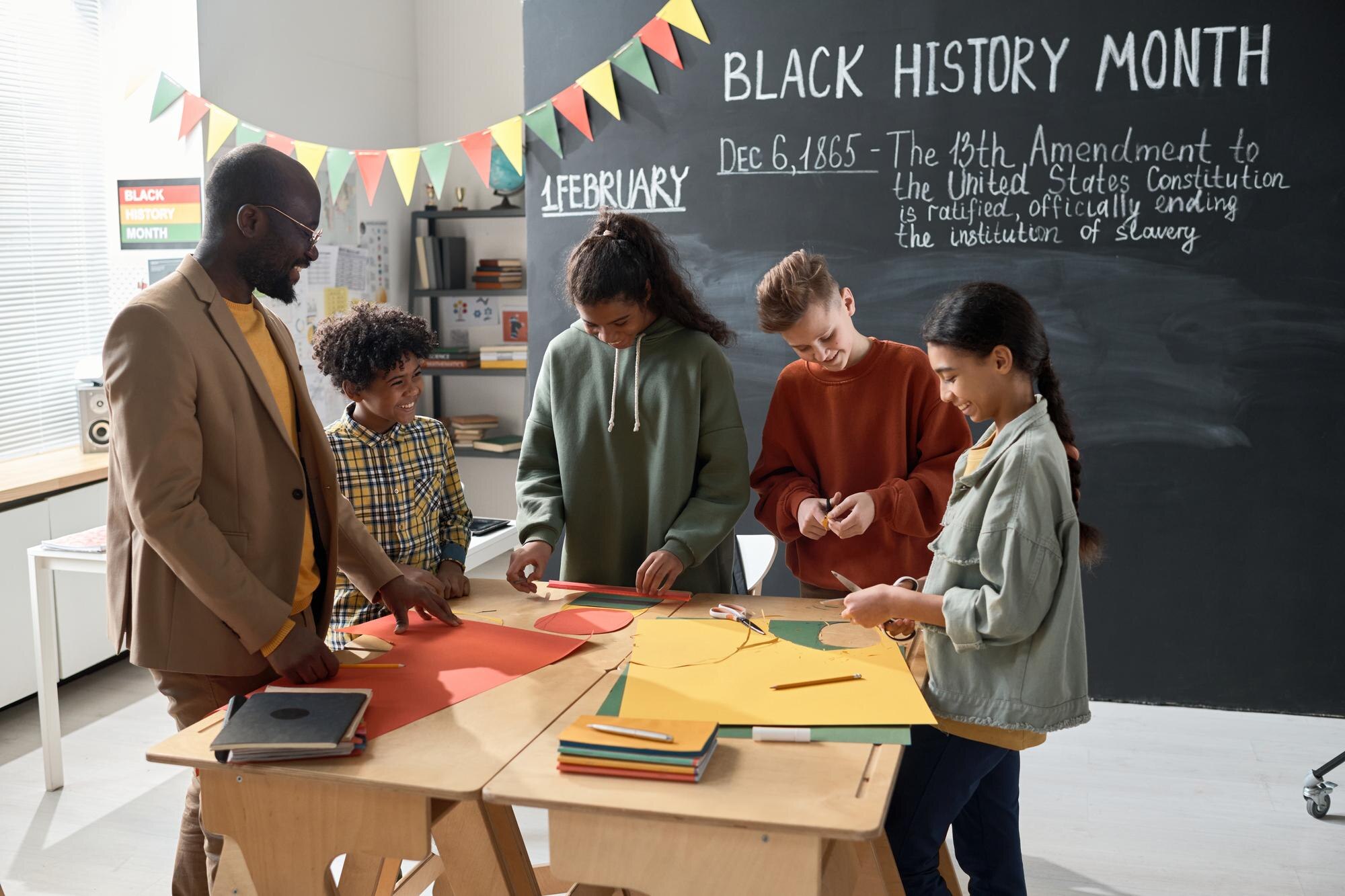
Building confidence in gifted students involves fostering self-awareness and promoting positive self-talk. Strengthening peer connections can also enhance their self-esteem and social skills.
Encouraging Self-Awareness
Self-awareness is the first step to confidence. Help students understand their strengths and weaknesses. This can empower them to set realistic goals and recognize their achievements.
Reflection is key. Encourage students to think about their actions and the impact they have. This can be done through journaling or guided discussions.
Provide feedback that is both constructive and encouraging. Highlight their strengths while offering guidance on areas for improvement. This balanced approach helps build a healthy self-image.
Learn more about fostering self-awareness in gifted students here.
Promoting Positive Self-Talk
Positive self-talk is a powerful tool in building confidence. Encourage students to replace negative thoughts with affirmations. This can help them develop a more optimistic outlook.
Teach students how to challenge negative thoughts. Encourage them to ask if these thoughts are true or helpful. This critical thinking can shift their mindset.
Provide examples of positive affirmations. Encourage students to create their own and use them regularly. This practice can reinforce their self-belief and resilience.
Explore more about promoting positive self-talk here.
Strengthening Peer Connections
Peer connections are vital for social development and confidence. Encourage collaborative projects where students can share ideas and learn from each other.
Group activities can help students build friendships. These can be structured to ensure all students are included and valued.
Facilitate discussions about empathy and understanding. Encourage students to support one another and celebrate each other’s successes. This can foster a supportive community within the classroom.
Learn how to strengthen peer connections for gifted students here.
Tools for Educators
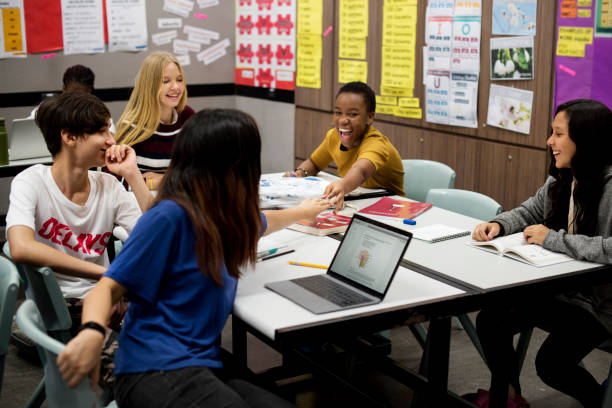
Educators need specific tools to support the emotional and educational needs of gifted students. These tools can empower students and foster personal growth.
Emotional Support Methods
Emotional support is crucial for gifted students. Here are some effective methods:
Active Listening: Show students that their feelings are heard and validated.
Counseling Services: Provide access to professionals who can offer guidance and support.
Peer Support Groups: Create groups where students can share experiences and offer mutual support.
These methods can create a nurturing environment that supports emotional well-being.
Explore more emotional support methods here.
Teaching Gifted Teens Effectively
Effective teaching strategies can enhance the learning experience for gifted teens. Consider the following approaches:
Differentiated Instruction: Tailor lessons to meet the diverse needs of students.
Project-Based Learning: Encourage students to explore topics deeply through hands-on projects.
Self-Directed Learning: Allow students to pursue their interests within the curriculum framework.
These strategies can engage students and promote a love for learning.
Learn more about teaching gifted teens here.
Empowering Growth with Educational Tools
Educational tools can empower gifted students by enhancing their learning experience. Consider incorporating:
Digital Platforms: Use technology to provide interactive and personalized learning experiences.
Creative Resources: Provide materials that encourage creativity and critical thinking.
Feedback Systems: Use regular feedback to guide and motivate students.
These tools can foster an environment of growth and exploration.
Explore more educational tools for gifted students here.

A certified Heal Your Life® Coach with 20+ years in education and emotional development. Supports gifted teens in navigating anxiety, perfectionism, and identity challenges, while equipping parents with practical tools for lasting transformation. Sessions blend emotional healing, mindset mastery, and strategic empowerment.



