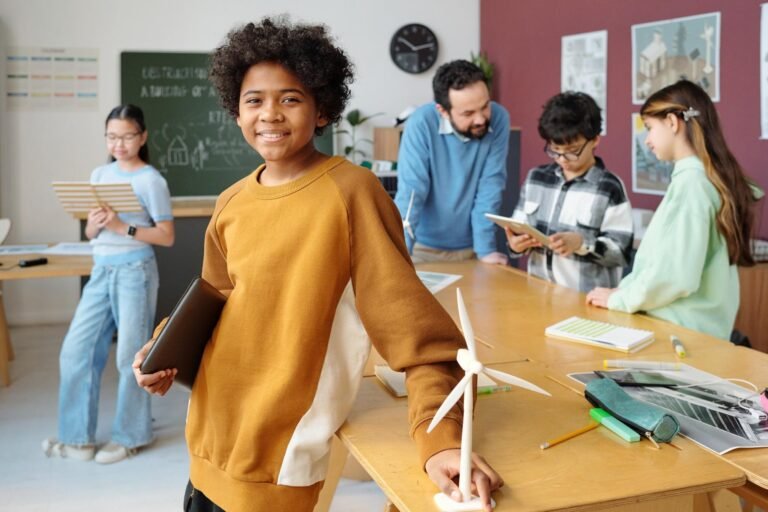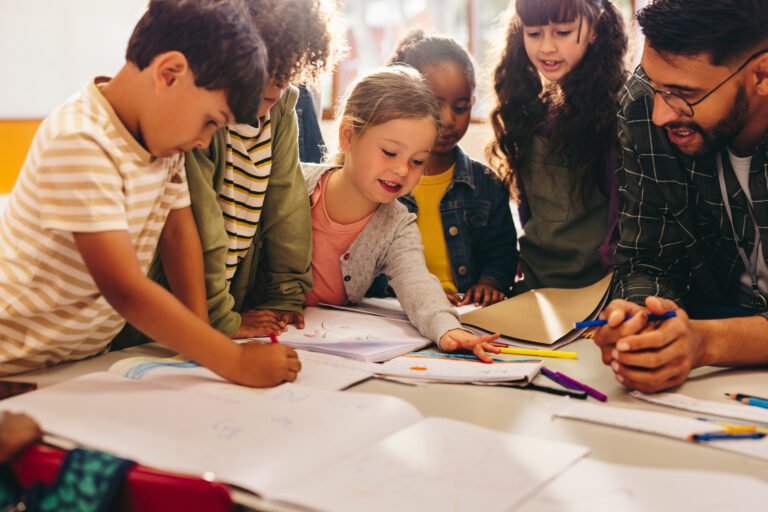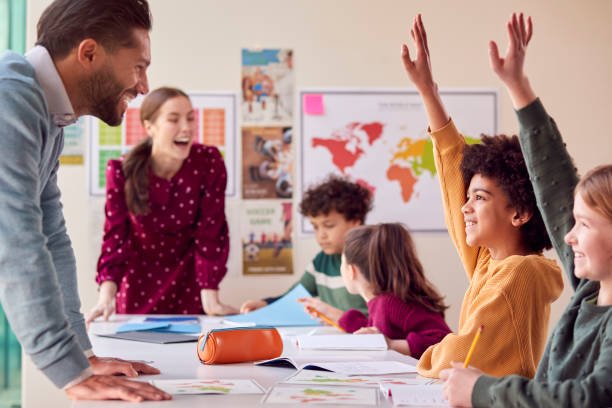
Group Of Multi-Cultural Students With Teachers In Classroom Putting Hand Up To Answer Question
Top Strategies for Educators: Fostering Resilience and Confidence in Gifted Students
You see the spark in your gifted students’ eyes, yet you worry about their hidden struggles. Beneath their brilliance, they face pressures that can dim their light. But what if you could guide them to shine even brighter? Dive into strategies that build resilience and confidence, empowering these young minds to thrive emotionally and personally. You’ll discover how to nurture their strengths and support their growth. Let’s explore ways to transform potential into powerful self-assurance. Learn more about developing resilience in gifted students.
Building Resilience in Gifted Students
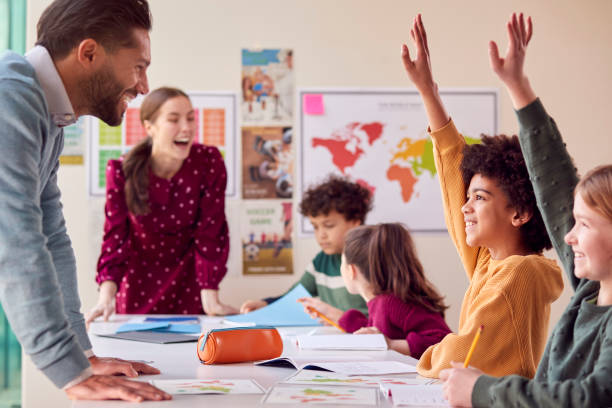
Gifted students often encounter unique challenges that can impact their emotional well-being. Building resilience is crucial for helping them navigate these challenges and thrive in their educational journey. This section explores how educators and families can create environments that support emotional strength, encouraging gifted students to develop resilience.
Creating a Supportive Environment
A supportive environment is vital for nurturing resilience in gifted students. Creating such an environment involves understanding their emotional needs and providing appropriate support.
Open Communication: Encourage students to express their thoughts and feelings openly. This helps them process emotions and build trust with educators and peers.
Safe Spaces: Designate areas where students can relax and regroup, which supports emotional regulation.
Inclusive Activities: Engage students in activities that promote teamwork and empathy, fostering a sense of belonging.
For real-world examples, visit Gifted Challenges to learn more about creating supportive environments.
Encouraging Emotional Intelligence
Emotional intelligence is the ability to recognize and manage emotions. For gifted students, developing this skill is essential.
Conceptual Understanding: Emotional intelligence involves self-awareness, self-regulation, empathy, and social skills. Encouraging these aspects helps students understand their emotions and those of others.
Self-Awareness Practices: Implement reflection exercises to help students identify and articulate their emotions.
Empathy Exercises: Role-playing scenarios can enhance students’ ability to empathize with others.
Social Skill Workshops: Facilitate activities that promote effective communication and collaboration.
Explore more about emotional intelligence with Psychology Perspective.
Confidence Building Strategies
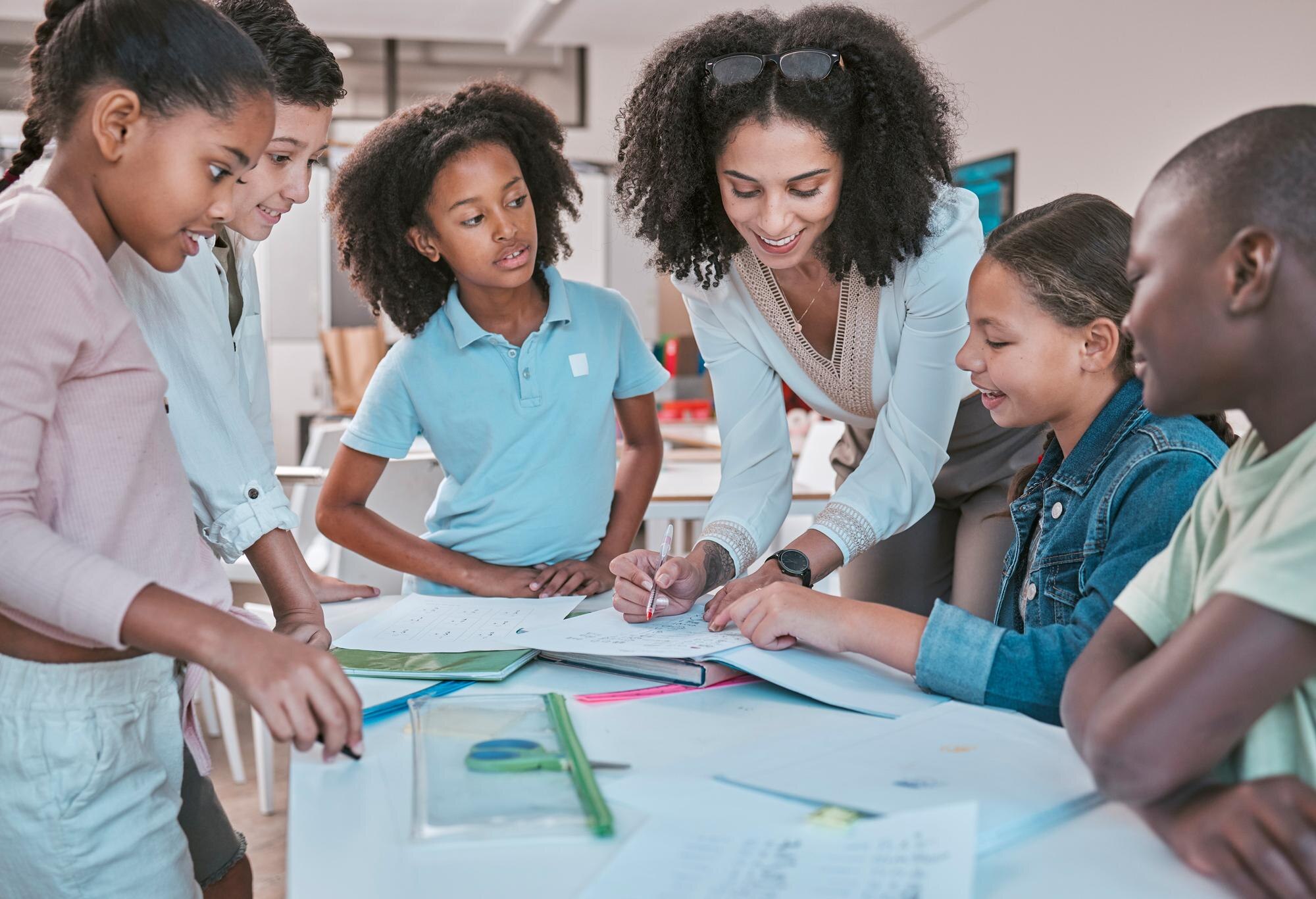
Confidence is a cornerstone of personal and academic success for gifted students. Educators can play a pivotal role in fostering this trait by implementing targeted strategies. This section delves into methods to bolster self-assurance among gifted learners.
Developing Self-Advocacy Skills
Self-advocacy empowers students to speak up for their needs and make informed decisions about their education.
Teach Self-Advocacy Language: Help students learn specific phrases and questions to express their needs.
Role-Playing: Use scenarios to practice self-advocacy in a safe setting.
Reflective Journaling: Encourage students to document their experiences and learn from them.
By focusing on these steps, gifted students can gain the confidence to advocate for themselves in various situations. For more insights, visit Genie Academy.
Promoting Growth Mindset
A growth mindset encourages the belief that abilities can be developed through dedication and hard work.
Definition and Importance: A growth mindset fosters resilience and a love for learning, which is particularly beneficial for gifted students.
Celebrate Effort: Recognize effort over innate ability to encourage perseverance.
Set Realistic Goals: Encourage students to set and achieve challenging yet achievable goals.
Resilience Training: Teach students to view setbacks as opportunities for growth.
For practical strategies on promoting a growth mindset, explore resources at ESCCO.
Empowering Educators and Families
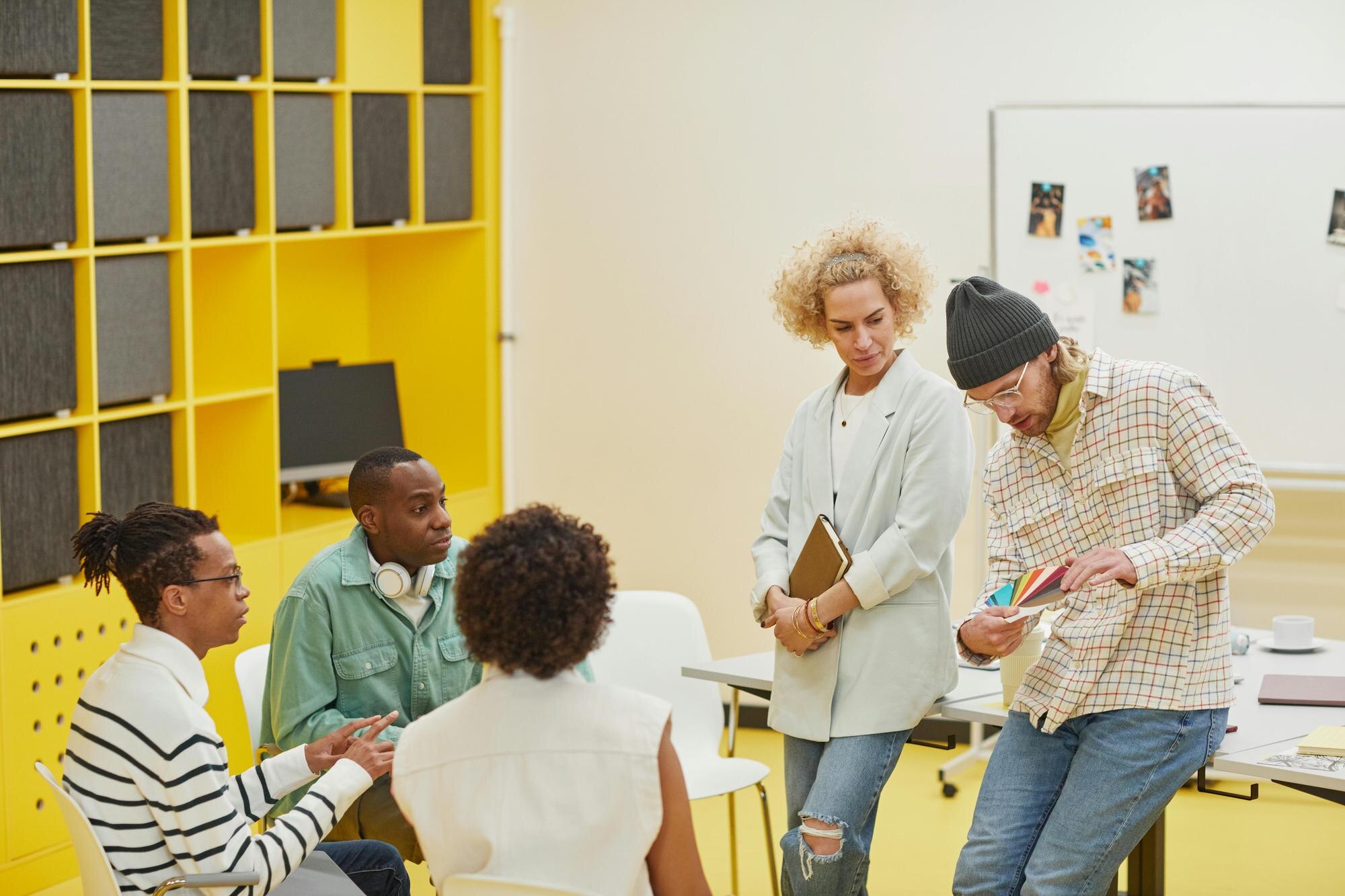
Educators and families are crucial in supporting gifted students’ resilience and confidence. This section provides insights into empowering these key stakeholders with the resources and knowledge necessary to foster students’ growth.
Strengthening Educator Resources
Educators equipped with the right resources can significantly impact gifted students’ emotional and personal development.
Professional Development: Participate in workshops and seminars to stay informed about the latest educational strategies.
Collaborative Networks: Join educator communities to share experiences and strategies.
Resource Libraries: Utilize materials focused on gifted education and emotional intelligence.
Explore comprehensive educator resources at ESCCO.
Supporting Family Involvement
Family involvement is essential in nurturing gifted students’ resilience and confidence.
Key Strategies for Families:
Active Participation: Encourage family members to engage in school activities and meetings.
Open Dialogues: Foster open communication about emotional and educational needs.
Resource Utilization: Provide families with access to educational materials and support networks.
For more guidance on supporting family involvement, visit Psychology Perspective.

A certified Heal Your Life® Coach with 20+ years in education and emotional development. Supports gifted teens in navigating anxiety, perfectionism, and identity challenges, while equipping parents with practical tools for lasting transformation. Sessions blend emotional healing, mindset mastery, and strategic empowerment.