
Top Strategies for Educators: Fostering Resilience and Confidence in Gifted Students
Gifted students often face emotional challenges that can overshadow their high potential. As an educator, you hold the key to nurturing their resilience and confidence. Imagine your classroom as a garden where each gifted mind blooms with the right care. In this post, we’ll explore practical teaching strategies that offer emotional support and foster growth. You’ll learn how to create an environment where these young talents not only excel academically but also thrive emotionally. Ready to make a profound impact? Let’s dive in. Learn more about these strategies here.
Building Emotional Resilience

Emotional resilience is crucial for gifted students to navigate the complexities of their high potential. It involves developing the ability to bounce back from setbacks and challenges, which are common in their academic and personal lives. Let’s explore the emotional challenges these students face and how educators can create a supportive environment.
Understanding Emotional Challenges
Gifted students often encounter unique emotional challenges due to their heightened sensitivity and awareness. These challenges can manifest as anxiety, perfectionism, and isolation. Recognizing these issues is the first step in fostering resilience.
Anxiety is common among gifted individuals, often due to their awareness of global issues or personal expectations.
Perfectionism can lead to stress and burnout, stemming from their desire to meet high standards.
Isolation may result from feeling misunderstood by peers, leading to loneliness.
Educators need to empathize and understand these challenges to provide effective emotional support. More on understanding these challenges.
Creating a Supportive Environment
Creating a supportive environment involves both the physical classroom space and the emotional atmosphere. A nurturing setting can significantly boost a student’s ability to cope with stress.
Physical Space: Arrange the classroom to encourage collaboration and openness.
Emotional Setting: Foster an atmosphere where students feel safe to express themselves without judgment.
A supportive environment also involves providing resources and opportunities for students to discuss their feelings. Encouraging open communication and emotional expression can help students feel more grounded and understood. Explore more strategies here.
Boosting Student Confidence

Confidence is essential for gifted students to realize their full potential. It empowers them to tackle challenges and pursue their passions. Here, we discuss how self-reflection and celebrating achievements can enhance their confidence.
Encouraging Self-Reflection
Self-reflection is a powerful tool for building confidence. It allows students to understand their strengths and areas for growth. Educators can encourage this practice through structured activities.
Journaling: Encourage students to maintain a journal to reflect on their daily experiences and feelings.
Goal Setting: Help students set realistic, achievable goals and reflect on their progress.
Peer Discussions: Facilitate group discussions where students can share insights and learn from each other.
By engaging in self-reflection, students can develop a deeper understanding of themselves, which in turn boosts confidence. Learn more about fostering self-reflection.
Celebrating Small Wins
Celebrating small wins is crucial in building momentum and confidence. Recognizing achievements, no matter how minor, can motivate gifted students to continue striving for success.
Recognize Efforts: Praise students for their hard work, not just the outcomes.
Highlight Progress: Share specific examples of how students have grown over time.
Encourage Peer Recognition: Let students acknowledge and celebrate each other’s successes.
By focusing on small victories, educators can help students appreciate their progress, reinforcing a positive self-image. Discover more about celebrating achievements.
Practical Teaching Strategies
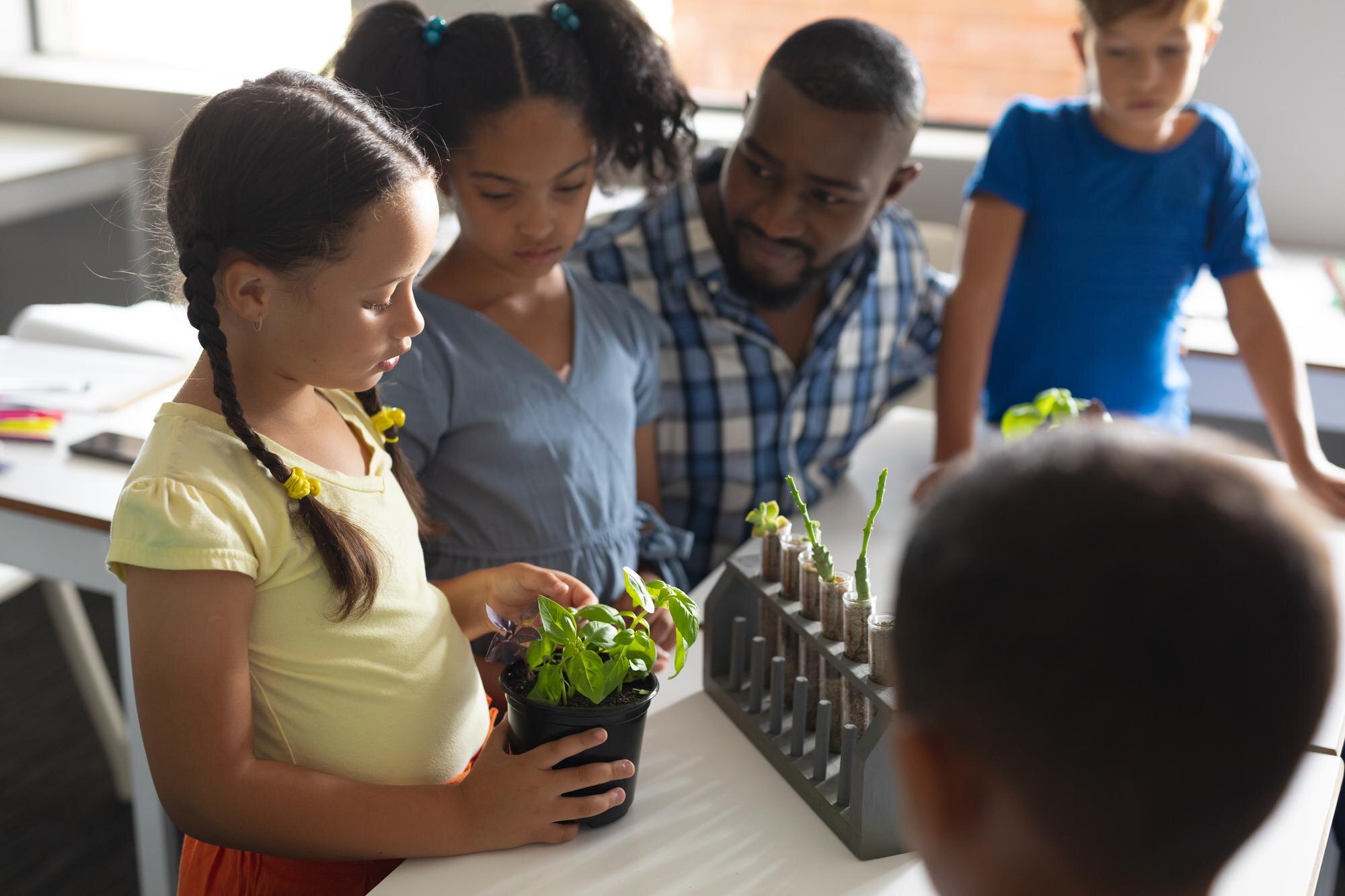
Educators play a pivotal role in nurturing the resilience and confidence of gifted students. Practical teaching strategies can make a significant difference in their emotional and academic development. Two key strategies are fostering a growth mindset and providing individualized support.
Fostering Growth Mindset
A growth mindset encourages students to view challenges as opportunities to learn and grow. This mindset is essential for resilience and confidence.
Modeling: Demonstrate a growth mindset in your teaching practices.
Feedback: Provide constructive feedback that focuses on effort and improvement.
Challenges: Present tasks that are challenging but achievable, encouraging perseverance.
Fostering a growth mindset helps students embrace failure as a part of the learning journey, ultimately building resilience and confidence. More about growth mindset.
Providing Individualized Support
Gifted students benefit from personalized attention that caters to their unique needs and talents. Individualized support can be delivered through tailored instruction and resources.
Differentiated Learning: Adapt lessons to meet diverse learning styles and abilities.
Mentorship: Pair students with mentors who can guide and inspire them.
Resource Availability: Offer access to advanced materials and opportunities for enrichment.
Such support not only addresses academic needs but also contributes to emotional well-being. It empowers students to take control of their learning and growth, boosting both resilience and confidence.

A certified Heal Your Life® Coach with 20+ years in education and emotional development. Supports gifted teens in navigating anxiety, perfectionism, and identity challenges, while equipping parents with practical tools for lasting transformation. Sessions blend emotional healing, mindset mastery, and strategic empowerment.