Top Strategies for Educators: Fostering Resilience and Confidence in Gifted Students
Gifted students often face unique hurdles, and as an educator, you know the pressure they endure. Balancing high expectations with their emotional well-being can be overwhelming. But what if you could equip them with resilience and confidence that lasts? In this blog, we’ll explore practical educator strategies to not only support gifted youth but also empower them to thrive. Get ready to discover tools that foster emotional strength and academic success. Wouldn’t it be incredible to see your students flourish beyond academics? Let’s dive in. Learn more about building resilience in gifted students here.
Understanding Gifted Students
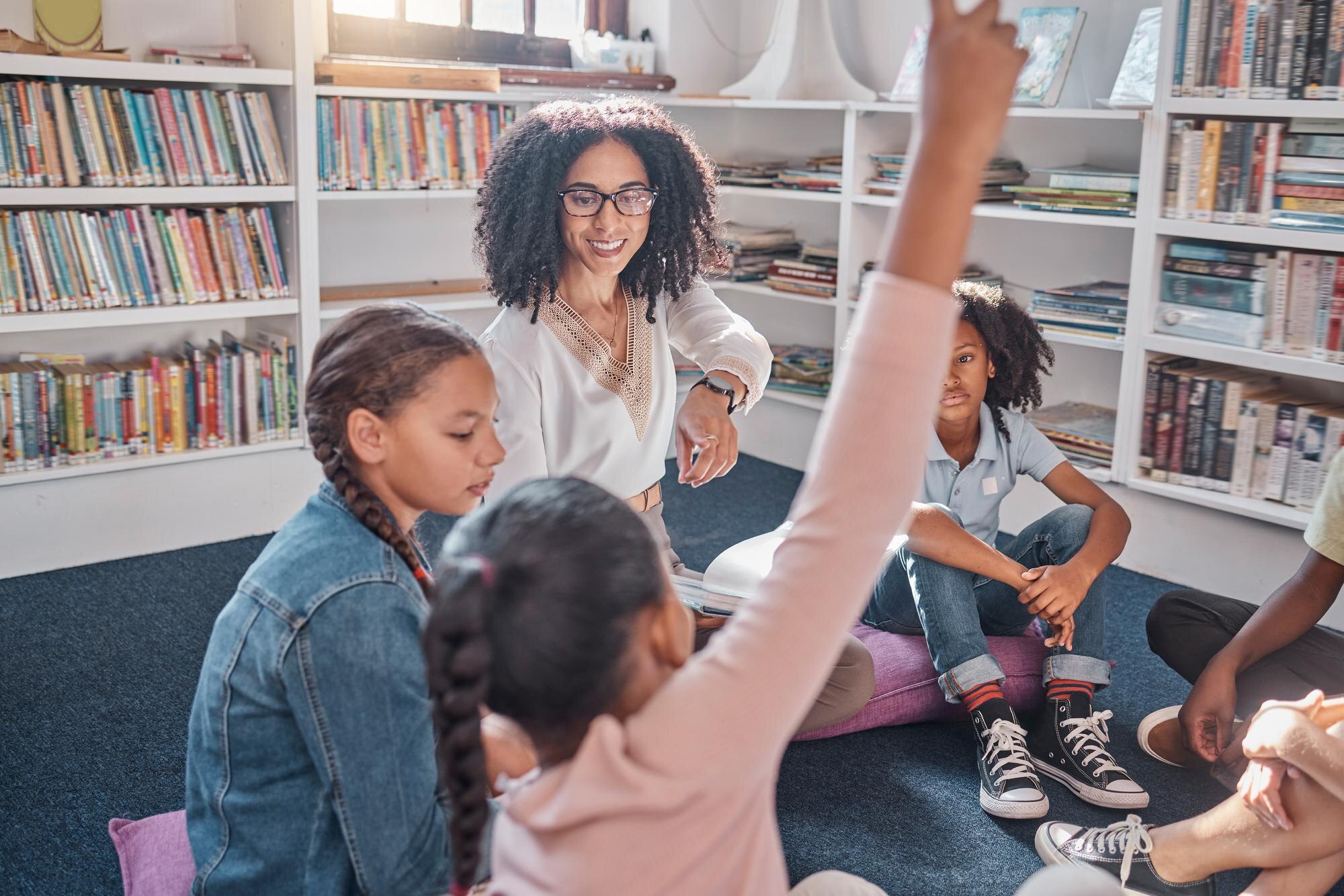
Gifted students present unique opportunities and challenges within the educational environment. Understanding these students is crucial for providing support that meets their emotional and intellectual needs. This section delves into the unique challenges faced by gifted students and how educators can balance expectations with well-being.
Unique Challenges They Face
Gifted students often grapple with expectations that surpass those of their peers. These expectations can come from teachers, parents, or even self-imposed pressures. Perfectionism is a common struggle, leading to anxiety and fear of failure. The social aspect is another hurdle; gifted students might feel isolated or misunderstood by their peers.
Gifted students might also face an asynchronous development, where their intellectual capabilities outpace their emotional maturity. This can cause friction in social interactions and self-perception. Addressing these challenges requires an understanding of the student’s perspective and providing tailored support.
Real-world example: In a classroom setting, a gifted student may excel academically but struggle with social skills, leading to feelings of isolation. Learn more about these challenges here.
Balancing Expectations and Well-being
Balancing expectations with well-being involves a nuanced approach. Educators should set realistic goals, recognizing the unique pace and interests of each student. Communication is key; regular check-ins can help students express their concerns and feelings.
Strategies:
Encourage Self-paced Learning: Allow students to explore subjects deeply at their own pace.
Promote Social Interaction: Facilitate group activities that foster peer relationships.
Incorporate Emotional Learning: Teach emotional intelligence alongside academic subjects.
For gifted students, emotional well-being is as important as academic success. By focusing on both areas, educators can help students thrive. Explore balancing strategies here.
Strategies to Foster Resilience

Fostering resilience in gifted students is crucial for their long-term success and emotional health. This section provides strategies for building emotional strength and encouraging self-reflection, essential components of resilience.
Building Emotional Strength
Emotional strength is the ability to remain positive and handle stress effectively. Gifted students benefit from learning how to manage emotions and respond to challenges with resilience. Educators can model positive coping strategies and encourage students to practice them.
Steps to build emotional strength:
Teach Mindfulness: Encourage practices like meditation to enhance self-awareness.
Foster a Supportive Environment: Create a safe space where students feel comfortable expressing emotions.
Encourage Journaling: Have students write about their experiences and emotions.
Case study: A student struggling with anxiety learns mindfulness techniques, leading to improved focus and reduced stress. These practices can significantly enhance a student’s ability to handle academic pressures. Discover more about building resilience here.
Encouraging Self-Reflection
Self-reflection helps students understand their emotions and thought processes. It allows them to identify strengths and areas for improvement, fostering personal growth. Educators can guide students in reflecting on their experiences through structured activities.
Activities to promote self-reflection:
Reflective Journals: Encourage students to write about their daily experiences and feelings.
Guided Discussions: Facilitate conversations that prompt students to reflect on past actions and outcomes.
Goal-setting Exercises: Help students set realistic goals and reflect on their progress.
These activities help students gain insights into their behavior, promoting emotional intelligence. Learn more about fostering resilience here.
Techniques for Confidence Building

Building confidence in gifted students involves recognizing achievements and fostering a mindset that embraces learning. This section offers techniques to celebrate small wins and encourage a growth mindset.
Celebrating Small Wins
Recognizing and celebrating small achievements boosts confidence and motivation. For gifted students, every accomplishment is a stepping stone to greater success. Educators should acknowledge these moments to reinforce positive behavior and persistence.
Approaches to celebrating wins:
Personalized Acknowledgments: Provide specific feedback on what the student did well.
Classroom Recognition: Use public recognition to celebrate student achievements.
Create Achievement Charts: Visualize progress and milestones.
Real-world example: A student who initially struggled with public speaking receives praise for delivering a well-prepared presentation, boosting their confidence to engage more actively. Celebrating these wins encourages continued effort and resilience.
Encouraging a Growth Mindset
A growth mindset focuses on the belief that abilities can be developed through dedication and hard work. This mindset is crucial for gifted students to embrace challenges and learn from failures. Educators can incorporate growth mindset principles into their teaching.
Key strategies:
Use Positive Language: Emphasize effort rather than innate ability.
Model Growth Mindset: Share personal experiences of overcoming difficulties.
Encourage Problem-solving: Present challenging tasks that promote critical thinking.
Quote: “The expert in anything was once a beginner.” This mindset prepares students to tackle challenges with courage and resilience. Explore more about fostering a growth mindset here.
🌟📚🌈
Sign up for our newsletter for exclusive insights and free resources on supporting gifted students.

A certified Heal Your Life® Coach with 20+ years in education and emotional development. Supports gifted teens in navigating anxiety, perfectionism, and identity challenges, while equipping parents with practical tools for lasting transformation. Sessions blend emotional healing, mindset mastery, and strategic empowerment.