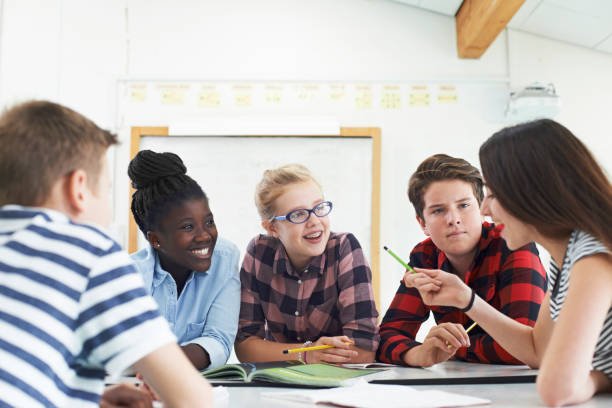
Group Of Teenage Students Collaborating On Project In Classroom
Top Strategies for Educators to Empower Gifted Students: Building Resilience and Confidence
Gifted students often face challenges that others might miss. Their minds race, and emotions swing with intensity. As an educator, you hold the key to unlocking their potential. Imagine guiding them to not only excel academically but also to build resilience and confidence that will serve them for life. This journey involves practical strategies tailored to their unique needs. Ready to make a lasting impact on gifted teens? Let’s explore how you can empower your students with strength and self-assurance. Learn more about building resilience in gifted students.## Understanding Gifted Students

Gifted students come with their own set of unique traits and challenges. It’s crucial for educators to understand these differences to better support and guide them. By recognizing their unique challenges and the emotional intensity they often experience, educators can create a more supportive and effective learning environment.
Recognizing Unique Challenges
Gifted students often face challenges that are not immediately apparent to others. Their advanced abilities can mask underlying issues, leading to misunderstandings about their needs. It’s essential to recognize that these students may experience social isolation, heightened sensitivity, and asynchronous development.
Social Isolation: Gifted students may feel different from their peers, leading to feelings of loneliness. Educators can help by fostering a sense of belonging in the classroom.
Heightened Sensitivity: They often have intense emotional responses. Understanding this can aid in developing supportive strategies.
Asynchronous Development: Their intellectual abilities may not match their emotional maturity. Tailored support can help bridge this gap.
For a deeper understanding, explore teaching gifted students and learn how to address these challenges effectively.
Emotional Intensity and Its Impact
Emotional intensity in gifted students can significantly impact their learning experience. Their emotions can be all-consuming, affecting their focus and engagement in the classroom.
Heightened Emotions: Gifted students often feel emotions intensely, which can be overwhelming for them. This intensity can lead to anxiety or frustration, impacting their academic performance.
Coping Mechanisms: Educators should teach students effective coping strategies to manage their emotions. This could involve mindfulness exercises or journaling.
Supportive Communication: Open lines of communication between students and educators are crucial. Students should feel safe expressing their emotions without fear of judgment.
For more insights on addressing the social-emotional needs of gifted students, visit this resource.
Building Resilience in Gifted Teens

Building resilience in gifted teens is essential for their personal growth. By encouraging a growth mindset and helping them navigate perfectionism, educators can equip these students with the tools they need to face challenges head-on.
Encouraging Growth Mindset
A growth mindset is crucial for gifted students as it promotes a love for learning and resilience. Unlike a fixed mindset, which sees abilities as static, a growth mindset embraces challenges as opportunities.
Emphasize Effort Over Talent: Encourage students to focus on the process of learning rather than the end result. Celebrate effort and persistence.
Normalize Mistakes: Help students understand that mistakes are part of learning. This can alleviate fear of failure.
Encourage Self-reflection: Guide students to reflect on their learning experiences to recognize growth.
To further explore building resilience, check out developing resilience in gifted students.
Navigating Perfectionism
Perfectionism is a common trait among gifted students and can hinder their progress. It’s vital to address this early on to prevent it from becoming a limiting factor.
Set Realistic Goals: Help students set achievable goals and understand that perfection is not always necessary.
Promote Self-compassion: Encourage students to be kind to themselves when things don’t go as planned.
Highlight the Value of Learning: Shift the focus from perfect outcomes to valuable learning experiences.
For practical strategies, consider these classroom strategies for teaching gifted students.
Fostering Confidence through Support

To foster confidence in gifted students, educators must support their emotional intelligence and create a safe learning environment. These strategies will help students feel secure and valued in their academic journey.
Developing Emotional Intelligence
Emotional intelligence is the ability to understand and manage one’s emotions. For gifted students, developing this skill can enhance their well-being and interpersonal relationships.
Teach Emotional Vocabulary: Equip students

A certified Heal Your Life® Coach with 20+ years in education and emotional development. Supports gifted teens in navigating anxiety, perfectionism, and identity challenges, while equipping parents with practical tools for lasting transformation. Sessions blend emotional healing, mindset mastery, and strategic empowerment.



