
Top Strategies for Educators to Empower Gifted Students: Fostering Resilience and Confidence
Gifted students face unique emotional challenges that can sometimes eclipse their academic potential. As an educator, you’ve likely witnessed this firsthand. The struggle for resilience and confidence isn’t just theirs; it impacts your classroom too. Imagine having a toolbox filled with practical strategies to nurture both their emotional and personal growth. In this guide, you’ll uncover ways to support these incredible young minds, turning their potential into reality. Ready to empower your gifted students? Let’s dive in together.
Building Emotional Resilience
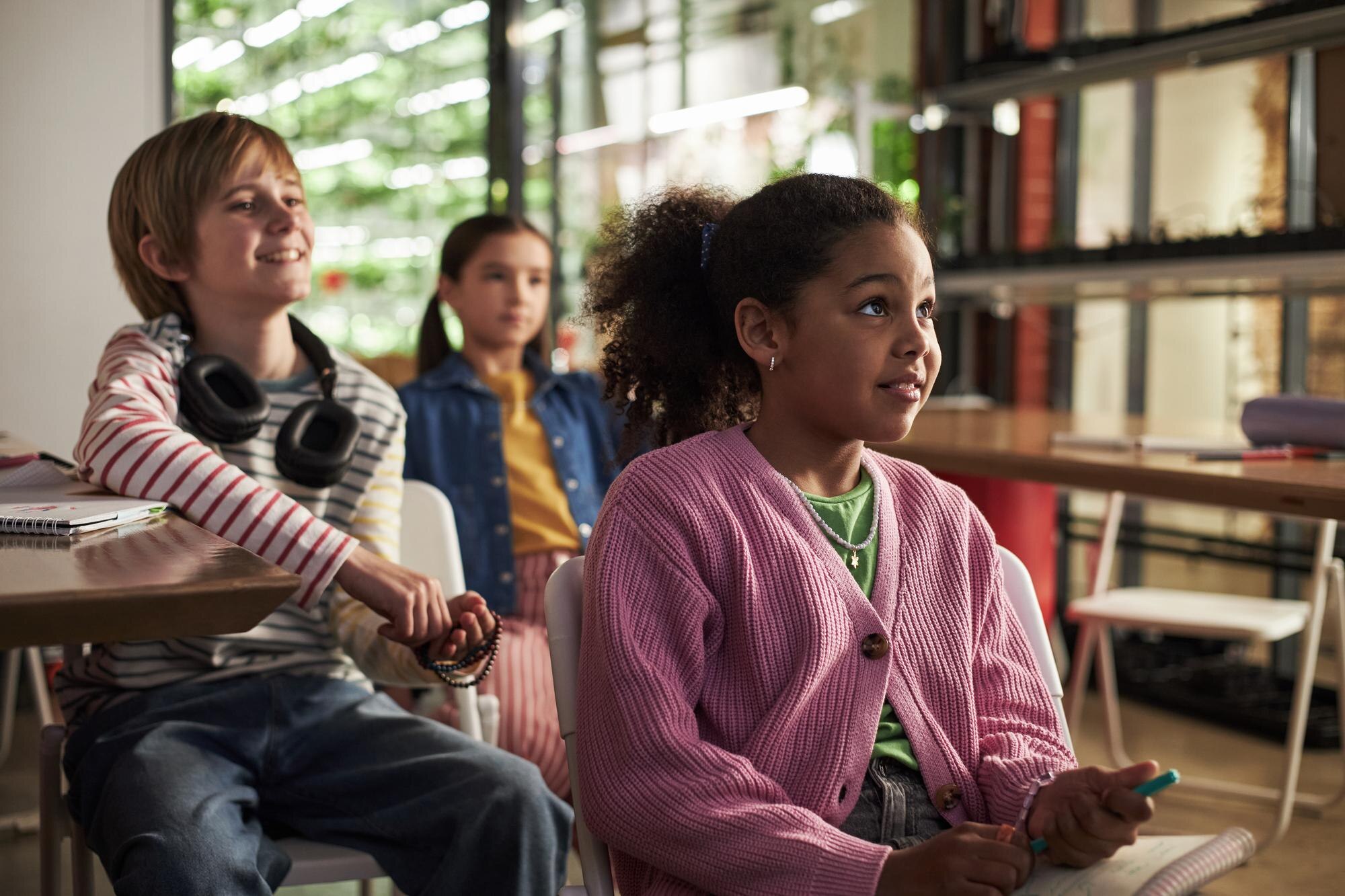
Gifted students often face emotional hurdles that can impact their educational journey. Building emotional resilience is crucial for their overall development. This section explores strategies to enhance emotional awareness and teach effective coping mechanisms.
Encouraging Emotional Awareness
Emotional awareness is the foundation of resilience. Gifted students must understand and articulate their feelings to navigate life’s challenges. Encouraging open discussions about emotions fosters this awareness. Teachers can incorporate activities like journaling or group discussions to help students express themselves.
Journaling offers a private space for students to explore their thoughts. Encourage regular entries focusing on feelings experienced during the day. This practice helps in identifying emotional patterns and triggers.
Group discussions provide a platform for students to share experiences and learn from peers. Sharing in a supportive environment reduces feelings of isolation, showing students they’re not alone in their struggles.
Visit ESCCO for more insights on addressing the social-emotional needs of gifted students.
Teaching Coping Strategies
Teaching coping strategies equips students to handle stress effectively. Coping strategies can be tailored to individual needs, ensuring each student has a personalized toolkit to draw upon during challenging times.
Mindfulness exercises: Techniques like deep breathing or guided imagery help students center themselves.
Problem-solving skills: Encourage students to break down problems into manageable parts and brainstorm solutions.
Positive self-talk: Teach students to replace negative thoughts with affirmations, boosting their confidence.
Real-world example: A student struggling with anxiety before presentations can practice deep breathing and positive self-talk. This combination reduces anxiety and enhances performance.
For additional strategies, see the Gifted Challenges blog.
Boosting Student Confidence

Confidence is crucial for gifted students to reach their full potential. This section discusses ways to celebrate individual strengths and provide constructive feedback, fostering a sense of achievement and growth.
Celebrating Individual Strengths
Recognizing and celebrating individual strengths boosts confidence. Gifted students often excel in specific areas, and highlighting these strengths can motivate them further.
Teachers can create a classroom culture where every student’s talent is acknowledged. Display student work prominently or establish a “star of the week” program to celebrate achievements.
Real-world Example: A math whiz might be asked to lead a session or assist peers, reinforcing their expertise and boosting confidence.
Key insights:
Recognition can be formal (awards) or informal (verbal praise).
Highlighting strengths encourages students to pursue their passions.
Explore more ideas at Genie Academy.
Providing Constructive Feedback
Feedback should be constructive and specific, focusing on areas of improvement while recognizing efforts. This balance helps students grow without feeling discouraged.
Balance positive and negative feedback: Always start with what the student did well.
Be specific: Instead of “good job,” say, “Your introduction was engaging, and your argument was clear.”
Encourage reflection: Ask students to identify areas they feel need improvement.
Incorporating these practices creates a supportive feedback loop, encouraging continuous improvement. For further reading, visit the NAGC.
Fostering Personal Growth
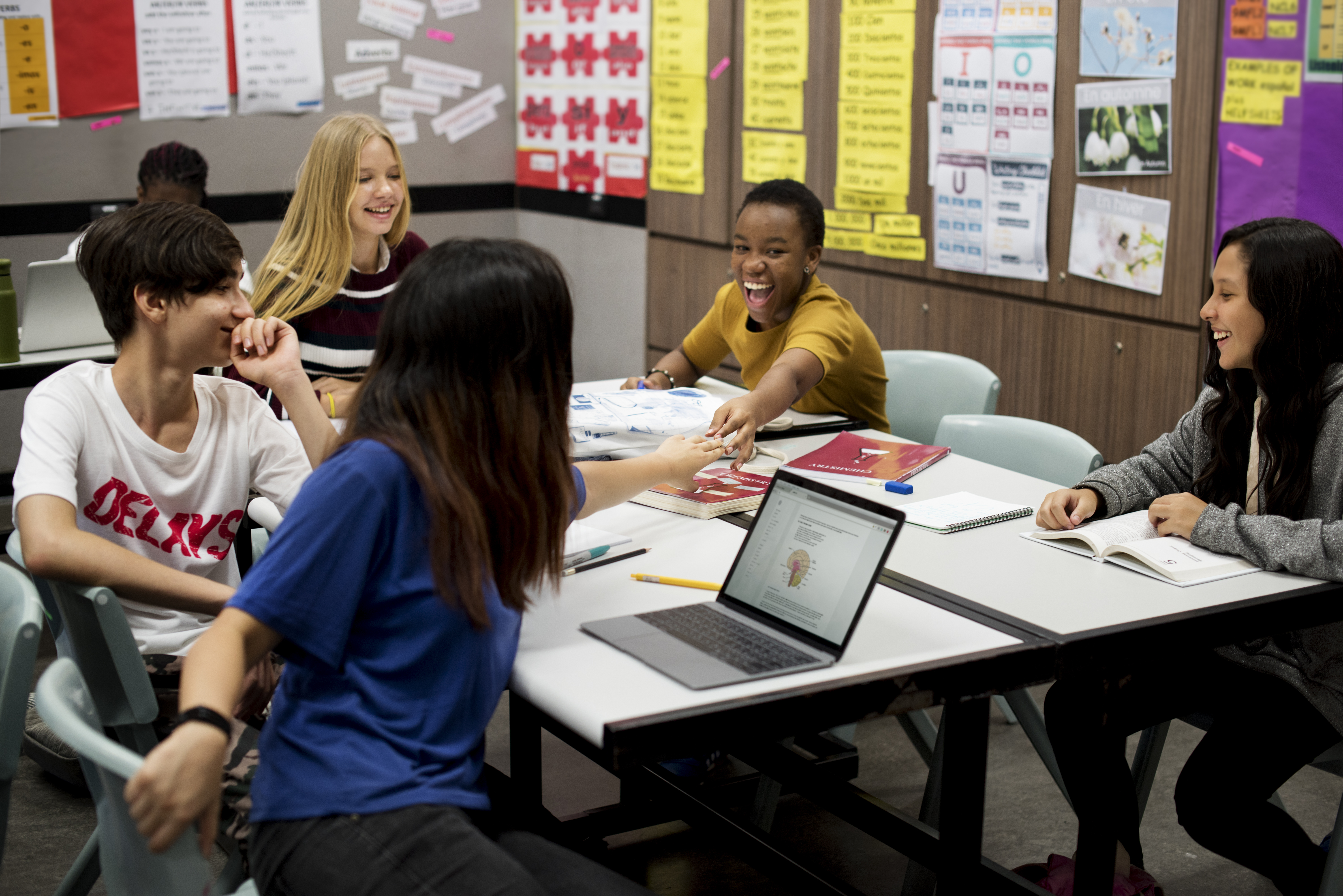
Fostering personal growth in gifted students involves setting realistic goals and building a supportive environment. This section outlines practical steps to encourage development.
Setting Realistic Goals
Goal setting is crucial for personal growth. Goals should be specific, measurable, achievable, relevant, and time-bound (SMART). This framework ensures students have clear, attainable objectives.
Start with short-term goals: Break down long-term aspirations into smaller tasks.
Encourage self-assessment: Let students evaluate their progress and adjust goals as needed.
Celebrate milestones: Recognize achievements to motivate further efforts.
Real-world Example: A student aiming to improve writing skills can set a goal to write for 20 minutes daily. Celebrating weekly progress encourages consistency.
For more goal-setting strategies, check out Gifted Challenges.
Building a Supportive Environment
Creating a supportive environment means fostering trust and collaboration in the classroom. Students should feel safe to express ideas and take risks without fear of judgment.
Strategies for a supportive environment:
Encourage open communication and active listening.
Promote peer support through group projects.
Establish clear guidelines for respectful interactions.
Case Study: A classroom promoting peer mentorship found students more willing to collaborate and share ideas. This environment nurtures personal growth and mutual respect.
Visit ESCCO for more tips on building supportive environments.
🌟📚

A certified Heal Your Life® Coach with 20+ years in education and emotional development. Supports gifted teens in navigating anxiety, perfectionism, and identity challenges, while equipping parents with practical tools for lasting transformation. Sessions blend emotional healing, mindset mastery, and strategic empowerment.



