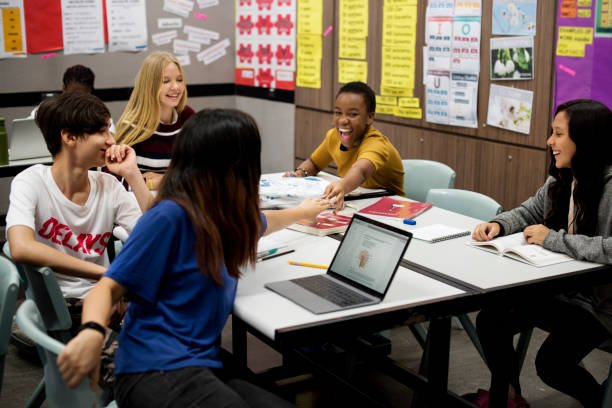
Group of diverse high school students studying in class
Top Strategies for Educators to Empower Gifted Students with Resilience and Confidence
Gifted students face unique hurdles that often go unnoticed. You see their brilliance, but you also witness their struggles with anxiety and perfectionism. How can you, as an educator, nurture their resilience and confidence? Imagine turning these challenges into opportunities for growth. You’ll discover powerful educator strategies that enhance emotional wellness and academic success. Ready to transform your approach and empower your students? Join our upcoming workshop to integrate these strategies into your teaching practice.
Building Resilience in Gifted Students
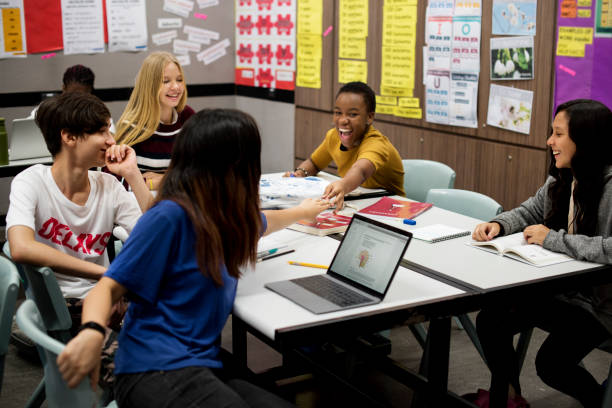
Resilience is a crucial trait for gifted students, allowing them to navigate challenges with strength and perseverance. Building resilience involves teaching students to see obstacles as opportunities for growth. This section explores how educators can foster resilience by encouraging a growth mindset and developing emotional intelligence.
Encouraging Growth through Challenges
Gifted students often encounter academic tasks that don’t challenge them, leading to complacency. Encouraging growth requires presenting them with challenges that are not just academic but also personal. This approach helps them develop problem-solving skills that are essential for resilience.
Set achievable goals: Break down tasks into smaller, manageable objectives to prevent overwhelm.
Promote a growth mindset: Encourage students to see failure as a stepping stone to success. Praising effort over innate ability helps in this regard.
Provide diverse learning opportunities: Engaging in different activities, such as arts or sports, can teach adaptability and perseverance.
Real-world examples, like those found on Gifted Challenges, highlight the importance of these strategies. Educators can learn from these examples to tailor their approaches to the unique needs of gifted students.
Developing Emotional Intelligence
Emotional intelligence is understanding and managing emotions effectively. For gifted students, it’s about recognizing their emotions and those of others, which plays a key role in resilience. Educators can develop this skill through structured activities and discussions.
Use role-playing: Simulate scenarios where students must identify and express emotions.
Encourage reflection: Journaling allows students to process their feelings and thoughts, fostering self-awareness.
Teach empathy: Group discussions on diverse perspectives can enhance understanding and compassion.
Resources like The Genie Academy offer insights into embedding emotional intelligence training into regular curriculum practices. By developing these skills, students become better equipped to handle interpersonal relationships and emotional stress.
Boosting Confidence in the Classroom

Building confidence in gifted students is essential for their academic and personal growth. A confident student is more likely to take on challenges, express ideas, and engage fully in learning. This section focuses on creating a classroom environment that supports confidence and individual achievements.
Creating a Supportive Environment
A classroom environment that nurtures confidence starts with a foundation of support and encouragement. Teachers play a vital role in creating a space where students feel valued and understood.
Celebrate diversity: Recognize and appreciate different learning styles and perspectives.
Provide constructive feedback: Offer specific praise and areas for improvement to guide students without discouragement.
Encourage peer collaboration: Group activities can foster a sense of belonging and mutual support.
For more strategies, explore resources at ESCCO. These strategies help create a nurturing environment that empowers students to thrive and grow.
Celebrating Individual Achievements
Recognizing individual accomplishments is crucial for boosting confidence in gifted students. It reassures them that their efforts are meaningful and appreciated.
Consider these approaches:
Public recognition: Highlight student successes in class newsletters or bulletin boards.
Personalized praise: Acknowledge specific achievements in person to show genuine interest.
Encourage self-reflection: Allow students to share their learning journeys and celebrate personal milestones.
By consistently celebrating successes, educators can reinforce a positive self-image and inspire students to maintain high levels of engagement and effort.
Practical Educator Strategies

Educators need practical strategies to effectively support gifted students in building resilience and confidence. This section provides actionable techniques and insights for fostering emotional wellness in the classroom.
Effective Communication Techniques
Effective communication with gifted students involves active listening and clear, empathetic exchanges. By honing these skills, educators can better support emotional and academic growth.
Practice active listening: Show genuine interest in students’ thoughts and feelings by asking open-ended questions.
Use clear, direct language: Avoid ambiguous instructions to ensure understanding.
Foster open dialogue: Encourage students to voice their opinions and concerns without fear of judgment.
These techniques, as discussed on Psychology Perspective, are pivotal for building trust and rapport with gifted students, enabling them to feel more secure and understood.
Fostering Emotional Wellness
Supporting emotional wellness in gifted students involves creating a classroom atmosphere where they feel safe to express themselves and explore their identities.
Incorporate mindfulness practices: Introduce activities like meditation or deep-breathing exercises to reduce stress.
Facilitate social-emotional learning: Use programs focused on developing emotional intelligence and inter-personal skills.
Provide resources for self-help: Offer books and materials that address emotional challenges and coping strategies.
For further insights, consult Genie Academy resources. These tools empower educators to support their students’ emotional development effectively and compassionately.
🌟📚

A certified Heal Your Life® Coach with 20+ years in education and emotional development. Supports gifted teens in navigating anxiety, perfectionism, and identity challenges, while equipping parents with practical tools for lasting transformation. Sessions blend emotional healing, mindset mastery, and strategic empowerment.