
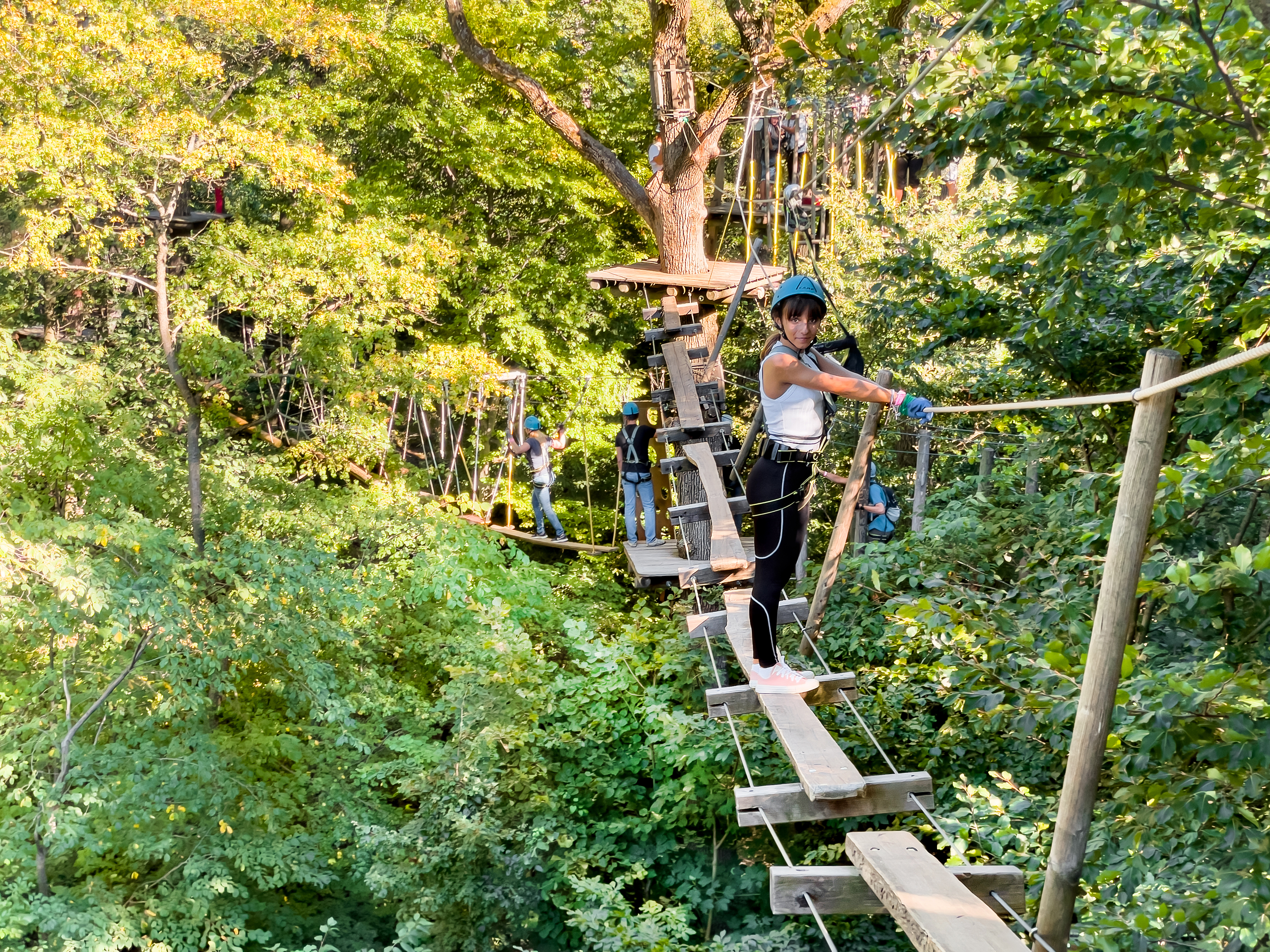
Rope park in wood forest.Adventure park close up. Summer fun and sports for adventurous people.Happy A teenager Girl enjoying activity in a climbing adventure park walks along a rope bridge between trees in safety gear and a helmet on a summer day.
Unleashing Potential: The Power of Adventure-Based Mindset Training for Gifted Teens
Gifted teens often carry a weight that others can’t see. The pressure to be perfect, the fear of failure—it’s all too real. Adventure-based mindset training might just be the game-changer they need. By stepping into challenges and pushing their limits, these teens can build emotional resilience and self-confidence. This isn’t just about surviving; it’s about thriving and embracing one’s true potential. Ready to see how this unique approach can transform your gifted teen’s life? Let’s dive in. Learn more about adventure-based mindset training and its benefits for gifted teens.
Understanding Adventure-Based Mindset Training
Adventure-based mindset training is a unique approach that combines physical activities with emotional coaching. It is designed to help gifted teens navigate the pressures they face. By stepping into challenging environments, these teens can develop skills that go beyond academic excellence.
What It Entails
Adventure-based mindset training involves immersive experiences that require participants to engage both physically and mentally. Activities like rock climbing, kayaking, and hiking are not just recreational; they are tools for personal growth and self-discovery.
Participants are guided by trained professionals who provide emotional support throughout the process. This approach is based on the idea that overcoming physical challenges can translate into emotional strength.
The focus is on building emotional resilience and self-confidence. Teens learn to manage anxiety and perfectionism by confronting fears in a controlled setting. The goal is to equip them with the tools needed to handle everyday life challenges.
This form of training draws from adventure therapy principles, which have been shown to be effective in improving mental health.
Why It Matters for Gifted Teens
Gifted teens often struggle with unique emotional challenges. The pressure to excel in every facet of life can lead to stress and anxiety. Adventure-based training provides an outlet for these feelings.
By participating in demanding activities, gifted teens can channel their energy positively. They learn to set realistic expectations and celebrate small victories, which helps in combating perfectionism.
Research indicates that adventure-based learning improves emotional wellness by fostering a sense of achievement. Teens develop a greater understanding of their limits and potential.
Gifted teens often feel isolated due to their abilities. This training encourages teamwork and communication, reducing feelings of loneliness.
The importance of this approach is evidenced by studies such as those found at PMC that highlight its positive impact on emotional development.
Building Emotional Resilience
Building emotional resilience is essential for gifted teens to thrive. This section explores how adventure-based training helps them cope with pressure and boost their confidence.
Overcoming Pressure and Perfectionism
Gifted teens frequently encounter intense pressure to meet high expectations. Adventure-based activities provide a safe environment to explore these pressures.
Teens face controlled challenges, allowing them to practice risk-taking without fear of failure.
They receive guidance from mentors who help them process emotions and learn from each experience.
By focusing on the journey rather than the outcome, they learn to appreciate their efforts.
Overcoming perfectionism involves recognizing that mistakes are part of learning. Through adventure-based training, teens see that failures are not the end but a step toward growth.
Encouragement to embrace imperfections as learning opportunities is vital. This mindset shift can significantly reduce anxiety and foster resilience.
Articles from Clearfork Academy suggest that adventure therapy helps teens develop healthier perspectives on success and failure.
Confidence Building Through Challenge
Confidence-building is a core element of adventure-based mindset training. Facing and overcoming challenges enables teens to trust their abilities.
These activities are structured to push teens out of their comfort zones safely. They learn to set goals and take steps toward achieving them, boosting self-assurance.
Success in physical activities translates to confidence in other areas, such as academics and social interactions.
Teens learn to celebrate their achievements, fostering a positive self-image.
Guided reflections help them internalize these successes, reinforcing confidence over time.
Case studies indicate that teens who engage in adventure-based training report increased confidence levels. They carry this newfound self-belief into all aspects of life.
Insights from Mission Grit show that physical challenges are a powerful tool for building self-esteem.
Fostering Personal Growth

Personal growth is at the heart of adventure-based mindset training. This section highlights how stepping beyond comfort zones and developing emotional intelligence contribute to a teen’s development.
Thriving Beyond Comfort Zones
Adventure-based training encourages teens to step beyond their comfort zones. Engaging in unfamiliar activities helps them discover new strengths.
Teens often realize they are capable of more than they thought. This realization ignites a desire to explore further, fostering a growth mindset.
Thriving in new environments teaches adaptability, an essential skill for personal growth. Teens learn to embrace the unknown and view it as an opportunity rather than a threat.
Activities like group challenges enhance problem-solving skills and promote teamwork.
Overcoming fears in a supportive setting builds resilience and courage.
Teens carry these skills into their academic and personal lives, contributing to overall development.
The impact of such growth is supported by studies like those mentioned in PMC, showing the benefits of experiential learning.
Developing Emotional Intelligence
Emotional intelligence is crucial for personal and social success. Adventure-based training provides a platform for teens to enhance this skill.
Through reflection and feedback, teens learn to understand their emotions. They also develop empathy by interacting with peers in challenging situations.
Teens practice communication and collaboration, which strengthens relationships.
Activities emphasize the importance of understanding and managing emotions.
Greater emotional awareness leads to improved decision-making skills.
Real-world examples show that teens who undergo this training exhibit higher emotional intelligence. This skill is invaluable in navigating the complexities of life.
The benefits of developing emotional intelligence through adventure-based activities are highlighted in resources such as Clearfork Academy.
🌟

A certified Heal Your Life® Coach with 20+ years in education and emotional development. Supports gifted teens in navigating anxiety, perfectionism, and identity challenges, while equipping parents with practical tools for lasting transformation. Sessions blend emotional healing, mindset mastery, and strategic empowerment.



