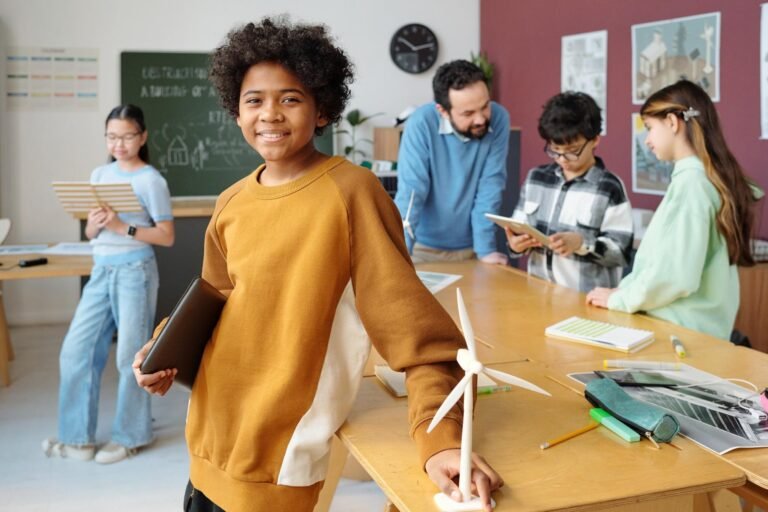
Meaningful engagement in learning involves students actively connecting with the material, supported by parents and teachers through communication, collaboration, and appropriate tools. This partnership enhances a child’s motivation and overall educational experience, leading to lasting academic success.
Meaningful Engagement is crucial for gifted children as it significantly impacts their academic and social development. In this post, we’ll explore practical strategies to foster such engagement and support their emotional literacy.
What is Meaningful Engagement?
Meaningful engagement happens when children connect with their learning in a real way. It’s not just about doing well in school. Instead, it’s about feeling excited and interested. When kids are engaged, they ask questions and think deeply. They become active participants in their own learning journey.
There are three main parts of meaningful engagement:
- Behavioral engagement: This is about taking part in activities. It includes answering questions, participating in discussions, and completing work.
- Emotional engagement: This focuses on feelings. When kids are emotionally engaged, they care about their work. They feel happy and connected to what they’re learning.
- Cognitive engagement: This is about thinking deeply. Kids who are cognitively engaged analyze information and solve problems.
So, why does it matter? When children are meaningfully engaged, they learn better and develop important skills. They also build their confidence and passion for learning.
Types of Engagement: Behavioral, Emotional, Cognitive
Engagement in learning comes in three main types: behavioral, emotional, and cognitive. Each type plays a key role in a child’s education.
Behavioral engagement is about taking part actively in class. It includes things like asking questions, joining discussions, and completing assignments. When kids are behaviorally engaged, they feel part of the learning process.
Emotional engagement deals with how kids feel about learning. When they enjoy what they’re studying, they connect better with the material. Good feelings can lead to a love for learning. This engagement helps kids to stick with tasks, even when they get tough.
Cognitive engagement is all about thinking. Children who are cognitively engaged think critically and solve problems. They don’t just memorize facts; they understand concepts and can apply them in real-life situations.
All three types of engagement are important for successful learning. They work together to help kids grow and develop their skills.
Why are Some Children Not Engaged?
Sometimes, kids aren’t engaged in learning, and it can be disheartening. Many factors can affect a child’s level of engagement.
One reason might be a lack of interest. If a subject doesn’t spark curiosity, children may not focus. They need to see the relevance of what they are learning. Connecting lessons to their lives can help.
Another reason could be difficulty understanding the material. If kids find tasks too hard or too easy, they may lose interest. It’s important to find the right level of challenge. Offering different activities can keep them involved.
Emotional issues can also play a big role. Kids who are stressed, anxious, or feeling bad may not engage well. Creating a safe and supportive classroom environment is crucial for their emotional engagement.
Finally, social factors may affect engagement. Children who struggle to fit in or make friends can feel isolated. Encouraging teamwork and social skills can help them connect better.
Role of Parents in Supporting Engagement
Parents play a key role in supporting engagement for their children. When parents get involved, kids often become more interested in learning.
First, communicating with teachers is important. Regular updates on a child’s progress can help parents stay informed. This way, they can support learning at home.
Creating a positive learning environment at home matters too. Designating a quiet and comfortable space for studying can help kids focus better. Reducing distractions is crucial, especially during homework time.
Another way parents can help is by showing interest. Asking questions about school can spark conversations. When children see that their parents care, they often feel more motivated.
Setting goals together can boost engagement as well. Parents can work with their kids to set realistic and achievable goals. This collaboration not only builds excitement but also encourages responsibility.
Finally, parents should encourage exploration. Allowing kids to pursue their interests can lead to valuable learning experiences. Visiting museums, libraries, or engaging in activities outside of school can enhance their education.
Communication: Parents and Teachers
Good communication between parents and teachers is essential for children’s success. When parents and teachers work together, it helps kids engage better in school.
First, regular and open communication can make a big difference. Parents should feel comfortable reaching out to teachers. This can be through emails, phone calls, or school meetings.
Teachers can share updates on a child’s progress, strengths, and areas for improvement. Parents can provide valuable insights about their child’s interests and challenges at home. This shared information helps both sides understand the child better.
Setting goals together is another way to improve engagement. Parents and teachers can discuss what a child needs to work on and set realistic targets. When both sides are on the same page, kids benefit more from their learning.
It’s also important to celebrate successes together. A quick note or a phone call from teachers about a child’s achievement can boost motivation. Parents can reinforce these achievements at home, making kids feel proud of their hard work.
Finally, parents should participate in school activities. Being involved in school events or volunteering helps strengthen the bond with teachers. This connection shows kids that education is a team effort.
Collaborative Planning for Engagement
Collaborative planning for engagement involves teamwork between parents, teachers, and the students themselves. This approach helps create a more meaningful learning experience.
First, it’s important to set clear goals. Parents and teachers should sit down together to discuss what each child needs. They can share ideas on how to make lessons more engaging.
Involving students in planning is crucial. When kids have a say in their learning, they feel empowered. They can express their interests and suggest projects that excite them.
Next, using different teaching methods can help keep engagement high. Teachers can mix fun activities, group work, and technology. Parents can suggest hobbies or interests that align with classroom learning.
Regular check-ins help keep everyone on track. Setting up meetings allows parents and teachers to share updates on progress. They can discuss what’s working and what needs adjustments. This feedback loop fosters ongoing improvement.
Finally, celebrate successes together. Acknowledging achievements, both big and small, encourages motivation. Parents and teachers can work together to create a supportive community that values learning.
Monitoring Progress: Tools to Support Learning
Monitoring progress is vital for supporting a child’s learning journey. It helps parents and teachers see how well kids are doing. There are many tools parents and teachers can use to track growth and engagement.
One useful tool is a learning journal. Kids can write down what they learn daily. This reflection helps them think about their progress. Teachers can review these journals to understand each child’s needs better.
Assessment tools are also important. These can include quizzes, tests, or even informal check-ins. Teachers can use these assessments to see what areas need extra help. Parents should be informed about these assessments and support their children at home.
A monitoring app can help too. Many apps allow parents to track homework, test scores, and classroom participation. They can easily see what their child excels at and where they may struggle.
Setting specific, measurable goals can guide progress monitoring. Parents and teachers can work together to create these goals. They can regularly check if kids are on track and adjust plans when needed.
Finally, regular communication is key. Sharing updates on progress can motivate kids. It also helps parents and teachers stay connected in supporting each child’s learning.
In conclusion, fostering engagement is a team effort
Creating an engaging learning environment for children involves collaboration between parents, teachers, and students. When everyone works together, kids are more likely to thrive in school.
Understanding the different types of engagement—behavioral, emotional, and cognitive—helps everyone focus on what children need. Parents can support their child’s learning by communicating with teachers and being involved in school activities.
Tools like learning journals and assessment methods are important for monitoring progress. They provide insights that help tailor support for each child’s unique needs.
Ultimately, when parents, teachers, and children unite to create meaningful experiences, it leads to a love for learning that lasts a lifetime.
FAQ – Frequently Asked Questions about Engagement in Education
What is meaningful engagement in learning?
Meaningful engagement is when kids actively connect with what they are learning, feeling interested and involved.
How can parents support their child’s engagement?
Parents can support engagement by communicating with teachers, creating a positive learning environment, and showing interest in school activities.
Why might some children not be engaged in school?
Some children may not be engaged due to lack of interest, difficulty understanding the material, emotional issues, or social challenges.
What tools can help monitor a child’s progress in school?
Tools like learning journals, assessment tools, and monitoring apps can help track a child’s learning progress effectively.
How important is communication between parents and teachers?
Good communication is crucial as it builds a partnership that supports a child’s learning and development.
What is collaborative planning for engagement?
Collaborative planning involves parents, teachers, and students working together to create engaging and relevant learning experiences.

A certified Heal Your Life® Coach with 20+ years in education and emotional development. Supports gifted teens in navigating anxiety, perfectionism, and identity challenges, while equipping parents with practical tools for lasting transformation. Sessions blend emotional healing, mindset mastery, and strategic empowerment.