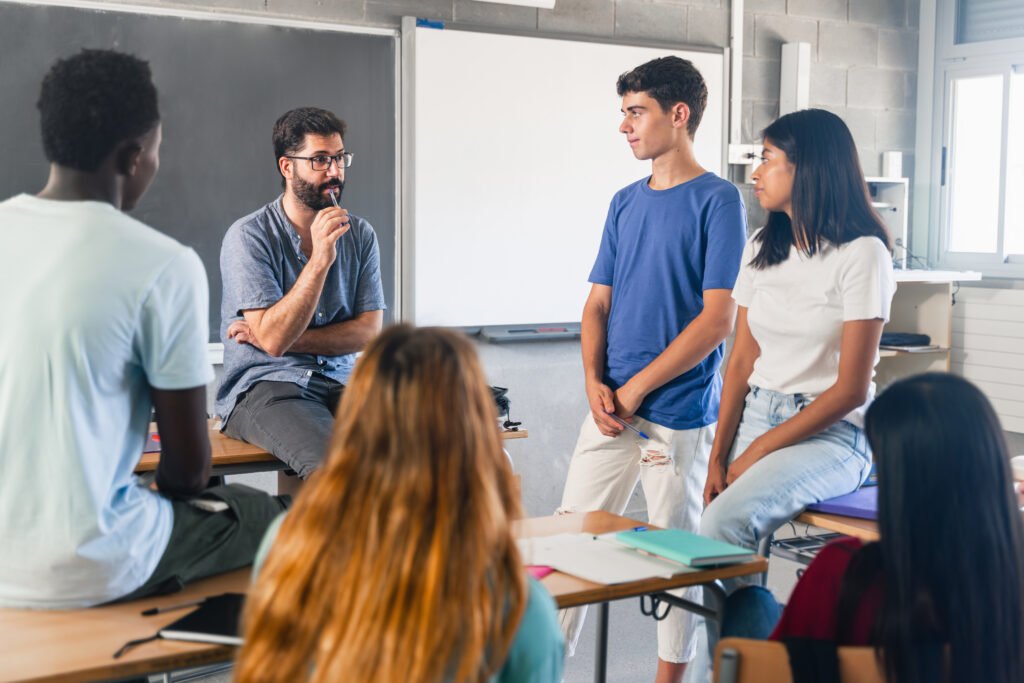
Group of teenagers and male teacher at classroom talking and discussing together
Empowering Tomorrow’s Leaders: Strategies for Educators to Foster Resilience and Confidence in Gifted Students
Gifted students face a unique set of challenges that go beyond academic rigor. You see their potential, yet worry about the pressure and emotional hurdles they encounter daily. Imagine transforming your classroom into a sanctuary where resilience and confidence bloom. This isn’t just a dream—it’s achievable. In this guide, you’ll uncover powerful strategies tailored for gifted education, empowering you to nurture emotional support for students in meaningful ways. Ready to make a difference? Let’s dive in. Learn more about developing resilience in gifted students.
Fostering Resilience in Education

Creating resilient learners is a crucial aspect of gifted education. Resilience helps students navigate academic challenges and emotional hurdles. By fostering a supportive environment and encouraging emotional expression, educators can lay the foundation for resilience in education.
Building a Supportive Environment
A supportive environment is essential for nurturing resilience in gifted students. It begins with acknowledging their unique emotional and academic needs. An inclusive classroom where students feel safe and valued is critical. Encouraging peer collaboration can also enhance a sense of community.
Develop clear communication channels with students and parents to address concerns promptly.
Create flexible learning opportunities that cater to different strengths and interests.
Establish routines that provide structure but allow for independence.
Real-world examples show that schools implementing these strategies have seen increased student engagement and reduced anxiety. For more insights, visit Genie Academy’s blog.
Encouraging Emotional Expression
Gifted students often grapple with intense emotions. Encouraging emotional expression is vital for resilience. Open dialogues about feelings can demystify emotional experiences for students. Art, drama, and creative writing serve as powerful tools for emotional exploration.
Incorporate regular check-ins to discuss feelings and emotional well-being.
Use role-playing activities to help students express emotions safely.
Introduce journaling as a way for students to reflect on their experiences.
By providing these outlets, educators can foster an environment where students feel understood and supported. For more strategies, see Gifted Challenges.
Confidence Building Strategies

Confidence is a vital component for success in gifted education. Encouraging students to recognize their strengths and learn from challenges builds this confidence. This section explores strategies for celebrating individual achievements and offering constructive feedback.
Celebrating Individual Achievements
Every achievement, big or small, deserves recognition. Celebrating these wins can significantly boost a gifted student’s confidence. Create a culture of appreciation where students feel proud of their efforts.
Key strategies include:
Highlighting student work in class or through newsletters.
Organizing award ceremonies to acknowledge achievements.
Incorporating peer recognition to foster a supportive community.
These practices encourage students to value their unique contributions. More ideas can be found at ESCCO.
Constructive Feedback Techniques
Feedback is crucial for growth but must be delivered thoughtfully. Constructive feedback should focus on specific actions and encourage improvement. This builds resilience and confidence simultaneously.
Use a feedback sandwich: Positive comment, area for improvement, positive comment.
Be specific: Focus on behaviors or efforts, not personal attributes.
Encourage self-assessment: Guide students to evaluate their work critically.
This approach ensures feedback is seen as a tool for growth rather than criticism. For comprehensive techniques, explore the resources at Psychology Perspective.
Emotional Support for Gifted Students

Emotional well-being is central to the success of gifted students. By developing strong mentor relationships and incorporating mindfulness practices, educators can provide essential emotional support.
Developing Strong Mentor Relationships
Mentorship plays a pivotal role in supporting gifted students. A mentor offers guidance, shares insights, and provides a sounding board for ideas. Building a trusting relationship is at the heart of effective mentorship.
Pair students with mentors who share similar interests or experiences.
Encourage regular meetings to discuss goals and challenges.
Promote open communication to build trust and respect.
Successful mentorship can enhance confidence and resilience. Discover more at ESCCO.
Mindfulness and Stress Management
Mindfulness practices help students manage stress and maintain emotional balance. Simple techniques can be integrated into daily routines, offering students tools to cope with pressure.
Introduce breathing exercises to calm the mind.
Encourage mindful moments before exams or presentations.
Teach visualization techniques to improve focus and relaxation.
These practices foster a sense of calm and resilience. For more on stress management, check out Psychology Perspective.
By implementing these strategies, educators can cultivate an environment where gifted students thrive emotionally and academically.

A certified Heal Your Life® Coach with 20+ years in education and emotional development. Supports gifted teens in navigating anxiety, perfectionism, and identity challenges, while equipping parents with practical tools for lasting transformation. Sessions blend emotional healing, mindset mastery, and strategic empowerment.