
Diverse group of young students chatting and eating snacks during study session in library lounge lit by low lighting focus on smiling Asian woman
Navigating Emotional Challenges: A Guide for Gifted Teens and Their Families
Gifted teens often face emotional storms that others may never experience. It’s not just about the pressure to excel—it’s the weight of feeling different, misunderstood, and sometimes isolated. But you don’t have to navigate these turbulent waters alone. In this guide, we’ll explore strategies to help gifted teens build resilience and emotional intelligence. Let’s empower you and your family to turn challenges into opportunities for growth and self-discovery. Join our community workshops or explore our 1:1 coaching sessions to start your journey toward emotional well-being today!## Understanding Emotional Challenges

Gifted teens often confront unique emotional challenges that can feel overwhelming. Understanding these challenges is the first step toward helping them thrive.
Unique Pressures of Gifted Teens
Gifted teens face specialized pressures that can significantly impact their emotional well-being. Expectations from parents, educators, and even themselves can lead to stress and anxiety. The need to consistently perform at high levels can create an environment where failure feels catastrophic.
Academic Pressure: Gifted teens are often placed in advanced classes, which can lead to increased homework and stress.
Social Isolation: Being in advanced classes or programs can separate them from peers, leading to feelings of loneliness.
Perfectionism: Many gifted teens hold themselves to impossibly high standards, fearing any slip-up.
A case study from Child Psychologist reveals that addressing these pressures early can prevent long-term emotional issues. Parents and educators must provide support and understanding to help navigate these unique challenges.
Feeling Different and Misunderstood
Feeling different and misunderstood can create emotional turbulence for gifted teens. They may feel like they don’t fit in with their peers, which can lead to isolation and loneliness.
Communication is key in addressing this challenge. Parents and educators should encourage open conversations, allowing teens to express their feelings. Creating an environment where they feel heard and understood can make a significant difference.
Empathy: Show genuine understanding of their experiences.
Validation: Acknowledge their feelings as real and important.
Connection: Encourage participation in groups or activities with similar peers.
According to the Davidson Academy, fostering an inclusive environment helps gifted teens feel accepted and appreciated.
Building Resilience and Emotional Intelligence
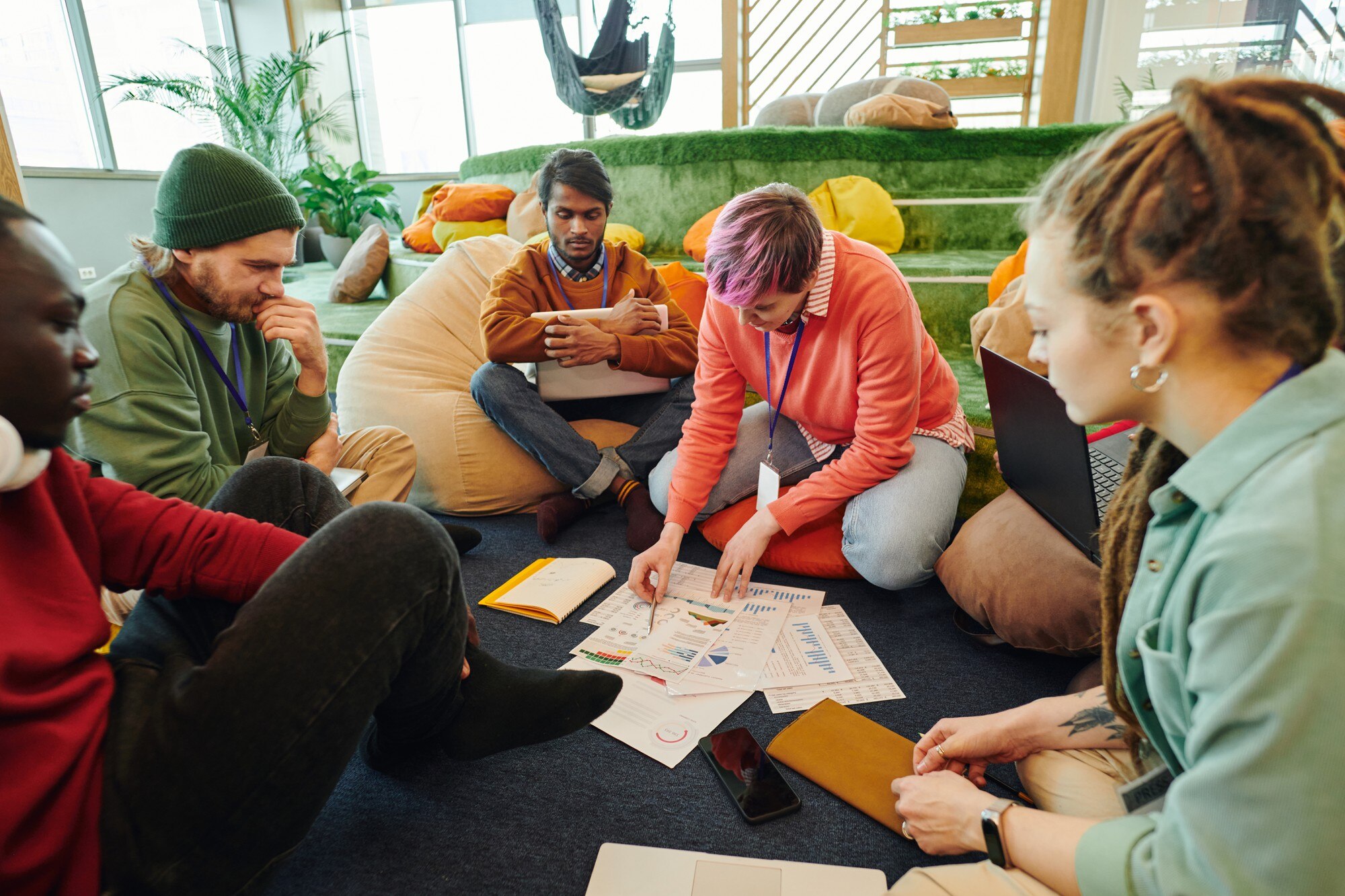
Building resilience and emotional intelligence in gifted teens is essential for their growth. These skills help them navigate life’s challenges with confidence and poise.
Strategies for Emotional Growth
Emotional growth involves learning to manage feelings constructively. Developing these skills can empower gifted teens to handle life’s ups and downs.
Self-Awareness: Encourage teens to identify and understand their emotions.
Self-Regulation: Teach techniques for controlling emotional responses.
Social Skills: Promote developing healthy relationships with others.
Real-world applications highlight how these strategies can lead to improved relationships and academic performance. As detailed on ESCCO, implementing these strategies leads to healthier emotional development and more balanced lives.
Encouraging Emotional Expression
Encouraging emotional expression is crucial for gifted teens. It allows them to process and understand their feelings in a healthy way.
Communication is vital. Creating a safe space where teens feel comfortable expressing their thoughts and emotions without judgment can foster emotional intelligence. Activities such as journaling or art can also be beneficial.
Open Dialogue: Encourage sharing feelings and thoughts regularly.
Creative Outlets: Use art or writing as tools for expression.
Supportive Environment: Create a non-judgmental space for discussions.
The article from PMC emphasizes the importance of these practices in aiding emotional expression and reducing stress.
Parent Support and Anxiety Management

Effective parent support and anxiety management can significantly impact a gifted teen’s emotional well-being.
Tools for Supporting Gifted Teens
Parents play a vital role in supporting gifted teens. Providing them with the right tools can help them guide their children through emotional challenges.
Active Listening: Practice listening without interrupting or offering immediate advice.
Positive Reinforcement: Encourage and celebrate efforts, not just achievements.
Resource Availability: Provide access to books, articles, and professionals who understand giftedness.
By utilizing these tools, parents can foster a supportive home environment. According to Child Psychologist, understanding and support from parents can greatly enhance a teen’s ability to cope with stress.
Addressing Anxiety and Perfectionism
Anxiety and perfectionism are common issues among gifted teens. Addressing these can prevent them from becoming barriers to success.
Mindfulness can be a powerful tool in managing anxiety. Encouraging teens to practice mindfulness can help them stay grounded and reduce stress levels. Additionally, setting realistic goals can help manage perfectionism.
Mindfulness Practices: Include activities like meditation or deep breathing exercises.
Realistic Goal Setting: Help teens set achievable goals to reduce pressure.
Professional Help: Consider therapy or counseling for ongoing anxiety issues.
The Davidson Academy suggests that these approaches can significantly reduce anxiety and help foster a more balanced lifestyle.
By understanding the unique emotional challenges gifted teens face, and with the right strategies, we can help them build resilience and emotional intelligence. Parents are integral to this process, offering support and guidance as their children navigate these complex emotions. 🌟

A certified Heal Your Life® Coach with 20+ years in education and emotional development. Supports gifted teens in navigating anxiety, perfectionism, and identity challenges, while equipping parents with practical tools for lasting transformation. Sessions blend emotional healing, mindset mastery, and strategic empowerment.