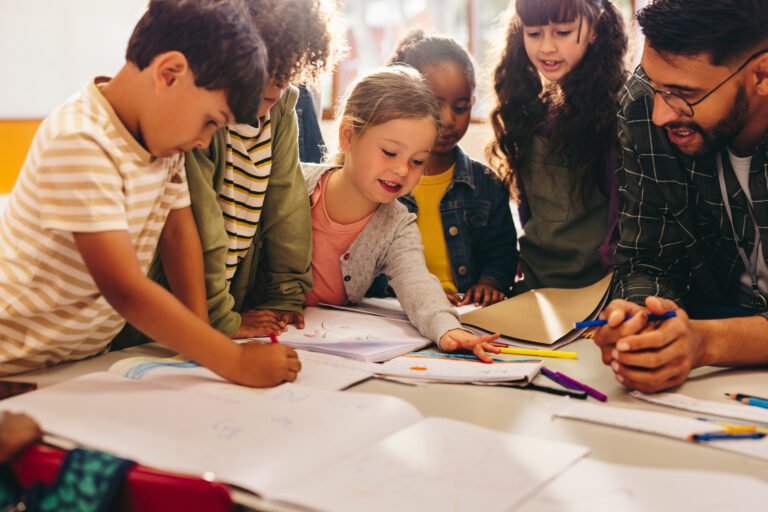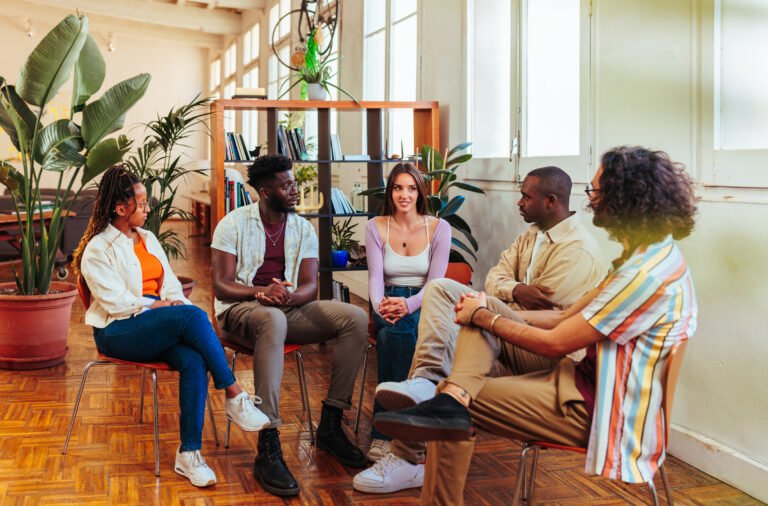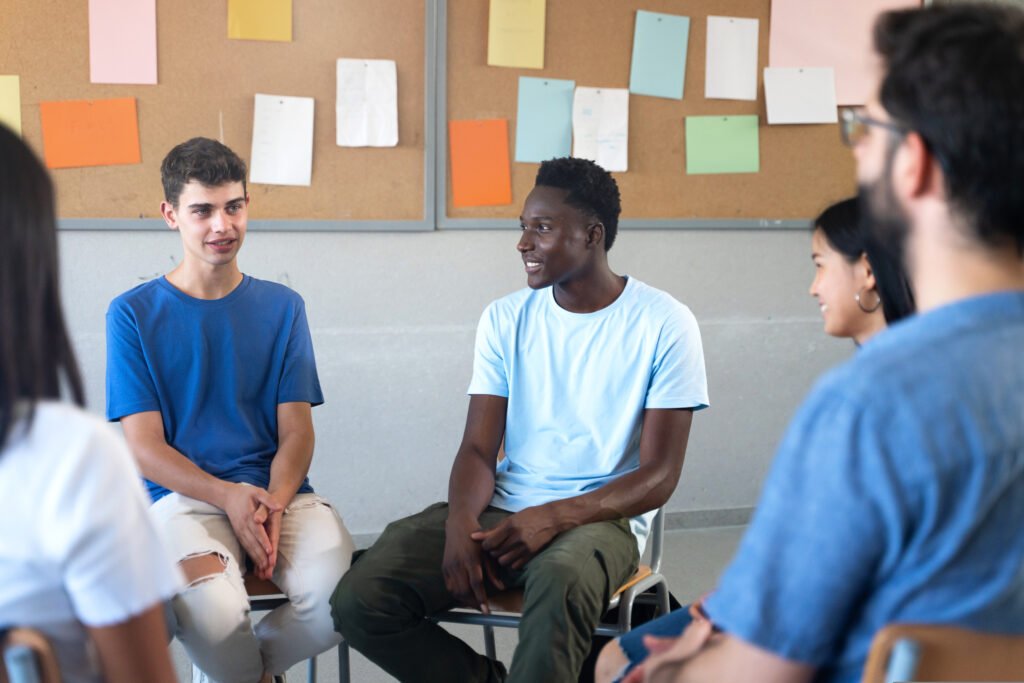
Teenager student talking with teacher and classmates - Group discussion in Education
Unlocking Potential: The Impact of Cultural Sensitivity in Coaching Gifted Youth
Gifted teens face unique challenges that can feel overwhelming. Their potential is undeniable, yet the emotional hurdles they encounter often go unnoticed. This is where cultural sensitivity in coaching becomes a game-changer. By embracing diverse cultural perspectives, we create an environment where gifted youth can flourish emotionally and mentally. You’ll discover how this approach not only supports emotional well-being but also ignites personal growth. Ready to empower your teen’s journey with VK Creative Circle? Let’s dive in!
The Power of Cultural Sensitivity

Embracing cultural sensitivity is crucial in coaching gifted youth. It goes beyond acknowledging differences to actively creating environments that accommodate diverse cultural needs. This approach not only enhances communication but also establishes trust and mutual respect, which are foundational in effective coaching.
Creating a Safe Space
To foster emotional well-being, it’s essential to create a safe space where gifted youth feel respected and understood. A safe space is an environment where individuals can express themselves without fear of judgment or misunderstanding. It is particularly important for gifted youth, who may be more sensitive to social dynamics.
Open communication: Encourage open dialogue by actively listening and validating feelings. This helps build a rapport and shows that their perspectives are valued.
Inclusive language: Use language that is inclusive and respectful of cultural backgrounds. This creates an atmosphere of acceptance and belonging.
Personal anecdotes can be a powerful tool in illustrating understanding and empathy. Share relatable stories to bridge cultural gaps and encourage connection.
Creating a safe space is not just about physical surroundings but also involves emotional and psychological safety. Coaches should strive to be culturally aware and responsive to the unique needs of each individual. Cultural awareness is a key component in this process, promoting an inclusive atmosphere that supports growth.
Embracing Diverse Perspectives
Diverse perspectives enrich the coaching experience by fostering creativity and innovation. When gifted youth are exposed to different viewpoints, they gain a broader understanding of the world and develop critical thinking skills. Diverse perspectives challenge preconceived notions and encourage open-mindedness.
Exposure to various cultures: Introduce youth to different cultural experiences and traditions. This broadens their horizons and nurtures empathy.
Collaborative learning: Encourage group activities where youth can learn from each other’s cultural backgrounds.
Real-world examples demonstrate the impact of embracing diversity in coaching. For instance, schools that foster culturally responsive classrooms Culturally Responsive Classrooms see improved engagement and academic performance.
In summary:
Diverse perspectives enhance critical thinking and creativity.
Exposure to multiple cultures fosters empathy and understanding.
Collaborative learning encourages shared knowledge and respect.
Emotional Well-being in Gifted Youth

Gifted youth often face emotional challenges that require careful attention and support. Understanding these challenges and implementing strategies for resilience can significantly impact their emotional well-being.
Recognizing Emotional Challenges
Gifted youth experience unique emotional challenges that can include heightened sensitivity, perfectionism, and social anxiety. Recognizing these challenges is the first step toward providing effective support.
Heightened sensitivity: Gifted individuals often have a deep emotional capacity, making them more susceptible to emotional distress.
Perfectionism: The pressure to meet high expectations can lead to stress and anxiety. This is a common trait among gifted youth.
Social anxiety: Feeling different from peers can lead to feelings of isolation and anxiety.
Understanding these emotional challenges allows coaches and parents to provide tailored support. As highlighted in Cultural Sensitivity in Coaching, culturally sensitive coaching can address these issues by validating experiences and offering compassionate guidance.
Strategies for Mental Resilience
Building mental resilience in gifted youth involves providing them with tools and strategies to cope with challenges effectively. Mental resilience is the ability to bounce back from setbacks and adapt to change positively.
Mindfulness practices: Encourage techniques such as meditation and deep breathing to help manage stress and anxiety.
Goal setting: Teach youth to set realistic and achievable goals, breaking tasks into manageable steps.
Self-reflection: Encourage regular self-reflection to increase self-awareness and emotional intelligence.
Example: A gifted teen, Alex, struggled with perfectionism. Through coaching, Alex learned mindfulness techniques and goal-setting strategies that improved his resilience. This led to enhanced emotional well-being and personal growth.
Actionable advice:
Practice mindfulness regularly.
Set achievable goals.
Engage in self-reflection to boost emotional intelligence.
Fostering Personal Growth
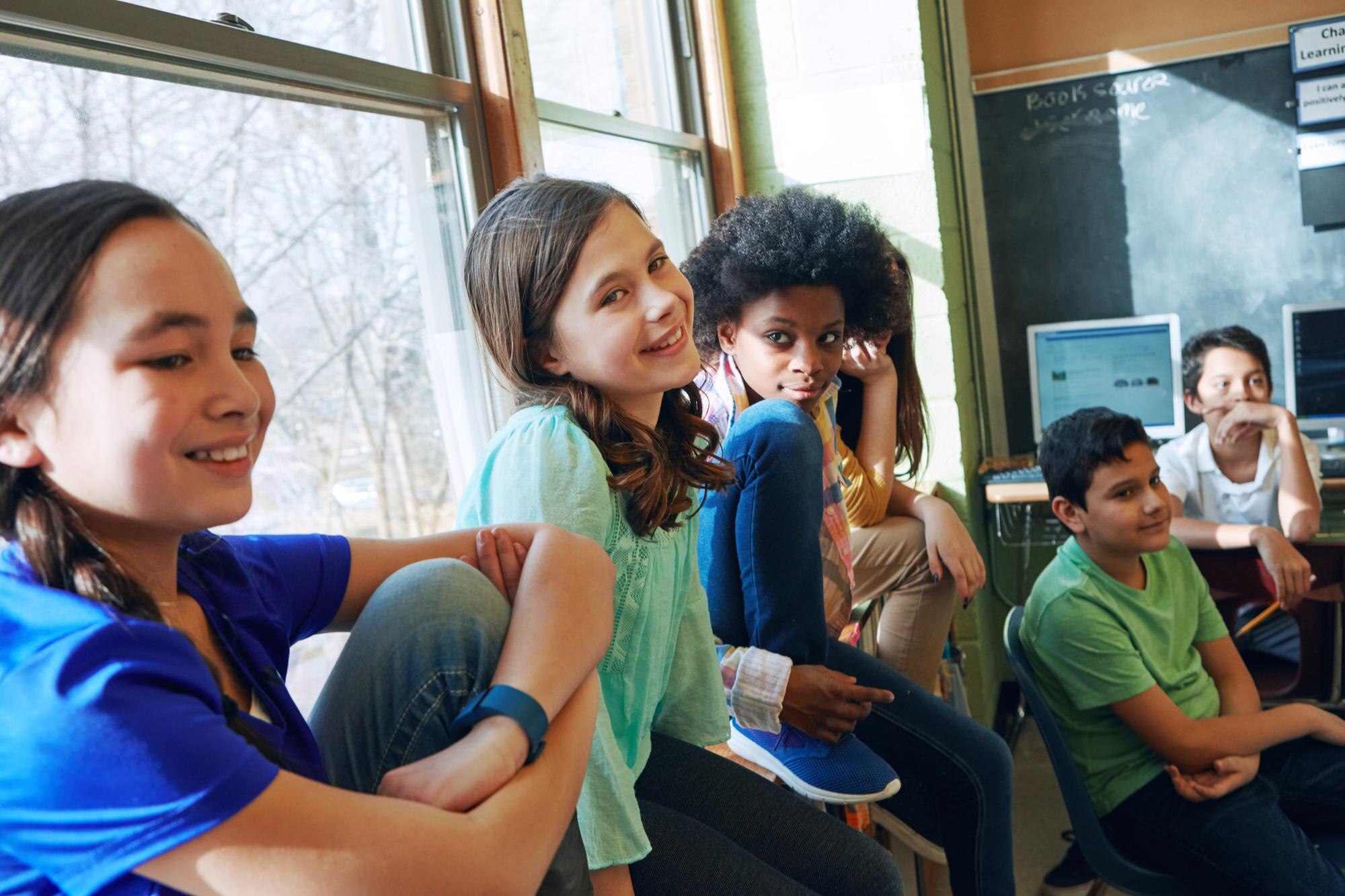
Personal growth in gifted youth is cultivated through self-discovery and a lifelong passion for learning. By providing the right tools and encouragement, coaches can help these individuals unlock their full potential.
Tools for Self-Discovery
Self-discovery is a journey that empowers gifted youth to understand their strengths, weaknesses, and passions. Encouraging this exploration is crucial for personal growth.
Personality assessments: Use tools to help youth understand their personality traits, fostering self-awareness.
Creative outlets: Encourage participation in activities like art, music, or writing to explore interests and express emotions.
Mentorship programs: Connect youth with mentors who can provide guidance and support in their areas of interest.
Case Study: Jamie, a gifted student, participated in a mentorship program. This experience allowed Jamie to explore her passion for science, leading to increased confidence and personal growth.
Key takeaways:
Self-discovery fosters self-awareness and confidence.
Creative outlets provide a means for emotional expression.
Mentorship programs offer guidance and support.
Encouraging Lifelong Learning
Lifelong learning is the ongoing pursuit of knowledge for personal and professional development. Encouraging this mindset in gifted youth instills a love for learning that can last a lifetime.
Curiosity-driven exploration: Foster an environment where questions are encouraged, and curiosity is celebrated.
Access to diverse learning resources: Provide access to books, online courses, and workshops that cater to their interests.
Encouraging autonomy: Allow youth to take charge of their learning journey, building independence and confidence.
Research highlights the importance of lifelong learning in personal growth. According to Gifted Education Research, continuous learning positively impacts cognitive development and emotional well-being.
In conclusion:
Lifelong learning fosters a love for knowledge.
Curiosity-driven exploration enhances critical thinking.
Autonomy in learning builds independence and confidence.
By integrating cultural sensitivity into coaching practices, we can empower gifted youth to thrive emotionally, mentally, and personally. Join our upcoming workshop on cultural sensitivity in coaching to empower your gifted teen’s journey! 🌟

A certified Heal Your Life® Coach with 20+ years in education and emotional development. Supports gifted teens in navigating anxiety, perfectionism, and identity challenges, while equipping parents with practical tools for lasting transformation. Sessions blend emotional healing, mindset mastery, and strategic empowerment.