
Cultural Sensitivity: A Key to Unlocking the Potential of Gifted Youth
Gifted teens face unique challenges that can feel overwhelming. Imagine if cultural sensitivity could be the key to their emotional growth and personal development. By understanding and respecting diverse perspectives, we open doors for these bright minds to thrive. This blog post will explore how cultural sensitivity in gifted youth coaching can transform the way you support your child or student. Join us, and discover a path to nurturing not just their intellect, but their heart and spirit too.
Understanding Cultural Sensitivity

Cultural sensitivity is more than just a buzzword; it’s a fundamental aspect of supporting gifted youth effectively. By appreciating and respecting cultural differences, we can create environments where gifted teens feel safe to express themselves and grow.
Importance in Gifted Youth Coaching
Cultural sensitivity plays a crucial role in the coaching of gifted youth. Understanding diverse cultural backgrounds helps educators and parents adapt their approaches to meet the unique needs of each child. By integrating cultural awareness into coaching, we can avoid misinterpretations that might hinder a youth’s potential.
Real-world example: A student from a collectivist culture may find individual achievements less rewarding than group success. Recognizing this can help tailor motivational strategies.
Read more about the significance of cultural awareness in youth coaching on Empower World.
Fostering Emotional Growth
When cultural sensitivity is prioritized in gifted youth coaching, it fosters emotional growth. This approach allows children to appreciate their own identities and the identities of others, which enhances empathy and social skills.
Emotional intelligence is enriched when children learn to navigate diverse social landscapes, promoting better interpersonal relationships.
Encouraging cultural understanding helps gifted teens manage emotional challenges, such as anxiety, by offering broader perspectives.
Explore how culturally responsive classrooms contribute to emotional growth in the Maryland Educators guide.
Strategies for Personal Development

For gifted youth, personal development extends beyond academics. Cultural sensitivity provides a framework for developing well-rounded individuals who are both intellectually and emotionally intelligent.
Encouraging a Global Perspective
Encouraging a global perspective broadens a gifted youth’s understanding of the world. This can be a powerful tool for personal development, allowing them to connect with peers from various backgrounds and cultures.
Incorporate diverse literature: Introduce books from different cultures to expand worldviews.
Organize cultural exchange programs: Facilitate direct interaction with peers globally.
Promote language learning: Understanding another language opens up new cultural insights.
The impact of a global perspective on personal growth can be explored further in LinkedIn Pulse.
Building Emotional Intelligence
Building emotional intelligence is essential for gifted youth. Cultural sensitivity helps in recognizing and managing emotions effectively, fostering resilience and adaptability.
Embrace emotional diversity: Encourage teens to understand and appreciate different emotional expressions.
Practice empathy daily: Teach empathy as a tool for better interpersonal relationships.
Reflective practices: Journaling or meditation can enhance self-awareness and emotional control.
For more insights, check the detailed study on emotional intelligence in SAGE Journals.
Supporting Gifted Youth and Their Families
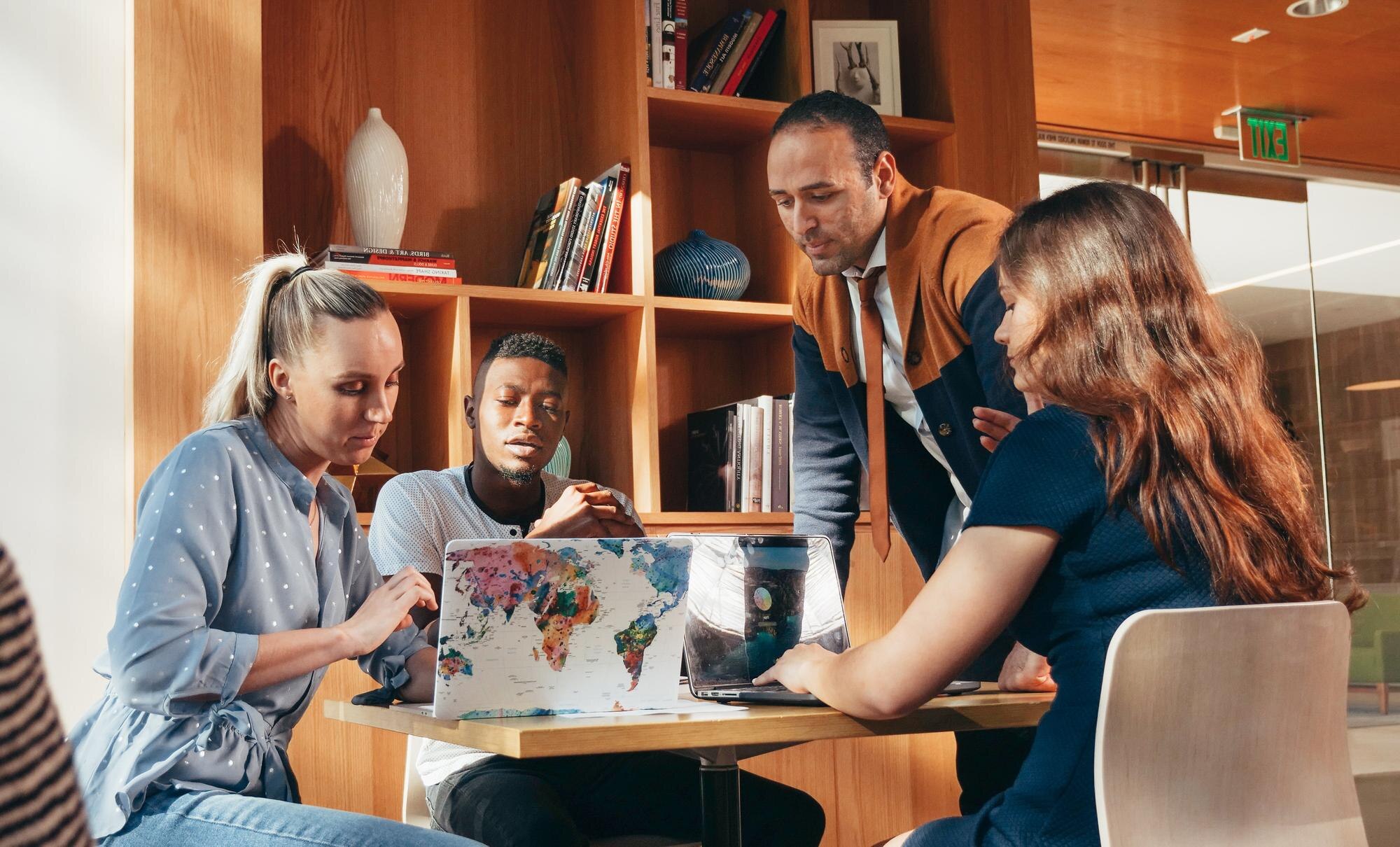
Families of gifted youth often need guidance to support their children effectively. Understanding cultural dynamics can provide parents and mentors with the tools they need to nurture their child’s development.
Practical Tools for Parents
Parents play a pivotal role in nurturing gifted youth. Providing them with practical tools rooted in cultural sensitivity can enhance their ability to support their child’s emotional and personal growth.
Regular family discussions: Create an open environment for expressing cultural experiences and insights.
Cultural immersion activities: Participate in cultural events together to broaden family awareness.
Resource sharing: Use books, articles, and workshops to educate the family on cultural sensitivity.
Overcoming Anxiety and Perfectionism
Gifted youth often face anxiety and perfectionism, challenges that can be mitigated through cultural sensitivity. Understanding cultural influences on these traits can provide new strategies for support.
Identify cultural pressure sources: Recognize how cultural expectations contribute to anxiety.
Encourage balanced achievement: Promote the idea that effort and learning are as valuable as success.
Implement stress-reduction techniques: Activities like mindfulness and breathing exercises can alleviate anxiety.
Incorporate these strategies to foster emotional growth and resilience in gifted youth. 🌟

A certified Heal Your Life® Coach with 20+ years in education and emotional development. Supports gifted teens in navigating anxiety, perfectionism, and identity challenges, while equipping parents with practical tools for lasting transformation. Sessions blend emotional healing, mindset mastery, and strategic empowerment.



