
Empowering the Gifted: Strategies for Educators to Foster Resilience and Confidence
Gifted students face unique emotional hurdles, and as an educator, you know this all too well. The pressure to excel can often overshadow their need for emotional wellness. But what if you could change that narrative? Imagine creating an environment where resilience and confidence blossom in your classroom. This post offers practical strategies in gifted education, tailored to help you nurture these essential qualities in your students. Implement these strategies, and watch your gifted students transform before your eyes. Learn more about teaching gifted students here.
Building Emotional Wellness

Gifted students often grapple with emotional challenges that are distinct from their peers. This section delves into understanding these challenges, creating supportive environments, and encouraging emotional expression. Developing emotional wellness is a cornerstone in nurturing resilience and confidence.
Understanding Gifted Challenges
Gifted students face unique emotional challenges. Their heightened sensitivity and awareness can lead to anxiety and perfectionism. Understanding these challenges helps educators tailor their approaches. According to Edmentum, gifted students often experience stress due to high expectations.
Real-world examples show that when educators recognize and address these emotional challenges, gifted students thrive. For instance, a teacher noticed a student’s anxiety about performing perfectly. By acknowledging this and offering support, the student felt understood and began managing stress more effectively.
To better support these students, educators must:
Recognize signs of emotional distress.
Offer personalized support.
Encourage open communication.
Creating a Safe Space
Creating a safe space in the classroom is essential for supporting gifted students’ emotional wellness. When students feel secure, they are more likely to express themselves and take risks. According to Genie Academy, a nurturing environment fosters trust and openness.
Steps to create a safe space include:
Encouraging respectful communication among students.
Listening actively to students’ concerns and experiences.
Establishing clear boundaries and expectations.
In a case study, an educator implemented these strategies and noticed significant improvements in student engagement and willingness to participate.
Increased class participation.
Enhanced peer relationships.
Reduced anxiety levels.
Encouraging Emotional Expression
Gifted students benefit greatly from expressing their emotions. Encouraging emotional expression can help them manage stress and develop a positive self-image. The ESC of Central Ohio emphasizes the importance of emotional outlets in gifted education.
Real-world examples highlight the impact of emotional expression. A gifted student who struggled with frustration found relief through journaling and art. By expressing emotions, the student gained clarity and insight, leading to improved emotional wellness.
To foster emotional expression, educators can:
Provide opportunities for creative expression.
Encourage journaling or reflective writing.
Facilitate group discussions on emotional topics.
Strategies for Resilience
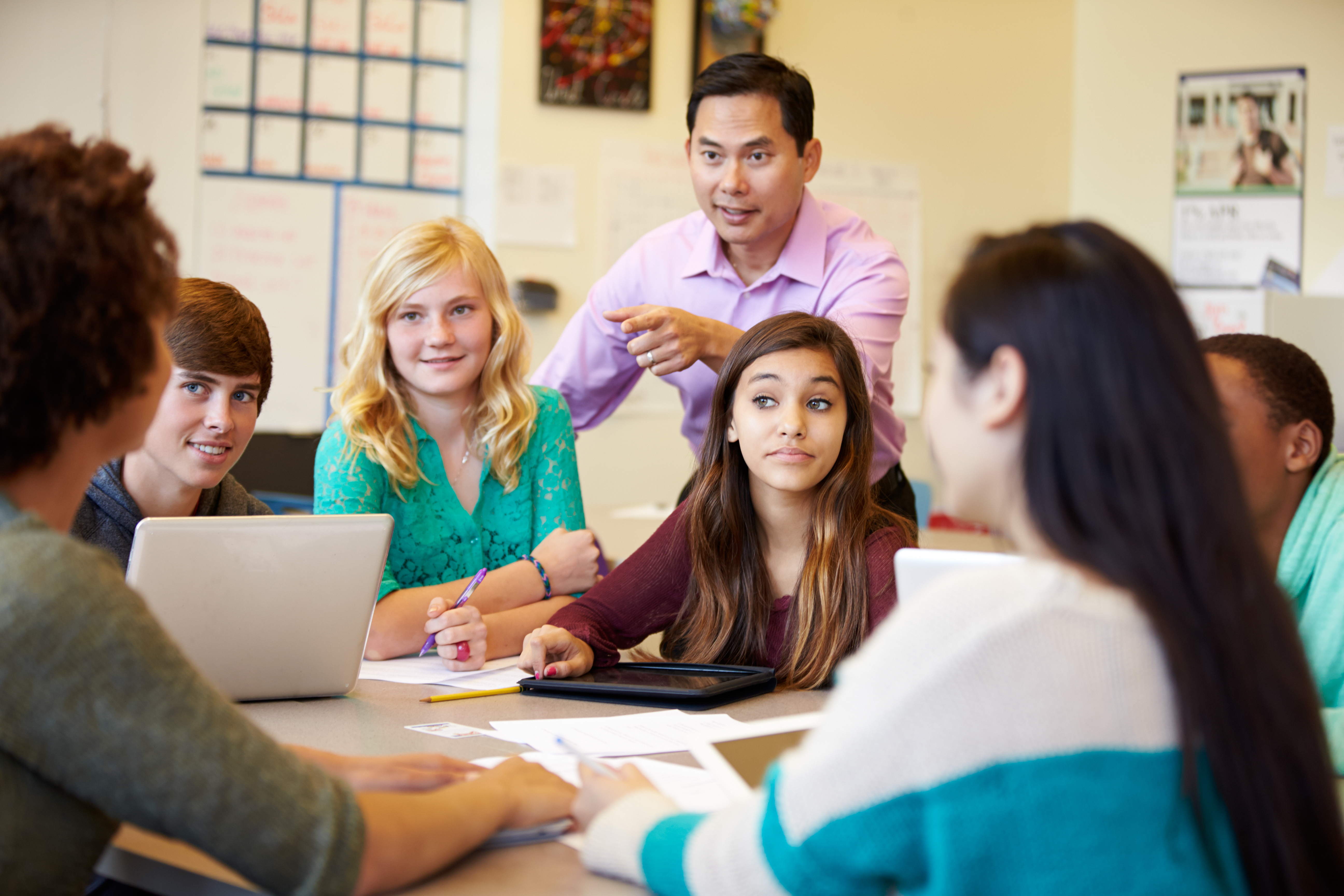
Developing resilience in gifted students empowers them to face challenges with confidence. This section explores strategies such as cultivating a growth mindset, enhancing problem-solving skills, and encouraging risk-taking. Building resilience is crucial for long-term success.
Developing a Growth Mindset
Adopting a growth mindset enables gifted students to view challenges as opportunities for growth. This mindset encourages perseverance and resilience. According to Gifted Challenges, promoting a growth mindset can transform students’ approaches to learning.
To develop a growth mindset:
Encourage students to embrace challenges.
Teach the value of effort and persistence.
Celebrate learning from mistakes.
In practice, educators who promote a growth mindset report increased student motivation and resilience.
Students are more willing to tackle difficult tasks.
They show greater persistence in problem-solving.
They develop a love for learning.
Fostering Problem-Solving Skills
Effective problem-solving skills are vital for resilience in students. Gifted students benefit from structured opportunities to hone these skills. The Genie Academy suggests that problem-solving activities enhance critical thinking and adaptability.
Steps to foster problem-solving skills:
Introduce complex, open-ended challenges.
Encourage collaborative problem-solving.
Provide feedback and guidance.
In a case study, an educator incorporated problem-solving tasks into the curriculum, leading to:
Improved critical thinking abilities.
Greater student engagement.
Enhanced teamwork and collaboration.
Encouraging Risk-Taking
Encouraging risk-taking helps gifted students build resilience by stepping out of their comfort zones. Taking risks can lead to valuable learning experiences and increased confidence. According to Gifted Challenges, risk-taking is essential for personal growth.
Real-world examples show the benefits of risk-taking. A student who was initially hesitant to participate in debates gained confidence through encouragement and support. By taking risks, the student developed a stronger sense of self-assurance.
To encourage risk-taking, educators can:
Create a supportive environment for trying new things.
Praise efforts rather than just outcomes.
Offer opportunities for safe experimentation.
Confidence Building Techniques
Building confidence in gifted students involves celebrating achievements, setting attainable goals, and fostering supportive peer networks. Confidence is integral to a successful educational journey. This section provides practical techniques for empowering gifted students.
Celebrating Small Wins
Celebrating small wins is crucial in building confidence. Recognizing achievements, no matter how minor, reinforces students’ self-esteem. According to Edmentum, celebrating progress motivates students to continue striving.
In practice, educators can:
Praise students for effort and improvement.
Highlight personal growth over time.
Share successes with the class to inspire others.
Real-world examples show that recognizing small wins leads to:
Boosted student morale.
Increased motivation and engagement.
Positive classroom atmosphere.
Setting Realistic Goals
Setting realistic goals is vital for confidence building. Goals should be challenging yet attainable to prevent discouragement. The ESC of Central Ohio highlights the importance of goal-setting in gifted education.
Steps to set realistic goals:
Discuss with students to identify their strengths and interests.
Break large goals into smaller, manageable steps.
Monitor progress and adjust goals as needed.
In a case study, an educator helped students set and achieve personal goals, resulting in:
Increased self-confidence.
Enhanced focus and determination.
Greater sense of accomplishment.
Building Peer Support Networks
Building peer support networks is essential for fostering confidence and emotional wellness. Strong peer relationships provide students with encouragement and understanding. According to the ESC of Central Ohio, supportive networks contribute to students’ overall well-being.
In practice, educators can:
Facilitate group activities to build connections.
Encourage peer mentoring and support.
Create opportunities for collaborative learning.
Real-world examples show the positive effects of peer support:
Students feel more connected and supported.
Reduced feelings of isolation.
Increased collaboration and teamwork.
These strategies and insights are instrumental in empowering gifted students and nurturing their emotional and mental well-being. Implement these techniques and watch your students flourish. 🌟

A certified Heal Your Life® Coach with 20+ years in education and emotional development. Supports gifted teens in navigating anxiety, perfectionism, and identity challenges, while equipping parents with practical tools for lasting transformation. Sessions blend emotional healing, mindset mastery, and strategic empowerment.