Cultural Sensitivity: A Key to Unlocking the Potential of Gifted Youth
Imagine a world where gifted youth thrive not just academically, but emotionally too. Cultural sensitivity is the key that unlocks this potential, fostering personal growth like never before. By understanding diverse backgrounds, parents and educators can nurture emotional growth, paving the way for gifted youth to flourish. Ready to empower your child with the tools they need for emotional resilience and self-love? Explore our insights and learn more about how embracing cultural sensitivity can transform their journey.
Importance of Cultural Sensitivity
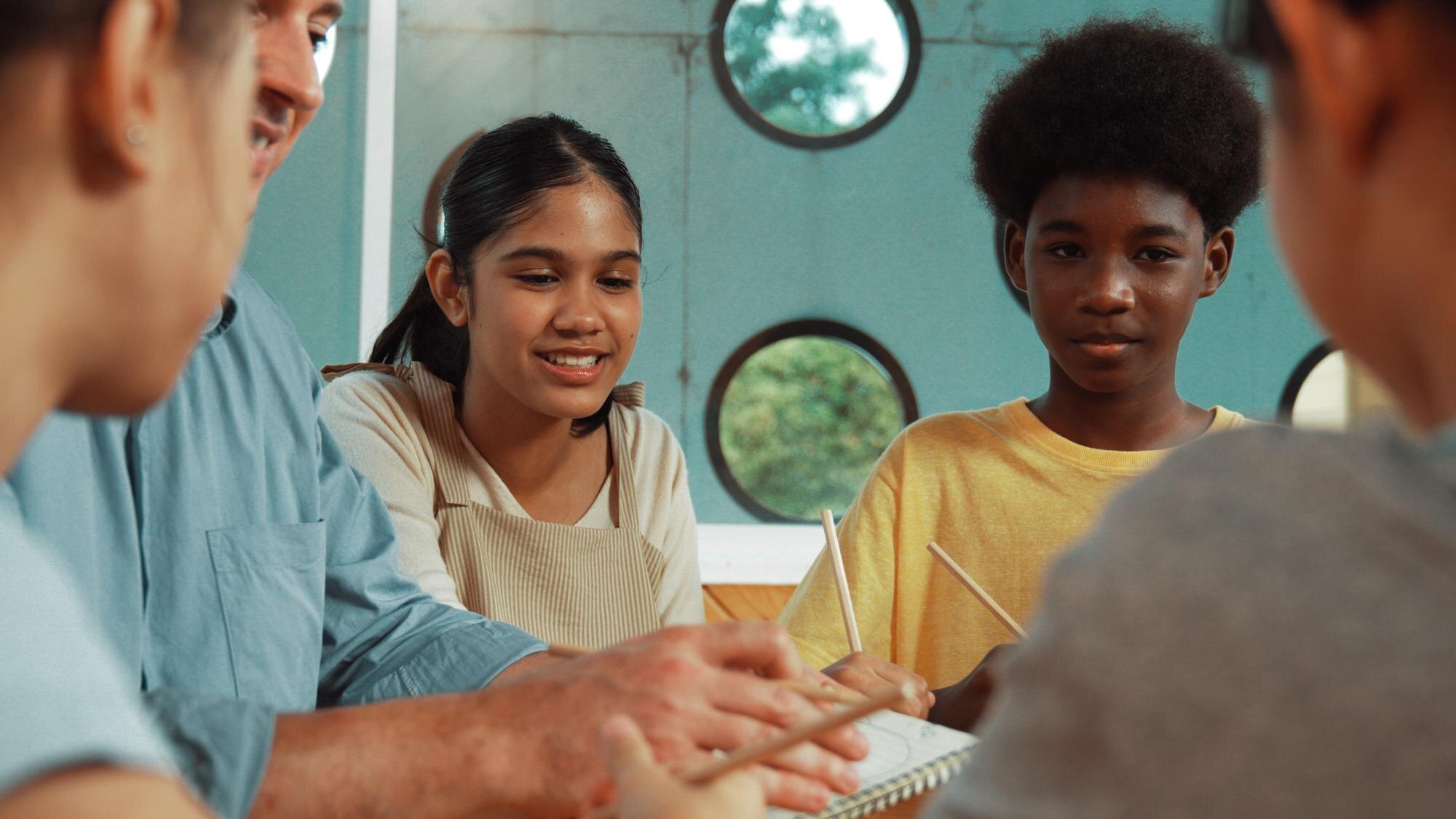
Cultural sensitivity is essential for developing emotional intelligence and personal growth in gifted youth. By understanding diverse backgrounds, educators and parents can better support emotional wellness. This section explores the crucial elements of cultural sensitivity and its impact on emotional growth.
Understanding Diverse Backgrounds
To foster cultural sensitivity, it is important to grasp the nuances of diverse backgrounds. Understanding involves appreciating the unique cultural contexts that shape a gifted youth’s experiences and perspectives.
Learn about different cultures: Educators and parents should seek resources like culturally responsive classrooms to become more informed.
Engage in open dialogues: Encourage conversations that allow gifted youth to share their backgrounds and experiences.
Incorporate cultural elements into learning: Use diverse materials and examples that resonate with various cultural groups.
A real-world example is a school program that integrates cultural stories into the curriculum, allowing students to connect personally to the lessons. This approach enhances engagement and understanding among students from different backgrounds.
Enhancing Emotional Growth
By prioritizing cultural sensitivity, we can significantly enhance the emotional growth of gifted youth. Emotional development is closely tied to how well a child can relate to their own and others’ cultural identities.
Empathy and understanding are at the core of emotional growth. Encouraging children to embrace their own backgrounds while respecting others fosters a more inclusive environment.
Support systems: Schools can implement peer-support networks where students from similar backgrounds provide emotional support to one another.
Educators can benefit from resources like Why Cultural Awareness to gain insights into building supportive environments.
A study from SAGE Journals highlights that students who feel understood in their cultural contexts show higher levels of emotional resilience.
Coaching Gifted Youth

Gifted youth coaching is an effective approach to nurture the emotional and personal development of children. By integrating cultural sensitivity into coaching strategies, mentors can provide more comprehensive support.
Personal Development Strategies
Personal development for gifted youth involves tailored strategies that recognize the unique needs of each individual.
Set personal goals: Encourage students to set realistic, culturally relevant goals.
Provide culturally relevant resources: Use materials that align with students’ backgrounds and interests.
Include family in the process: Family involvement can reinforce personal development strategies at home.
An example involves a mentor working with a student to identify culturally significant achievements as part of their development plan, thereby boosting motivation.
Emotional Resilience Tools
Developing emotional resilience is crucial for gifted youth to handle stress and challenges effectively. Here are some tools to consider:
Mindfulness techniques: Encourage practices like meditation that respect cultural traditions.
Role-playing exercises: Use scenarios that reflect cultural diversity to build problem-solving skills.
Reflective journals: Encourage keeping journals that explore personal and cultural identities.
According to Nariman Patel, integrating cultural sensitivity into coaching strengthens emotional resilience by providing a sense of belonging and understanding.
Empowering Parents and Educators
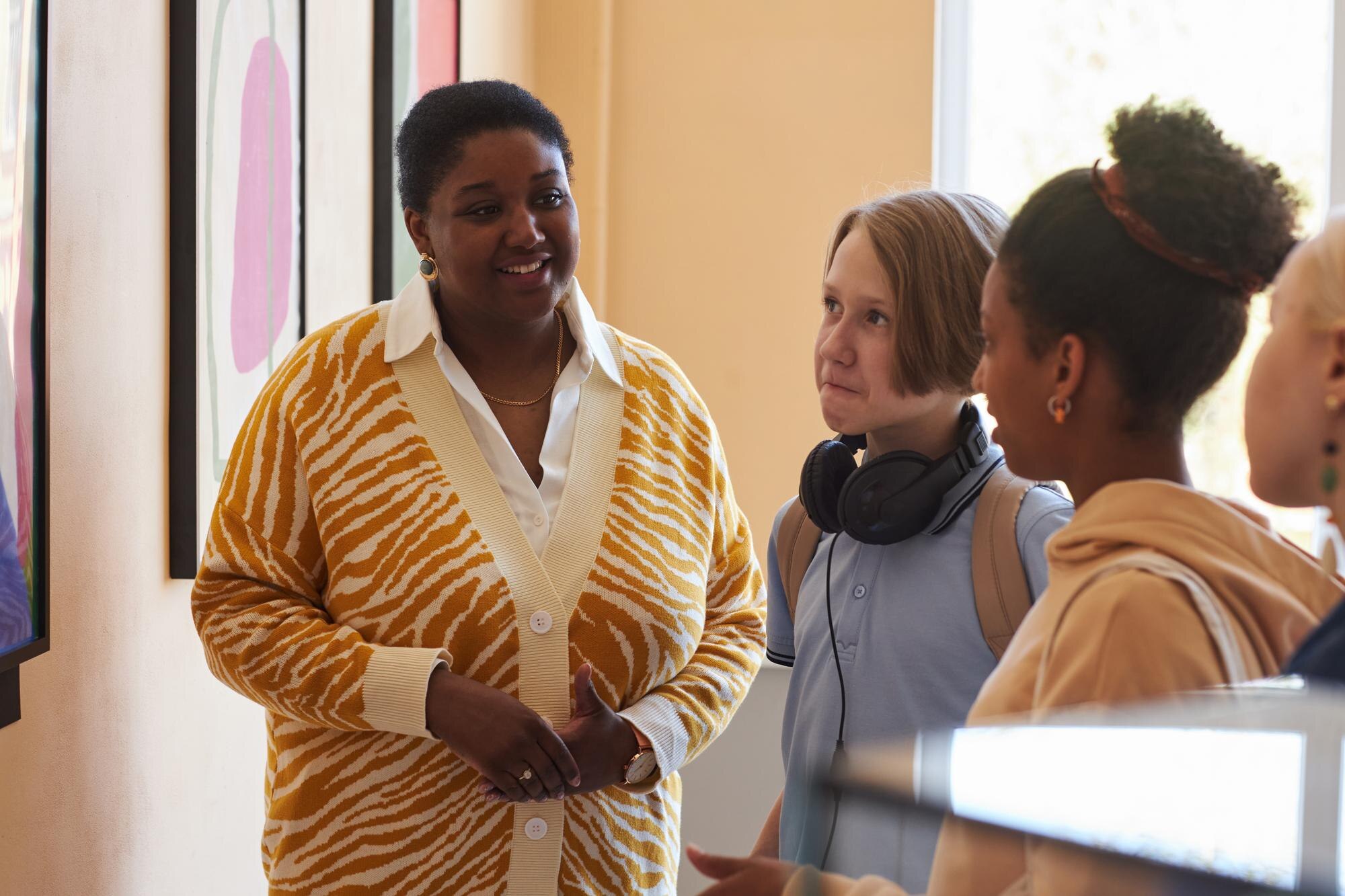
Empowering parents and educators to support gifted youth involves providing them with the tools to address emotional and personal development challenges. This section discusses ways to enhance emotional wellness and confidence in gifted children.
Supporting Emotional Wellness
Supporting emotional wellness requires a proactive approach from both parents and educators.
Open communication: Encourage regular discussions about emotions and cultural identity.
Workshops and seminars: Attend events that focus on cultural sensitivity and emotional wellness.
Build a supportive community: Create networks where parents and educators share strategies and resources.
Case studies show that schools with strong community support promote better emotional outcomes for students.
Fostering Self-Love and Confidence
Fostering self-love and confidence in gifted youth is paramount for their overall well-being.
Celebrate cultural identity: Recognize and celebrate each child’s cultural achievements and heritage.
Positive reinforcement: Use affirmations that acknowledge and validate cultural uniqueness.
Role models: Introduce students to diverse role models who share their cultural backgrounds.
A community project that pairs students with mentors from similar cultural backgrounds has shown to increase confidence and self-love among participants.
These strategies equip parents and educators with the knowledge and tools to effectively support the emotional and personal development of gifted youth, creating a nurturing environment for growth. 🌱

A certified Heal Your Life® Coach with 20+ years in education and emotional development. Supports gifted teens in navigating anxiety, perfectionism, and identity challenges, while equipping parents with practical tools for lasting transformation. Sessions blend emotional healing, mindset mastery, and strategic empowerment.