
Group Of Multi-Cultural Students With Teachers In Classroom Putting Hand Up To Answer Question
Empowering Gifted Students: Top Strategies for Educators to Foster Resilience and Confidence
Gifted students face unique challenges that can overshadow their exceptional abilities. You might see them battle anxiety, perfectionism, or even self-doubt. Yet, these hurdles can be stepping stones to resilience and confidence with the right support. In this guide, discover impactful educational strategies designed to nurture the emotional and academic well-being of gifted students. You’ll find tools to transform your classroom into a sanctuary of growth and self-discovery. Ready to make a difference? Let’s journey into empowering gifted teens together.
Understanding Gifted Education

Gifted education involves recognizing and nurturing the unique talents and needs of students who exhibit high potential. These students require specialized strategies to thrive both emotionally and academically. By understanding the challenges they face and the importance of emotional well-being, educators can better support gifted teens.
Challenges Faced by Gifted Students
Gifted students often encounter unique challenges in their educational journey. Anxiety, perfectionism, and social isolation are common obstacles. Their heightened sensitivity can lead to experiences of emotional intensity and stress.
Many gifted students struggle with the pressure to meet high expectations. This pressure can stem from both internal desires to succeed and external demands from peers, parents, and educators. Such expectations can contribute to anxiety and a fear of failure.
According to Edmentum, one way to address these challenges is by fostering open communication. Encouraging students to express their feelings can significantly impact their emotional health.
Creating opportunities for gifted students to engage in activities that match their interests can also alleviate feelings of isolation. These activities provide a platform for connection with like-minded peers, reducing feelings of loneliness.
Impact of Emotional Well-being
The emotional well-being of gifted students is paramount to their overall success. Emotional struggles can hinder academic performance and personal growth. Addressing these needs is essential for fostering resilience and confidence.
When gifted students feel emotionally supported, they are more likely to take risks and embrace challenges. This sense of security can enhance their ability to learn from mistakes and develop resilience.
Genie Academy emphasizes the importance of nurturing emotional intelligence. Teaching students to identify and manage their emotions can lead to improved self-regulation and reduced stress.
Resilience in students can be bolstered through mindfulness practices. Techniques such as deep breathing and meditation can aid students in managing anxiety and maintaining focus.
Educators can play a pivotal role by creating a learning environment that prioritizes emotional well-being. This involves incorporating social-emotional learning into the curriculum and providing resources for emotional support.
Strategies for Building Resilience

Building resilience in gifted students involves equipping them with skills to navigate life’s challenges effectively. Resilience can be fostered through intentional strategies that emphasize growth and adaptability.
Encouraging Growth Mindset
A growth mindset is the belief that abilities can be developed through dedication and hard work. This mindset can significantly impact a student’s approach to learning and challenges.
Model resilience by sharing personal stories of overcoming obstacles. This demonstrates that setbacks are a natural part of growth.
Reframe failure as a learning opportunity. Encourage students to view mistakes as a chance to improve and learn.
Praise effort rather than innate ability. Highlighting effort reinforces the value of persistence and hard work.
According to Gifted Challenges, fostering a growth mindset in students can reduce the fear of failure. This mindset encourages them to tackle new challenges with confidence.
Real-world examples of successful individuals who embrace a growth mindset can inspire students to adopt similar attitudes. Sharing stories of perseverance can motivate students to remain resilient in the face of adversity.
Coping with Perfectionism
Perfectionism can be a double-edged sword for gifted students. While it may drive them to excel, it can also lead to stress and burnout. Addressing perfectionism is crucial for building resilience.
Gifted students often set unrealistically high standards for themselves. This can result in a fear of failure and avoidance of challenging tasks. Educators can help by teaching students to set realistic goals and embrace imperfection.
Encourage students to celebrate small victories and progress.
Provide constructive feedback that focuses on improvement rather than critique.
Cultivate an environment where mistakes are seen as valuable learning experiences.
ESCCO suggests incorporating mindfulness practices to help students manage stress. Mindfulness can promote self-awareness and reduce the pressure associated with perfectionism.
By addressing perfectionism, educators can empower students to take risks and pursue their passions without fear. This resilience will serve them well in both academic and personal pursuits.
Confidence Building Techniques
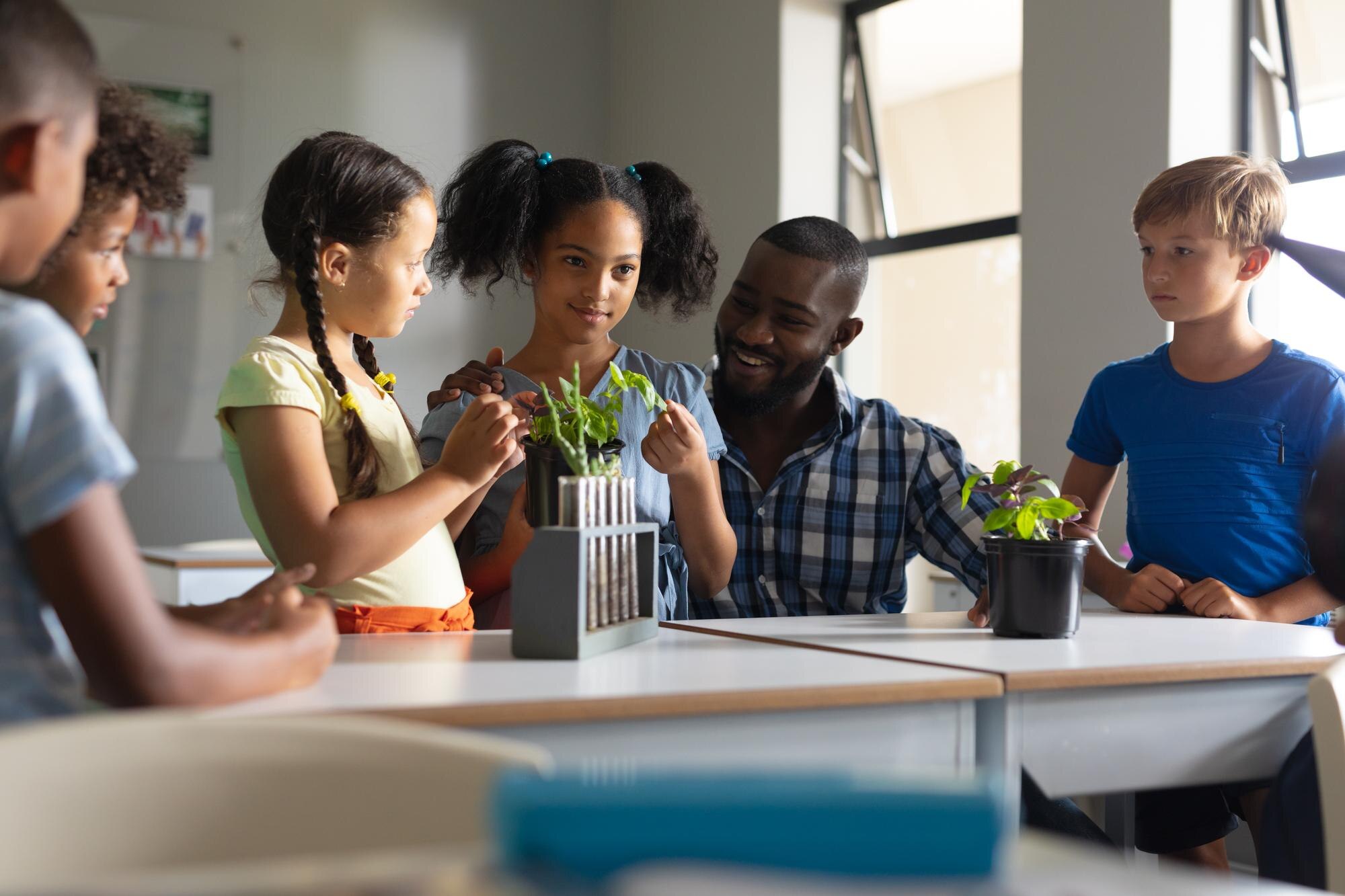
Confidence building is essential for gifted students to fully realize their potential. By creating a supportive environment and encouraging self-advocacy, educators can foster a sense of empowerment.
Creating a Supportive Environment
A supportive environment is critical for nurturing confidence in gifted students. Such an environment encourages risk-taking and fosters a sense of belonging.
Build trust by establishing open lines of communication. Encourage students to voice their thoughts and concerns.
Create inclusive spaces where diversity is celebrated, and all students feel valued.
Promote collaboration through group activities that emphasize teamwork and mutual respect.
Gifted Challenges highlights the importance of mentorship programs. Pairing students with mentors who understand their unique challenges can provide much-needed guidance and support.
Real-world examples of supportive environments can illustrate the positive impact on student confidence. When students feel supported, they are more likely to take initiative and pursue new opportunities.
Promoting Self-Advocacy Skills
Self-advocacy is the ability to understand and communicate one’s needs and rights. This skill is crucial for gifted students to navigate their educational journey confidently.
Educators can encourage self-advocacy by teaching students how to articulate their thoughts and feelings effectively. Role-playing scenarios can provide practice in expressing needs assertively.
Emphasize the importance of self-awareness in recognizing personal strengths and challenges.
Encourage students to seek help when needed and to be active participants in their learning.
Provide opportunities for students to make choices and decisions, fostering independence.
Genie Academy suggests that self-advocacy can lead to increased confidence and a sense of empowerment. Students who advocate for themselves are more likely to engage actively in their education.
By promoting self-advocacy skills, educators can equip gifted students with the tools they need to thrive. This empowerment will not only benefit their academic pursuits but also their future endeavors.

A certified Heal Your Life® Coach with 20+ years in education and emotional development. Supports gifted teens in navigating anxiety, perfectionism, and identity challenges, while equipping parents with practical tools for lasting transformation. Sessions blend emotional healing, mindset mastery, and strategic empowerment.



