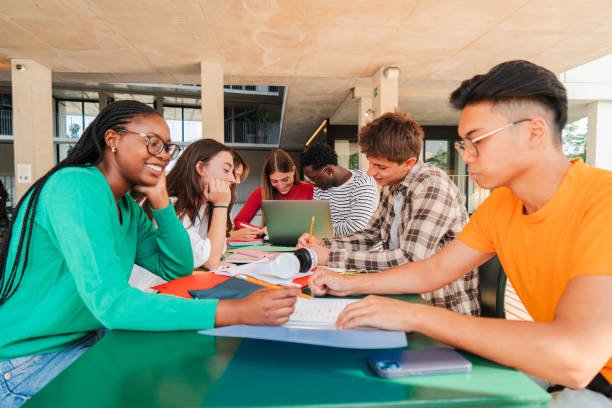
Happy multiracial group of high school students working together, sitting at library with notebooks, writing and using a laptop to search information. Young teenagers studying exams at university. High quality photo
Empowering the Gifted: Strategies for Educators to Foster Resilience and Confidence
Gifted students often feel trapped under the weight of expectations, struggling to find their footing in a world that demands so much. You see their potential, but how do you help them build the resilience and confidence they need to truly shine? In this post, we’ll explore practical educator strategies that empower these extraordinary learners to thrive, both emotionally and academically. Through a mix of tried-and-true approaches and fresh insights, learn how you can make a lasting impact on their journey. Join us and transform the way you support your gifted students.
Building Emotional Resilience
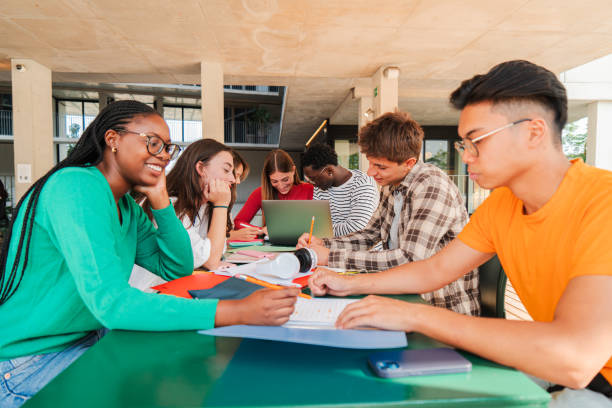
Building emotional resilience in gifted students is crucial for helping them manage stress and thrive. Resilience acts as a buffer against the pressures and high expectations they often face, enabling them to handle setbacks effectively.
Understanding Emotional Needs
Understanding the emotional needs of gifted students requires keen observation and empathy. These students often experience intense emotions, which can be both a gift and a challenge. Their heightened sensitivity can lead to feelings of isolation or anxiety.
Gifted students may struggle with perfectionism, which can stifle their willingness to take risks. By acknowledging these emotional complexities, educators can tailor their support strategies to better meet students’ needs.
Furthermore, recognizing the diversity within gifted populations is essential. Emotional needs vary widely, and a one-size-fits-all approach is seldom effective. Instead, individualized support can help address specific challenges, fostering resilience.
Creating a Safe Learning Environment
Creating a safe learning environment is foundational for building resilience in education. A supportive classroom atmosphere encourages gifted students to express themselves freely without fear of judgment.
Encourage open communication: Allow students to voice concerns and share their thoughts.
Promote inclusivity: Ensure every student feels valued and respected, regardless of their abilities.
Provide structured support: Offer resources and guidance tailored to individual needs.
Gifted students thrive in environments where they feel secure. Trust and understanding between educators and students are vital for nurturing emotional well-being. By fostering a positive atmosphere, students feel more comfortable taking academic and emotional risks.
Confidence Building Techniques

Confidence building is a critical component in the development of gifted students. It enables them to embrace challenges and pursue goals with determination and self-assurance.
Encouraging Self-Reflection
Encouraging self-reflection helps students understand their strengths and areas for growth. This practice fosters a deeper awareness of their emotions and thought processes.
Journaling is an effective tool for self-reflection. Gifted students can use journals to track their progress, express feelings, and set personal goals. This process encourages introspection and personal growth.
Self-reflection helps students to evaluate their achievements honestly. It allows them to celebrate successes while constructively addressing setbacks, boosting confidence and resilience.
Celebrating Small Wins
Celebrating small wins is crucial in confidence building. Recognizing minor achievements can lead to larger successes over time.
Gifted students may overlook small victories in favor of grand achievements. Educators can help by highlighting these moments and reinforcing their importance.
Set achievable goals: Break larger tasks into smaller steps.
Acknowledge progress: Celebrate each step completed along the way.
Provide positive feedback: Offer specific praise that reinforces effort and resilience.
By focusing on incremental progress, educators can help students build a robust foundation of self-confidence.
Providing Emotional Support

Providing emotional support helps gifted students navigate their complex emotional landscapes. This support is vital for developing resilience and confidence.
Effective Communication Strategies
Effective communication strategies are essential for supporting gifted students emotionally. Open and honest dialogue allows students to feel heard and understood.
Active listening is a key component. Educators should practice listening attentively and responding empathetically to students’ concerns. This approach fosters trust and openness.
Additionally, clear and consistent communication helps students feel secure. By establishing regular check-ins, educators can gauge emotional well-being and provide timely support.
Connecting with Families
Connecting with families is integral to providing holistic support for gifted students. Collaboration between educators and parents ensures a cohesive approach to emotional development.
By maintaining open lines of communication, educators can share insights and strategies with parents. This partnership provides students with a consistent support network.
Schedule regular meetings: Discuss student progress and address any concerns with parents.
Share resources: Provide families with tools and strategies for supporting emotional growth.
Encourage involvement: Invite parents to participate in school activities and initiatives.
For more insights, explore resources from NAGC, Psychology Perspective, Kaltman Law, and Louisiana Curriculum. These links offer valuable strategies for fostering resilience and confidence in gifted students.

A certified Heal Your Life® Coach with 20+ years in education and emotional development. Supports gifted teens in navigating anxiety, perfectionism, and identity challenges, while equipping parents with practical tools for lasting transformation. Sessions blend emotional healing, mindset mastery, and strategic empowerment.



