
Caucasian teen girl speaking about her feelings and emotions during group therapy session at school, copy space
Cultural Sensitivity: A Key to Unlocking Potential in Gifted Youth
Gifted teens often face unique emotional challenges that can leave parents feeling overwhelmed and unsure how to help. Imagine if cultural sensitivity could bridge this gap, enhancing their emotional intelligence and personal growth. By embracing cultural sensitivity in coaching, you can unlock a world where your gifted teen thrives emotionally. This blog will show you the powerful impact of integrating cultural sensitivity into your support system. Join our community to learn more about creating a nurturing environment for your gifted teen. Read more here.
Cultural Sensitivity in Coaching

Cultural sensitivity plays a crucial role in guiding gifted youth toward emotional intelligence and personal growth. This section explores how cultural awareness can bridge emotional gaps and enhance emotional intelligence.
Bridging Emotional Gaps
Cultural sensitivity helps bridge emotional gaps by acknowledging and respecting the diverse backgrounds of gifted teens. This awareness creates a more inclusive environment where teens feel understood and valued. Imagine a gifted teen navigating a classroom where their cultural identity is not acknowledged. This lack of recognition can lead to feelings of isolation and stress.
Real-world example: A gifted student from a minority culture may struggle to connect with peers due to cultural misunderstandings. By incorporating cultural sensitivity, educators can facilitate more meaningful interactions.
Educators and parents can foster this understanding by learning about different cultures and incorporating diverse perspectives into their teaching methods. By doing so, they create an environment where gifted teens feel connected and appreciated.
For more insights, explore this study on the impact of cultural sensitivity in education.
Enhancing Emotional Intelligence
Cultural sensitivity directly enhances emotional intelligence by helping gifted youth understand and manage their emotions. Emotional intelligence involves recognizing and regulating one’s emotions while empathizing with others.
Conceptual explanation: Emotional intelligence is not static; it can be developed through intentional practices and awareness.
By integrating cultural perspectives, gifted teens learn to appreciate diverse viewpoints, which fosters empathy and social awareness. This growth in empathy enhances their emotional intelligence, allowing them to navigate complex social interactions effectively.
For more on the role of cultural sensitivity in emotional intelligence, this resource offers further reading.
Empowering Personal Growth
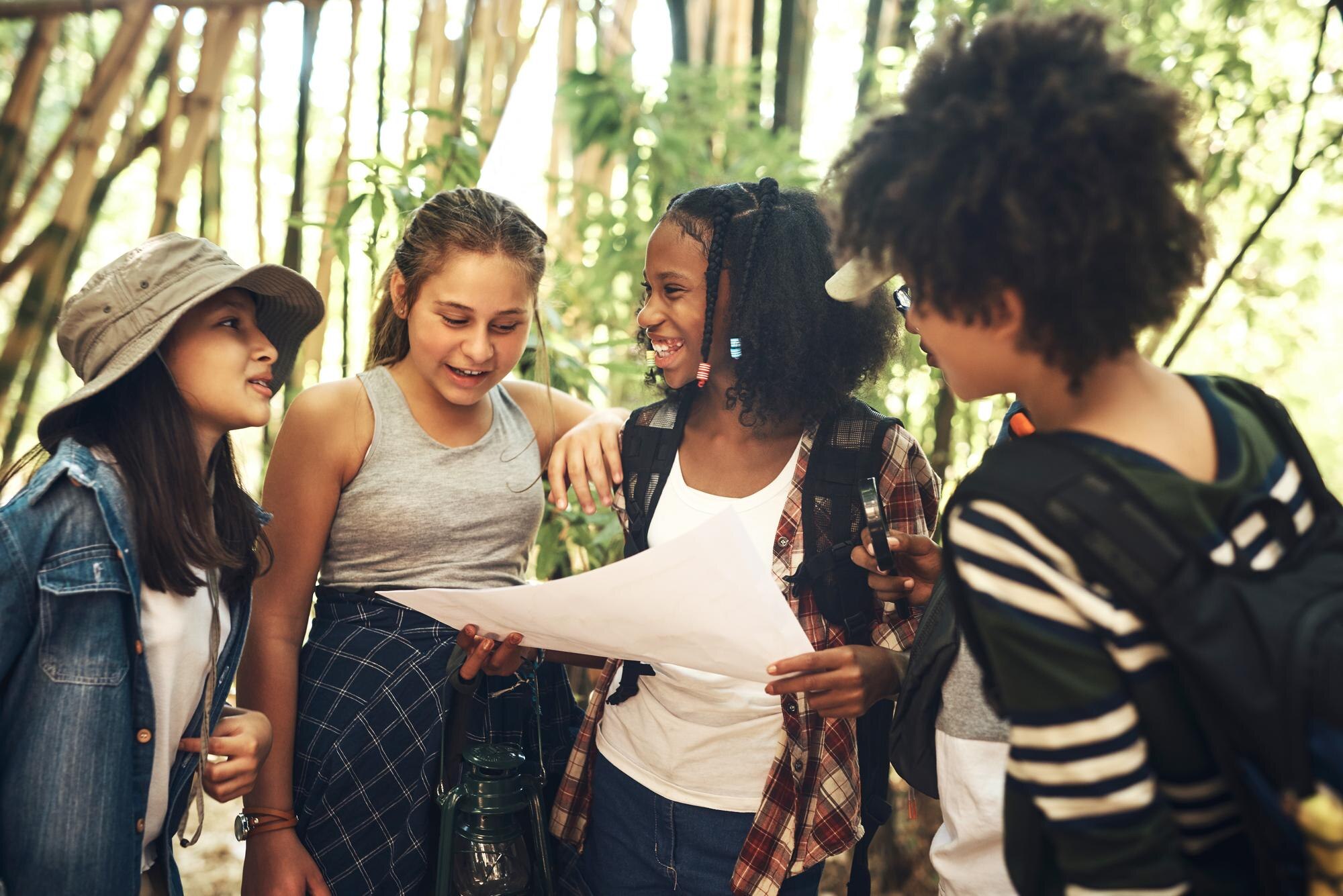
Empowering personal growth in gifted youth involves strategic support from parents and educators. This section offers strategies to overcome anxiety and perfectionism, common challenges faced by gifted teens.
Strategies for Parents and Educators
Parents and educators can play pivotal roles in empowering personal growth. Here are some strategies to consider:
Educate Yourself: Understand the unique needs and challenges of gifted youth by reading literature on gifted education such as this article.
Provide Emotional Support: Encourage open communication, allowing teens to express their feelings without judgment.
Set Realistic Expectations: Help teens set achievable goals, fostering a sense of accomplishment without the pressure of perfectionism.
By employing these strategies, parents and educators can create a supportive framework that nurtures the personal growth of gifted youth.
Overcoming Anxiety and Perfectionism
Gifted teens often grapple with anxiety and perfectionism, impacting their emotional well-being. To address these issues, consider the following actionable advice:
Encourage Mindfulness Practices: Help teens practice mindfulness or meditation to reduce stress and improve focus.
Promote Balanced Schedules: Encourage a balance between academic responsibilities and leisure activities to prevent burnout.
Support Peer Connections: Facilitate group activities where gifted teens can interact with peers facing similar challenges.
These approaches can significantly reduce anxiety and perfectionism, promoting a healthier mindset for gifted teens.
For more information, see this blog on the importance of supporting diverse gifted youth.
Building a Supportive Community

Creating a supportive community for gifted teens involves engaging with workshops and fostering nurturing environments. This section delves into the importance of community in emotional and personal development.
Engaging with Workshops and Resources
Engaging with workshops and resources offers parents and educators the tools needed to support gifted teens effectively. Here are key insights on how workshops can aid in this process:
Real-world example: Workshops on cultural sensitivity can provide practical tools for understanding and supporting diverse gifted youth.
By participating in workshops, parents and educators can gain valuable insights, fostering a deeper understanding of cultural differences and emotional challenges.
Explore our workshops on cultural sensitivity and emotional wellness for more resources.
Fostering a Nurturing Environment
Building a nurturing environment is crucial for the development of gifted youth. Here are steps to create such an environment:
Promote Inclusivity: Encourage an atmosphere where all cultural backgrounds are valued.
Encourage Open Dialogue: Create spaces where gifted teens can express themselves freely.
Celebrate Diversity: Recognize and celebrate the unique qualities each teen brings to the community.
By fostering a nurturing environment, parents and educators can ensure that gifted youth feel supported and empowered to achieve their full potential.
🌟

A certified Heal Your Life® Coach with 20+ years in education and emotional development. Supports gifted teens in navigating anxiety, perfectionism, and identity challenges, while equipping parents with practical tools for lasting transformation. Sessions blend emotional healing, mindset mastery, and strategic empowerment.



