
Group of three diverse students focusing on studies in cozy living room with casual seating, books, and notebooks. Each student concentrated on individual task while sitting comfortably
Navigating the Emotional Maze: Empowering Gifted Teens to Overcome Challenges
Gifted teens often face a whirlwind of emotions that can feel overwhelming. You see them grappling with anxiety, perfectionism, and the weight of high expectations. But there’s hope. By embracing strategies that foster emotional intelligence and resilience, you can transform these challenges into personal growth. Dive into this guide to discover how you, as a parent or educator, can support gifted teens in their emotional journey. Ready to empower your teen? Let’s navigate this maze together. For more information, check out this guide on understanding emotional sensitivity in gifted children.## Understanding Gifted Teens’ Emotions

Gifted teens often navigate a complex emotional landscape. Understanding the unique challenges they face is crucial in providing effective support. This section delves into common emotional hurdles, the impact of high expectations, and the intertwined roles of anxiety and perfectionism in their lives.
Common Emotional Challenges
Gifted teens frequently encounter emotional challenges that others may overlook. Heightened sensitivity, for example, can make everyday interactions feel intense. Loneliness and a sense of not belonging are also common, as these teens may struggle to find peers who understand their unique experiences.
Emotional intensity: Gifted teens often experience emotions more deeply, which can lead to overwhelming feelings.
Social isolation: Their unique thought processes can make them feel disconnected from their peers.
Perfectionism and fear of failure: These traits can hinder their ability to take risks and try new things.
Real-world examples reveal that teachers and parents often underestimate these challenges, leading to gaps in support. By acknowledging these emotional hurdles, we can better address them.
Impact of High Expectations
The high expectations placed on gifted teens can have significant emotional impacts. Pressure to excel academically and socially often leads to stress. This stress can manifest in various ways, including anxiety and burnout.
Academic pressure: Gifted teens are expected to perform at high levels consistently, which can be exhausting.
Social expectations: They may feel the need to conform to peer and societal expectations, adding to their stress.
Parental pressure: Parents may unintentionally contribute to this stress by setting high standards.
A balanced approach is necessary, where expectations are aligned with the teen’s interests and capabilities. To learn more about managing these expectations, consider reading this resource.
Role of Anxiety and Perfectionism
Anxiety and perfectionism are prevalent in gifted teens, often acting as double-edged swords. While these traits can motivate success, they can also lead to emotional distress. The fear of not meeting self-imposed standards can be crippling.
Anxiety: Gifted teens may worry excessively about their performance and future.
Perfectionism: Striving for flawlessness can prevent them from engaging in activities where they might not excel immediately.
Self-criticism: They often blame themselves harshly for perceived failures.
Understanding these dynamics is key to helping gifted teens manage stress and build resilience. For further insights, explore this study.
Strategies for Emotional Growth
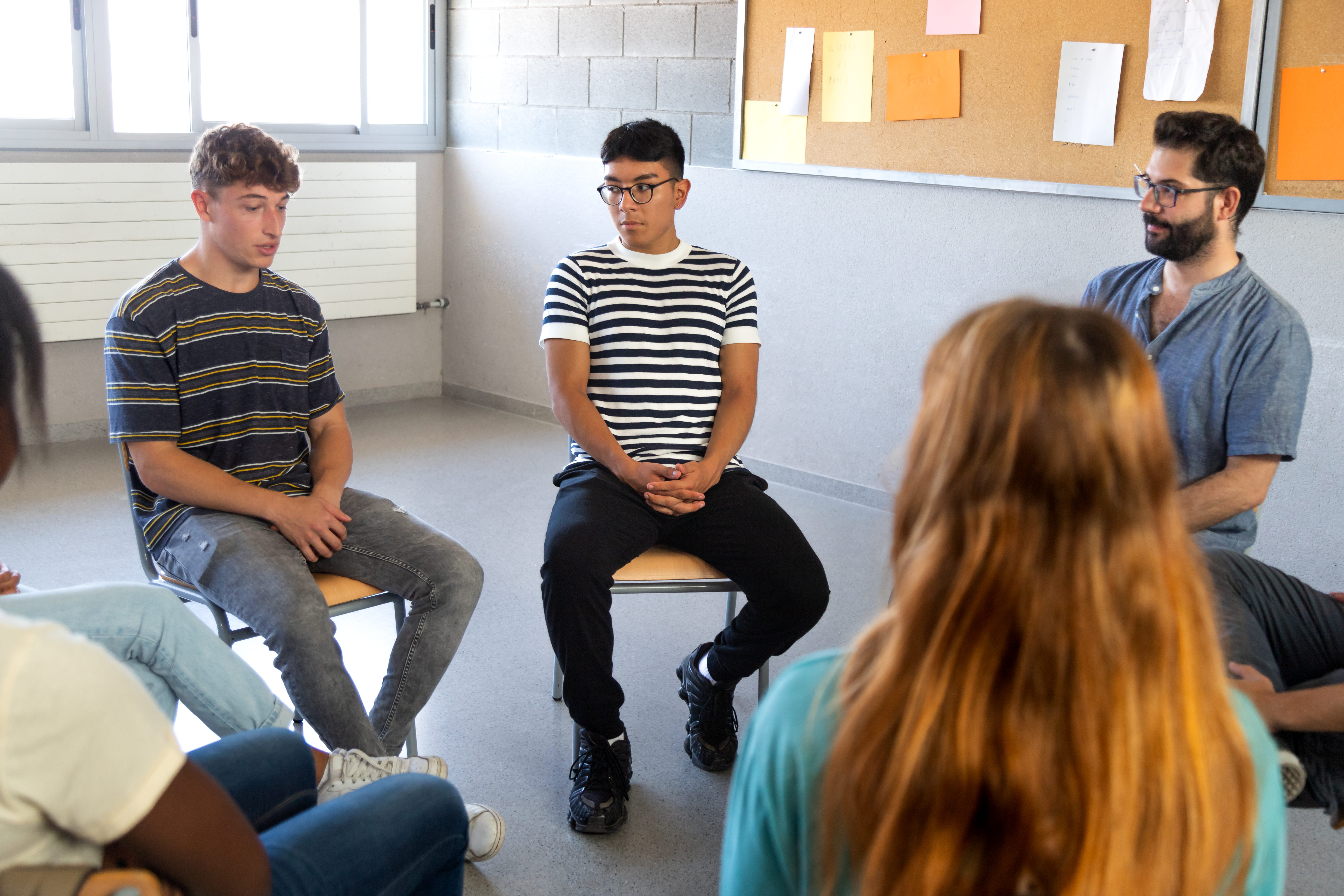
Fostering emotional growth in gifted teens involves a multifaceted approach. This section introduces strategies to build emotional intelligence, develop resilience, and enhance parent support, providing a roadmap for nurturing well-rounded emotional development.
Building Emotional Intelligence
Building emotional intelligence is crucial for gifted teens to navigate their emotional challenges. It involves recognizing, understanding, and managing their emotions effectively. This self-awareness helps in building healthier relationships and boosting mental wellness.
Self-awareness: Encourage reflection on emotional responses to various situations.
Empathy: Teach them to consider others’ perspectives and feelings.
Emotion regulation: Provide tools for managing intense emotions constructively.
Case studies show that teens with high emotional intelligence tend to cope better with stress and are more adaptable. This skill set is crucial for personal growth and emotional well-being. For comprehensive strategies, check out this resource.
Developing Resilience in Teens
Resilience is the ability to bounce back from setbacks. It’s a vital trait for gifted teens facing emotional challenges. By fostering resilience, they can learn to handle adversity more effectively, promoting both emotional and personal growth.
Problem-solving skills: Encourage teens to face challenges head-on and find solutions.
Positive mindset: Help them reframe failures as opportunities for learning.
Support networks: Foster connections with peers and mentors who understand their experiences.
Parents and educators play a critical role in nurturing resilience by providing a supportive environment. For more insights, refer to this publication.
Fostering Parent Support
Parental support is essential in guiding gifted teens through their emotional journey. Parents can help create a safe space for open communication, fostering trust and understanding.
Active listening: Be present and attentive when teens express their feelings.
Encouragement: Recognize their achievements and efforts, not just outcomes.
Resource provision: Seek professional guidance when needed to address emotional challenges.
By adopting these practices, parents can empower their teens, helping them thrive emotionally and academically. Explore this resource for further guidance.
Tools for Empowerment

Empowering gifted teens requires practical tools and strategies. This section outlines techniques for mental wellness, personal growth activities, and highlights the benefits of VK Creative Circle coaching, equipping teens with the necessary tools for success.
Practical Techniques for Mental Wellness
Mental wellness is a cornerstone of emotional health. Gifted teens benefit from practical techniques that reduce stress and enhance well-being. Incorporating these techniques into daily life promotes a balanced emotional state.
Mindfulness practices: Encourage activities like meditation or deep-breathing exercises.
Journaling: Writing about emotions can provide clarity and promote self-reflection.
Physical activity: Regular exercise supports mental health by reducing stress and anxiety.
Personal anecdotes reveal that these practices significantly improve emotional regulation and resilience in gifted teens. They offer a simple yet effective approach to managing emotional challenges.
Incorporating Personal Growth Activities
Personal growth activities foster a sense of accomplishment and boost self-esteem in gifted teens. By engaging in diverse activities, they can explore interests and develop new skills, promoting overall personal development.
Creative outlets: Encourage pursuits in art, music, or writing.
Community involvement: Participation in volunteer work can provide perspective and purpose.
Skill-building: Encourage learning new skills or hobbies to broaden their horizons.
These activities not only enhance personal growth but also contribute to a well-rounded, fulfilling life. For additional strategies, refer to this guide.
VK Creative Circle Coaching Benefits
VK Creative Circle offers specialized coaching that integrates emotional healing with high-performance coaching, tailored for gifted teens. This program provides a supportive environment that fosters resilience, confidence, and personal growth.
Customized coaching plans: Tailored to address individual emotional challenges.
Expert guidance: Experienced coaches adept at understanding gifted teens’ unique needs.
Holistic approach: Focuses on both emotional wellness and academic performance.
Gifted teens benefit from a comprehensive support system that empowers them to navigate emotional challenges successfully. To explore these benefits, consider joining an upcoming workshop with VK Creative Circle.
By implementing these strategies and utilizing available resources, parents and educators can significantly impact the emotional well-being of gifted teens. 🌟✨

A certified Heal Your Life® Coach with 20+ years in education and emotional development. Supports gifted teens in navigating anxiety, perfectionism, and identity challenges, while equipping parents with practical tools for lasting transformation. Sessions blend emotional healing, mindset mastery, and strategic empowerment.



