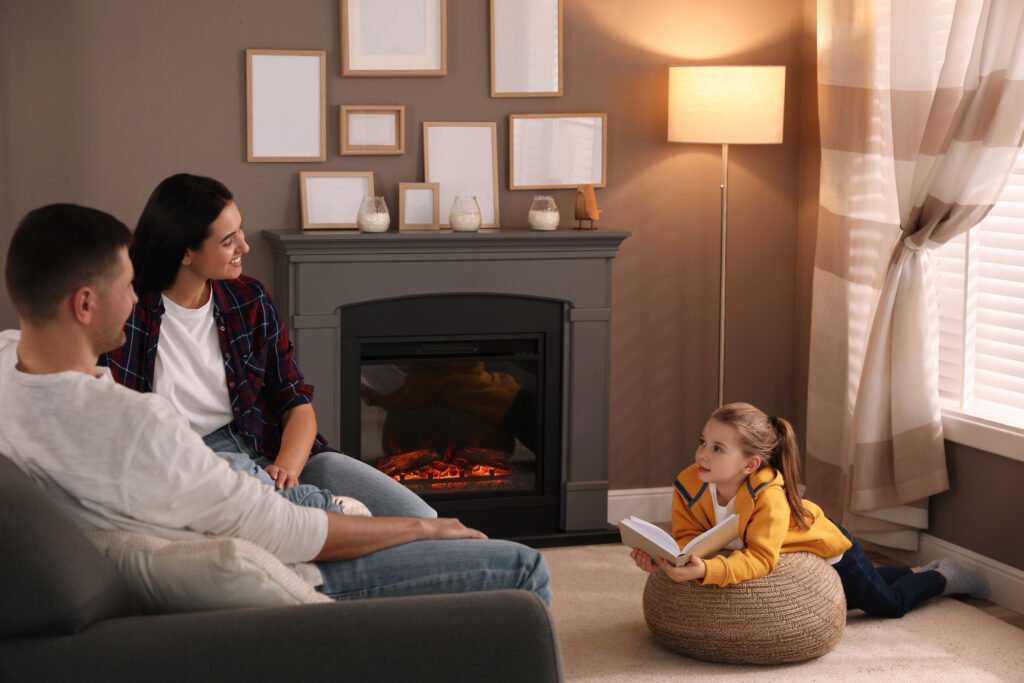
Happy family reading book together near fireplace at home
Empowering Your Gifted Teen: Practical Tips for Supporting Their Mental Health at Home
You’re surrounded by a whirlwind of emotions as your gifted teen navigates the maze of growing up. Every day brings new challenges, and their mental health often feels like a delicate balancing act. You’re not alone in this journey. With the right parenting tips, you can turn your home into a haven of support and resilience. Let’s delve into practical strategies that will empower your gifted teen and bring peace to your family life. Ready to unlock their potential? Keep reading to find out how.
Building a Supportive Environment

Creating a nurturing space at home is crucial for the mental health and emotional well-being of gifted teens. This section will explore how open communication, a safe environment, and realistic expectations can help.
Encouraging Open Communication
Open communication is the cornerstone of any supportive environment. Encouraging your gifted teen to express their thoughts and feelings can foster trust. Active listening is key—show genuine interest in their concerns. Ask open-ended questions to explore their emotions deeper.
Example: Have regular family meetings. Use these sessions to discuss any concerns or achievements openly. This practice can establish a routine of dialogue.
Active Listening: Ensure eye contact and give your full attention.
Validate Emotions: Acknowledge their feelings without judgment.
Encourage Expression: Use creative outlets like journaling or art.
A study from Achieve Psychology emphasizes the importance of dialogue in reducing stigma around mental health.
Creating a Safe Space
Psychological safety is vital for promoting mental health. A home where your gifted teen feels secure aids in their emotional growth.
Designate a quiet area for relaxation.
Set clear boundaries to ensure privacy.
Encourage self-expression through decor or personal space.
By creating a safe haven, you empower your gifted teen to explore their identity. Kids in Crisis offers guidance on setting up a supportive home environment.
Benefits:
Reduced anxiety
Increased focus
Enhanced emotional resilience
Setting Realistic Expectations
Realistic expectations can prevent unnecessary pressure on gifted teens. Recognize their limits and potential without overwhelming them.
Steps:
Identify strengths and weaknesses together.
Set achievable goals and celebrate progress.
Adjust expectations as they grow and change.
According to Mental Health First Aid, aligning expectations with abilities supports emotional well-being.
Practical Parenting Tips

Practical strategies can enhance the emotional well-being of gifted teens at home. This section offers insights into promoting well-being, balancing structure, and encouraging independence.
Promoting Emotional Well-being
Fostering emotional well-being involves recognizing and nurturing your teen’s feelings. Encourage self-awareness and self-regulation to build emotional intelligence.
Teach Mindfulness: Introduce meditation or yoga to help manage stress.
Emotional Journaling: Encourage regular writing to process emotions.
Model Emotional Regulation: Demonstrate how to handle emotions healthily.
Quora highlights the significance of emotional awareness in gifted teens.
Balancing Structure and Flexibility
A careful balance of structure and flexibility can help manage the pressures of being gifted. Establish routines while allowing for spontaneous activities.
Create a daily schedule that includes study and leisure time.
Allow for flexibility in pursuing interests.
Adapt the structure to match evolving needs.
Benefits:
Builds discipline
Encourages creativity
Reduces anxiety
Encouraging Independence and Responsibility
Fostering independence boosts confidence and responsibility. Encourage your gifted teen to make decisions and manage their tasks.
Delegate Responsibilities: Assign household chores.
Encourage Decision Making: Involve them in family decisions.
Support Self-directed Learning: Allow them to pursue self-chosen projects.
These practices prepare them for future challenges, promoting resilience and self-reliance.
Empowering Resilience in Gifted Teens

Building resilience is vital for handling life’s challenges. This section explores coping strategies, passion exploration, and family support.
Developing Coping Strategies
Resilience involves developing effective coping strategies for stress and setbacks. Encourage your teen to identify stressors and implement solutions.
Discuss stress triggers openly.
Encourage problem-solving techniques.
Introduce stress-management tools like deep breathing or exercise.
Research from Achieve Psychology shows that coping strategies enhance resilience in gifted teens.
Encouraging Passion and Interests
Supporting your teen’s passions can foster emotional well-being and resilience. Encourage hobbies that align with their interests.
Steps:
Identify hobbies that excite them.
Provide resources and support.
Encourage persistence even when challenges arise.
By nurturing their passions, you empower them to achieve personal growth and fulfillment.
Family Support for Mental Health 🌟
Family support is crucial for the mental health of gifted teens. Create a family culture that prioritizes understanding and empathy.
Regular Family Activities: Spend quality time together.
Open Discussions: Encourage regular check-ins about emotions.
Seek Professional Support: Consider counseling if needed.
Kids in Crisis emphasizes the role of family in maintaining emotional well-being. With these strategies, your gifted teen can thrive emotionally and mentally.

A certified Heal Your Life® Coach with 20+ years in education and emotional development. Supports gifted teens in navigating anxiety, perfectionism, and identity challenges, while equipping parents with practical tools for lasting transformation. Sessions blend emotional healing, mindset mastery, and strategic empowerment.



