Empowering Gifted Students: Strategies for Building Resilience and Confidence
Gifted students often face unique challenges that can impact their emotional well-being. It’s not just about academics; it’s about nurturing confidence and resilience too. Imagine empowering these bright minds to overcome anxiety and perfectionism. With practical educator strategies, you can guide them toward emotional strength and personal growth. Ready to make a difference in their lives? Dive into our strategies and see how you can support their journey to empowerment and success. Explore our workshops and resources to empower your gifted students with the resilience and confidence they need to thrive.
Nurturing Emotional Intelligence
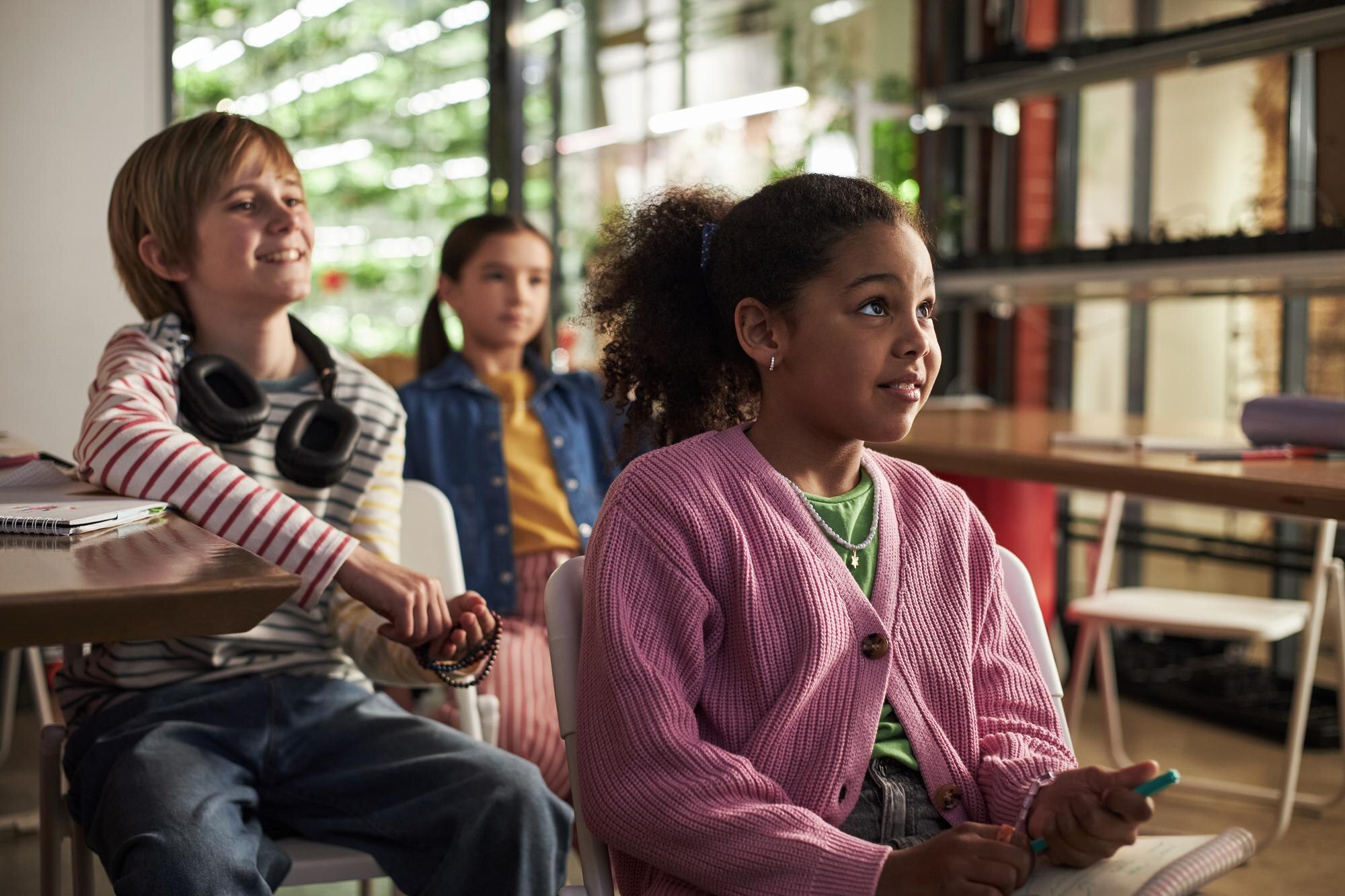
Understanding and nurturing emotional intelligence in gifted students is crucial for their overall development. Emotional intelligence helps them manage emotions, develop empathy, and build healthy relationships. By focusing on this area, educators can pave the way for more effective learning and personal growth.
Understanding Gifted Students’ Needs
Gifted students often experience heightened sensitivity and emotional intensity, making it essential to understand their unique needs. These students might be more prone to anxiety and perfectionism, so recognizing these traits is the first step in supporting them. Emotional intelligence involves self-awareness and managing emotions, which can lead to healthier interactions and better learning outcomes.
To address these needs, educators should:
Observe emotional cues to detect anxiety or stress.
Engage in open dialogues to understand their feelings.
Provide emotional support in challenging situations.
Understanding these needs allows educators to tailor their approaches, fostering an environment where gifted students can thrive both academically and emotionally.
Practical Educator Strategies
Implementing practical strategies in the classroom can help educators support gifted students more effectively. These strategies should focus on creating an inclusive and nurturing environment that acknowledges each student’s emotional needs.
Differentiate Instruction: Tailor lessons to meet individual learning styles and emotional needs.
Incorporate Emotional Learning: Embed emotional learning in daily activities to develop empathy and self-awareness.
Use Positive Reinforcement: Encourage and praise effort to build confidence and resilience.
These strategies can create a supportive environment conducive to emotional and intellectual growth, helping students develop essential skills for future success.
Building Emotional Intelligence
Building emotional intelligence in gifted students involves guiding them in understanding and managing their emotions. This process includes developing key skills that enhance their ability to navigate social settings.
Skills to build emotional intelligence:
Self-awareness: Encourage students to recognize and articulate their emotions.
Self-regulation: Teach strategies for managing stress and emotional responses.
Empathy: Foster understanding and compassion towards others’ feelings.
Educators can facilitate this growth by incorporating emotional intelligence activities in the curriculum, creating a classroom atmosphere where emotional awareness is as valued as academic achievement.
Confidence Building Techniques
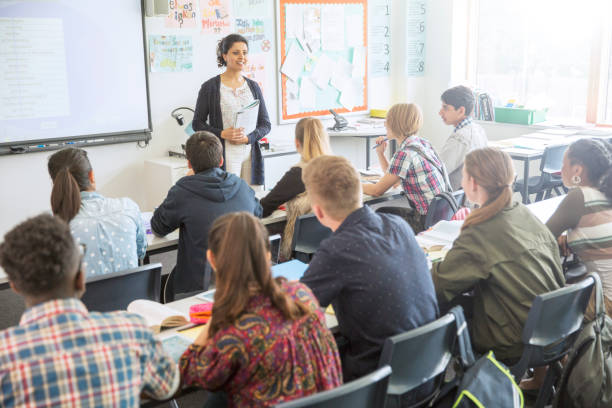
Building confidence in gifted students is essential for overcoming challenges like anxiety and perfectionism. Confidence allows them to embrace their gifts and pursue personal and academic goals with assurance.
Overcoming Anxiety and Perfectionism
Gifted students often struggle with anxiety and perfectionism due to high expectations. Overcoming these challenges requires targeted strategies that promote healthy coping mechanisms.
Strategies to overcome anxiety:
Encourage positive self-talk: Replace negative thoughts with affirmations.
Set realistic goals: Help students break tasks into manageable steps.
Teach relaxation techniques: Introduce deep breathing or mindfulness exercises.
By addressing anxiety and perfectionism, educators can help students approach tasks with a balanced mindset, reducing stress and enhancing performance.
Empowering Student Voices
Empowering students means giving them a platform to express themselves and their ideas. When students feel heard, their confidence naturally grows, encouraging greater participation and engagement.
Create opportunities for student-led discussions and projects.
Encourage diverse perspectives to foster an inclusive environment.
Acknowledge contributions, which boosts self-esteem and motivation.
Empowered students are more likely to take initiative in their learning and develop a sense of ownership over their educational journey.
Creating Supportive Environments
Creating a supportive learning environment involves fostering a culture of trust and encouragement. This can significantly impact a gifted student’s confidence and willingness to take risks.
To build such environments, educators should:
Establish clear expectations and provide consistent feedback.
Encourage collaboration through group activities and peer learning.
Cultivate a safe space where students feel comfortable sharing ideas.
Supportive environments not only enhance confidence but also inspire students to explore their potential without fear of failure.
Fostering Resilience in Gifted Education

Resilience is a vital trait that helps gifted students navigate challenges and setbacks. By fostering resilience, educators can equip students with the tools they need to succeed in various aspects of life.
Encouraging Personal Growth
Encouraging personal growth in gifted students involves nurturing their interests and strengths while providing opportunities for self-discovery. This growth is fundamental to resilience.
Support exploration of new subjects and skills.
Provide resources that align with their interests.
Celebrate achievements to motivate continued effort.
Personal growth fosters resilience by building a foundation of self-confidence and adaptability, essential for overcoming obstacles.
Developing Coping Mechanisms
Developing effective coping mechanisms is crucial for managing stress and adversity. These skills empower gifted students to face challenges with a positive mindset.
Coping strategies include:
Mindfulness practices to reduce stress.
Problem-solving skills to tackle issues proactively.
Support networks of peers and mentors for guidance.
By cultivating these skills, educators can help students maintain emotional balance and resilience in the face of difficulties.
Engaging with Student Empowerment 🎓
Engagement with student empowerment involves actively involving students in their learning process, enhancing their sense of control and responsibility.
Incorporate student feedback to tailor learning experiences.
Encourage self-directed learning and goal setting.
Facilitate leadership roles to develop confidence and decision-making skills.
Empowered students are more resilient, as they learn to navigate their educational and personal paths with confidence and determination. By focusing on these strategies, educators can make a significant impact on their students’ lives, fostering a generation of resilient, confident, and emotionally intelligent individuals.
Explore more about building resilience in gifted students from these resources: Gifted Challenges, Genie Academy, ESCCO, and Psychology Perspective.

A certified Heal Your Life® Coach with 20+ years in education and emotional development. Supports gifted teens in navigating anxiety, perfectionism, and identity challenges, while equipping parents with practical tools for lasting transformation. Sessions blend emotional healing, mindset mastery, and strategic empowerment.