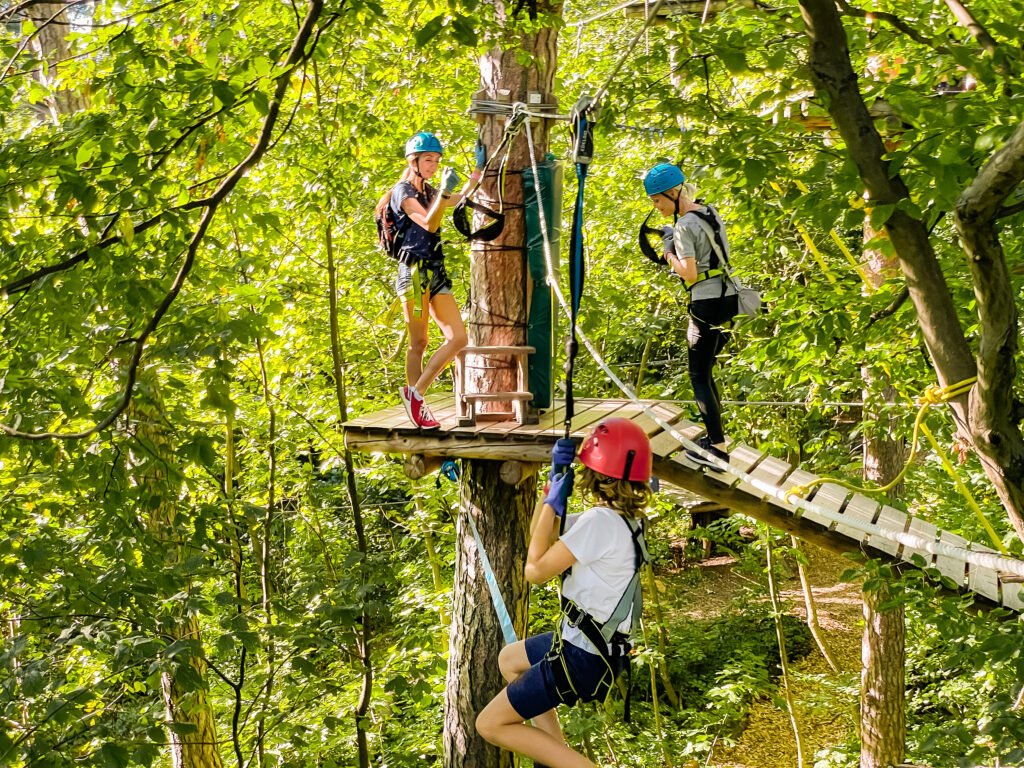
Rope park in wood forest.High-altitude climbing training on adventure track, equipped with safety straps and protective helmet.Adventure park close-up. A people walks a rope bridge between trees in an amusement park in safety gear and a helmet. Summer fun and sports for adventurous people.
Adventure-Based Mindset Training: Unlocking Potential in Gifted Teens
Gifted teens often face unique emotional challenges, feeling misunderstood and pressured to excel. Adventure-based mindset training offers a fresh path to personal growth and resilience. Imagine your teen scaling new heights—both literally and emotionally. This approach blends the thrill of adventure with emotional coaching, helping them build confidence and self-awareness. Ready to see your child thrive in ways you never imagined? Let’s explore how this training can transform their journey. Learn more about this approach here.
Understanding Adventure-Based Training
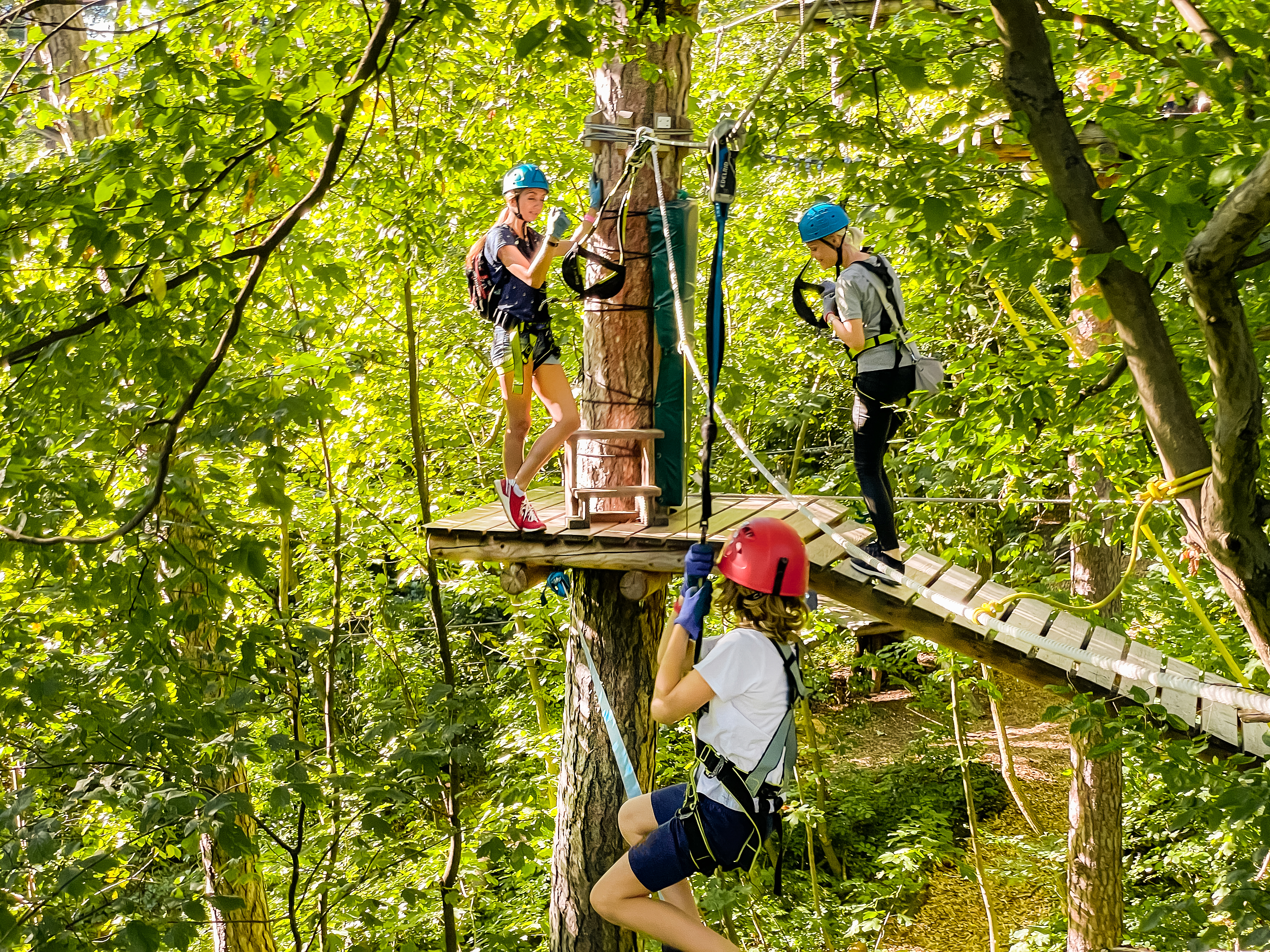
Adventure-based training is an innovative approach to emotional and personal development, particularly beneficial for gifted teens. This section delves into what this training encompasses, its impact on emotional growth, and how it fosters resilience.
What is Adventure-Based Training
Adventure-based training combines physical activities with emotional coaching to foster personal development. It involves engaging in challenges that require mental and physical effort, promoting self-discovery and growth. By stepping outside their comfort zones, participants gain new perspectives on their capabilities.
Activities range from rock climbing to team-building exercises. These experiences are crafted to enhance emotional intelligence and problem-solving skills. Gifted teens often find these activities especially rewarding, as they address their need for stimulation and challenge in a safe, structured environment.
According to Newport Academy, this training is valuable for building resilience and self-awareness. Teens learn to navigate obstacles, boosting their confidence and emotional well-being. This method stands out as a powerful tool in supporting gifted teens on their path to emotional maturity.
Emotional Growth in Gifted Teens
Gifted teens often experience intense emotions, which can be overwhelming. Adventure-based training provides a structured outlet for these emotions through physical and mental challenges. This method helps teens understand and manage their feelings more effectively.
During adventure-based activities, teens face real-time decision-making scenarios. This process encourages them to reflect on their emotional responses and develop healthier coping mechanisms. For instance, a teen might experience frustration during a challenging climb, learning to channel this emotion into motivation rather than defeat.
Canvas highlights how this training aids in emotional regulation, crucial for personal development. Gifted teens often find relief in expressing emotions through physical activities, which can lead to more balanced emotional health.
Building Resilience Through Adventure
Resilience is the ability to bounce back from challenges. Adventure-based training naturally builds this quality by putting teens in situations that test their limits. Overcoming these challenges strengthens their ability to handle adversity.
The process of building resilience involves several key components:
Facing challenges: Teens learn to approach difficulties as opportunities for growth.
Learning perseverance: They understand the value of persistence in achieving goals.
Developing problem-solving skills: Teens become adept at finding solutions under pressure.
As Clearfork Academy points out, adventure-based activities are crucial for teaching resilience. Gifted teens who participate in these programs often show marked improvement in their ability to manage stress and setbacks.
The Benefits of Personal Development

Personal development is an ongoing process that adventure-based training significantly enhances. This section explores how it boosts confidence, promotes self-awareness, and helps gifted teens tackle anxiety and perfectionism.
Boosting Confidence and Self-Awareness
Gifted teens often struggle with self-doubt despite their abilities. Adventure-based training focuses on boosting confidence through successful completion of challenges. Teens gain a sense of accomplishment, reinforcing their self-belief.
As teens participate in these training activities, they become more self-aware. They learn to recognize their strengths and weaknesses, using this knowledge to improve their interactions and decisions. This increased awareness is key to personal growth.
Mission Grit emphasizes that this self-discovery process is vital for developing a robust sense of identity. As confidence and self-awareness grow, teens are better equipped to face life’s challenges with a positive outlook.
Overcoming Anxiety and Perfectionism
Gifted teens often grapple with anxiety and the pressure to be perfect. Adventure-based training offers strategies to manage these challenges effectively. By engaging in activities that are inherently imperfect, teens learn to accept mistakes as part of growth.
Steps to overcoming anxiety and perfectionism include:
Setting realistic goals: Helps teens manage expectations and reduce pressure.
Practicing mindfulness: Encourages staying present and reducing anxiety.
Celebrating small victories: Reinforces progress over perfection.
Through these strategies, teens learn to embrace their imperfections and reduce anxiety. Clearfork Academy notes the positive impact this training has on reducing perfectionist tendencies and fostering emotional balance.
Supporting Gifted Teens
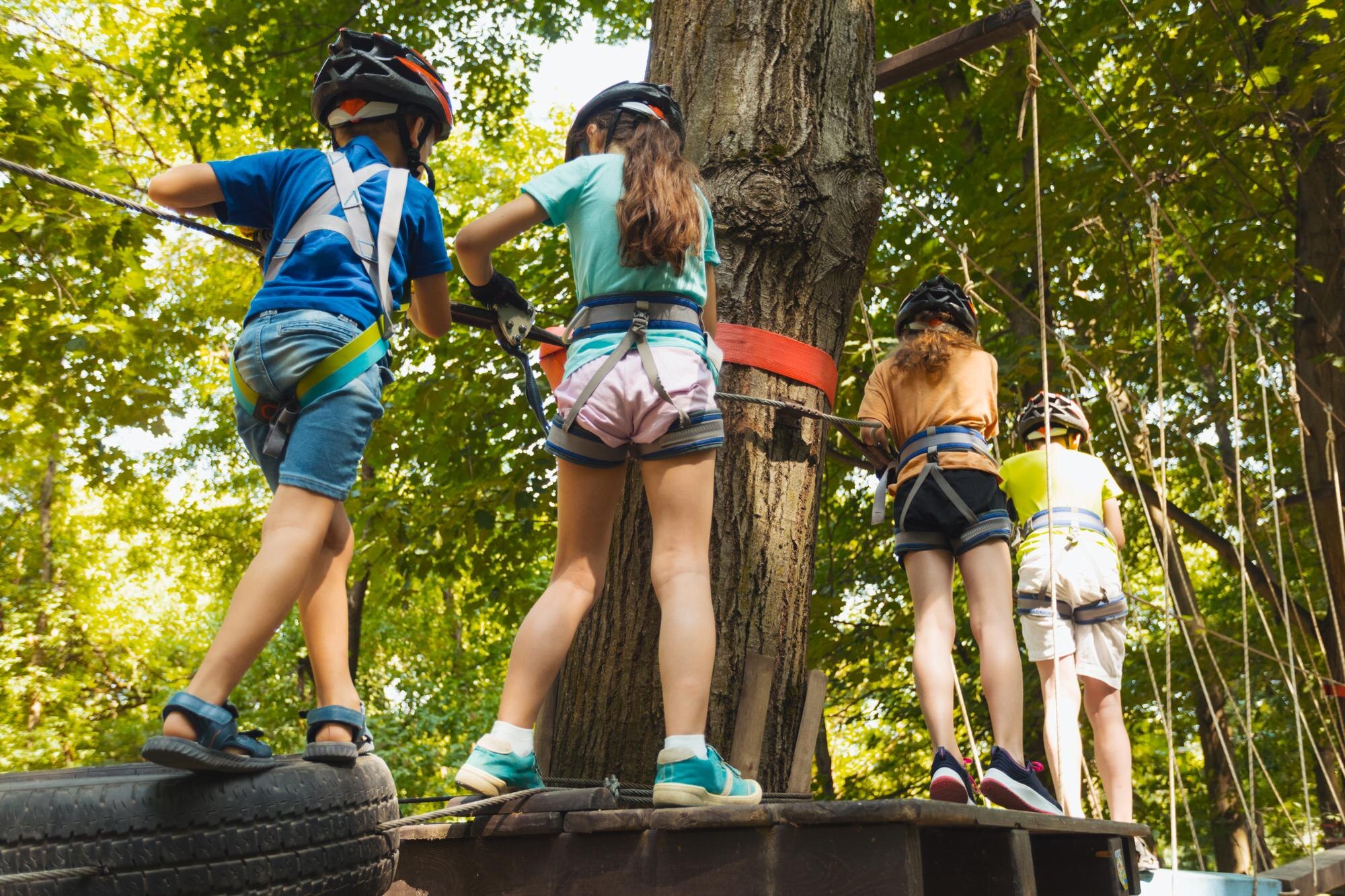
Supporting gifted teens requires understanding and empowering them with practical tools. This section provides insights on empowering parents as guides and practical strategies for fostering emotional wellness.
Empowering Parents as Guides
Parents play a crucial role in supporting their gifted teens. By becoming effective guides, parents can help their children navigate the challenges of adolescence with confidence and empathy.
To empower parents, consider these tips:
Communicate openly: Foster an environment where teens feel safe sharing their thoughts.
Encourage independence: Allow teens to make decisions and learn from outcomes.
Model emotional intelligence: Demonstrate healthy emotional management skills.
Mission Grit suggests that parents who actively engage in their teens’ growth journey provide invaluable support, helping them thrive emotionally and personally.
Practical Strategies for Emotional Wellness
Gifted teens need practical strategies to maintain emotional wellness. Adventure-based training introduces techniques that teens can use daily to manage their emotions and stress.
These strategies include:
Mindfulness exercises: Encourage teens to stay present and reduce stress.
Journaling: Helps process emotions and reflect on experiences.
Regular physical activity: Supports mental health and provides an emotional outlet.
Canvas highlights the importance of these strategies in supporting emotional balance. By integrating these practices into their routines, gifted teens can enhance their emotional intelligence and personal growth.
😊

A certified Heal Your Life® Coach with 20+ years in education and emotional development. Supports gifted teens in navigating anxiety, perfectionism, and identity challenges, while equipping parents with practical tools for lasting transformation. Sessions blend emotional healing, mindset mastery, and strategic empowerment.



