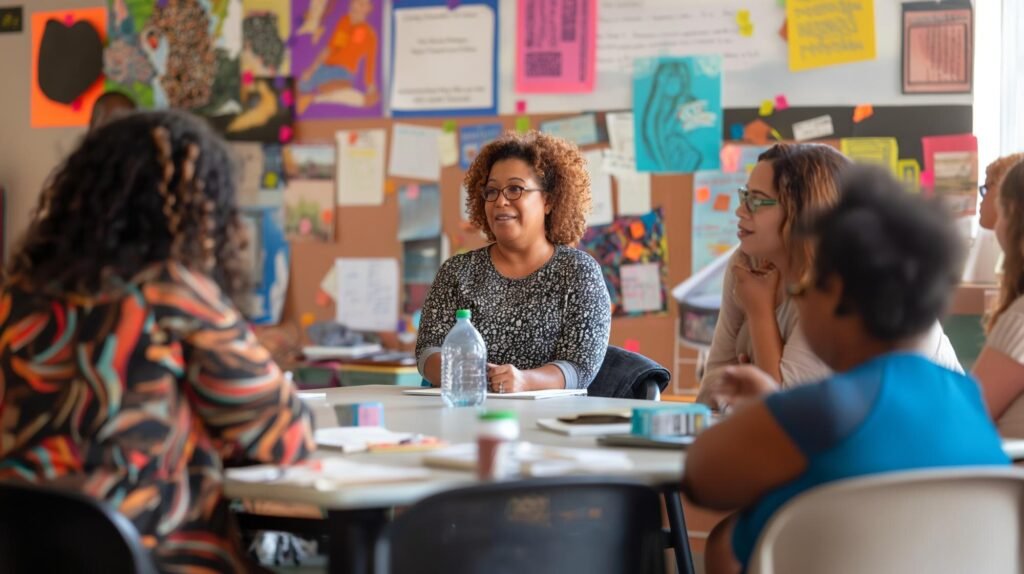
Building Resilience and Confidence: Top Strategies for Educators of Gifted Students
Picture this: a gifted student sitting in your classroom, brimming with potential yet shadowed by self-doubt. You’re not alone in wanting to nurture their resilience and confidence. With the right educator strategies, you can turn those shadows into strengths. This guide on gifted education offers you practical, proven methods to boost their emotional intelligence and well-being. Ready to transform your teaching approach and empower these exceptional minds? Let’s dive in.## Fostering Emotional Intelligence
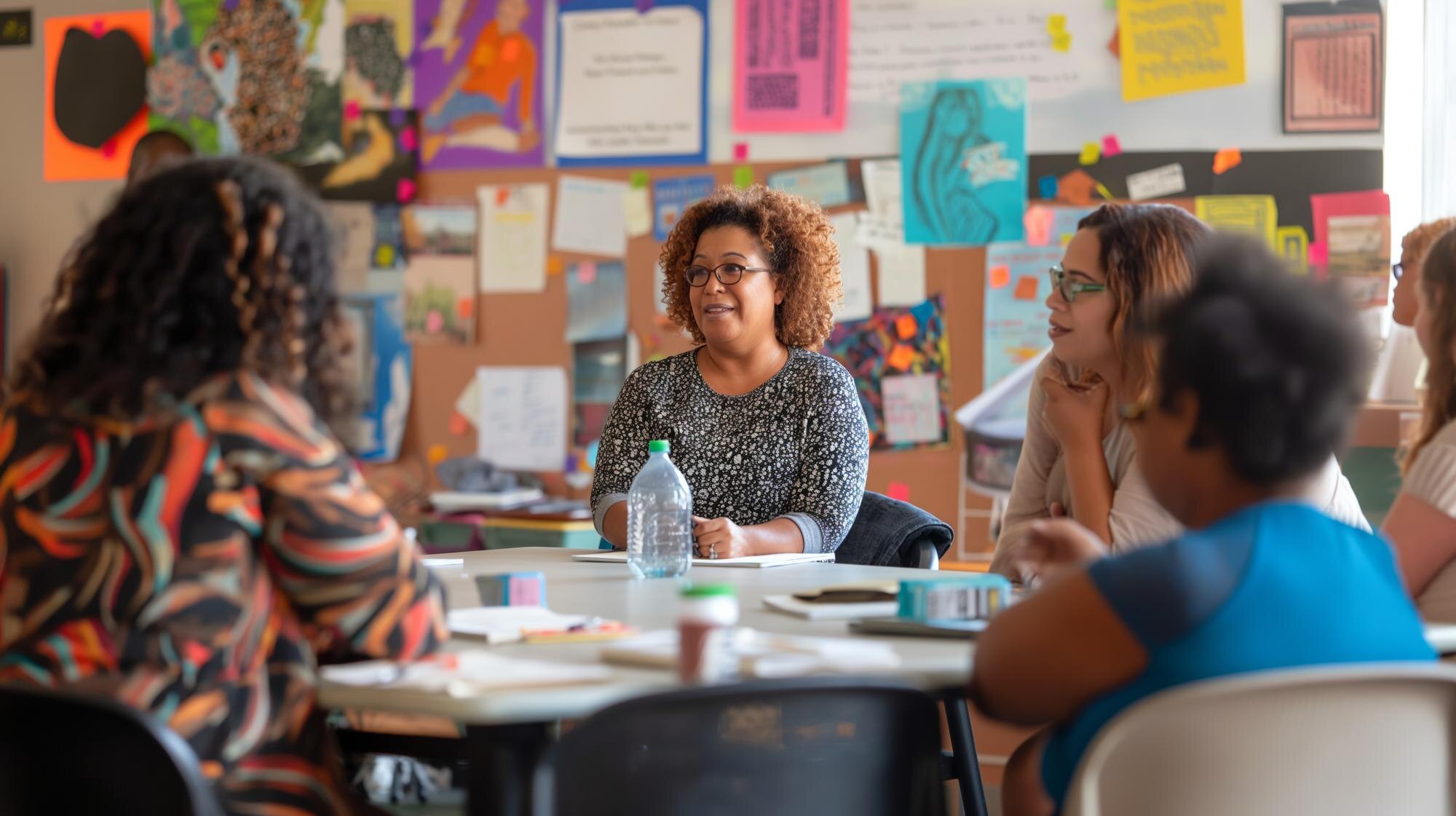
Emotional intelligence is crucial for gifted students to navigate their unique challenges. Understanding their emotional landscape promotes not only personal growth but also enhances academic performance. This section explores recognizing their needs, encouraging emotional awareness, and building empathy in the classroom.
Recognizing Gifted Student Needs
Gifted students often have unique emotional needs that require careful consideration. They may experience heightened sensitivities or intense emotions, which can lead to emotional overwhelm.
Identifying these specific needs is the first step in providing appropriate support. Educators should be aware of signs such as anxiety or frustration during challenging tasks.
Creating a supportive environment involves regular check-ins and open lines of communication. This approach helps in understanding their emotional states and adjusting teaching methods accordingly. More insights are available on recognizing these needs here.
Encouraging Emotional Awareness
Encouraging emotional awareness in gifted students involves teaching them to identify and express their feelings accurately. Start by introducing a “feelings chart” to help students label their emotions.
Daily Reflection: Encourage students to reflect on their emotional experiences at the end of each day.
Journaling: Implement journaling exercises where students can write about their feelings and thoughts.
Role-playing: Use role-playing activities to explore different emotional scenarios and responses.
By fostering emotional awareness, students learn to manage their emotions effectively, leading to improved resilience. For more strategies, visit this blog.
Building Empathy in the Classroom
Empathy is a vital skill that can be nurtured within the classroom environment. It involves understanding and sharing the feelings of others, which enhances social interactions.
Incorporate literature and storytelling that reflect diverse perspectives to help students appreciate different emotional experiences. Discussions and group activities encourage students to express their thoughts and listen to others.
Key Strategies:
Implement peer-to-peer support systems.
Use group projects to foster teamwork and understanding.
Encourage sharing of personal experiences in a safe environment.
For further guidance, explore methods to build empathy here.
Practical Confidence Building Techniques
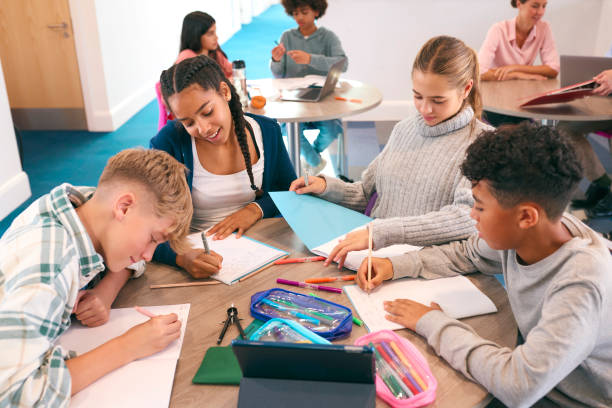
Building confidence in gifted students requires practical, everyday techniques. Focusing on setting realistic goals, celebrating achievements, and providing constructive feedback can significantly boost their self-esteem.
Setting Realistic Goals
Gifted students often have high expectations for themselves, which can lead to self-imposed pressure. Setting realistic goals helps manage these expectations and fosters achievement.
Goal-Setting Steps:
Assess Student Abilities: Understand each student’s current skills and areas for improvement.
Define Achievable Objectives: Break down larger tasks into smaller, manageable steps.
Monitor Progress: Regularly review goals and adjust as necessary to ensure they remain attainable.
This structured approach helps students experience success, boosting their confidence. Learn more about setting goals here.
Celebrating Small Wins
Acknowledging small successes is crucial for confidence building. Regular celebration of achievements, no matter how minor, reinforces positive behavior and motivates students.
Create a “Success Wall” in the classroom where students can post their achievements.
Host “Achievement Days” where students present their progress and receive applause from peers.
Encourage Peer Recognition through positive reinforcement and group acknowledgment.
Small wins accumulate, creating a strong foundation of self-assurance for gifted students. More methods can be found here.
Providing Constructive Feedback
Feedback plays a critical role in supporting gifted students’ growth. Constructive feedback should focus on specific areas for improvement while recognizing strengths.
Use the “Sandwich” Approach: Start with positive feedback, address areas for improvement, and end with encouragement.
Be Specific and Clear: Provide examples and actionable steps for improvement.
Encourage Self-Reflection: Ask students to assess their own work and identify areas for growth.
This balanced approach helps students accept feedback positively and work towards continuous improvement. Explore more about effective feedback techniques here.
Strategies for Resilience in Gifted Students

Resilience is essential for gifted students to handle setbacks and challenges. By embracing challenges, developing a growth mindset, and cultivating supportive networks, educators can empower students to persevere through difficulties.
Embracing Challenges
Gifted students often face unique challenges and may shy away from tasks that don’t come easily. Encouraging them to embrace challenges is crucial for building resilience.
Normalize Mistakes: Teach students that mistakes are part of the learning process.
Present Challenges as Opportunities: Frame difficult tasks as chances to grow and learn.
Encourage Risk-Taking: Support students in attempting new things without fear of failure.
This mindset shift fosters perseverance and resilience. More insights can be explored here.
Developing a Growth Mindset
A growth mindset encourages students to view abilities as improvable with effort and dedication. This mindset is pivotal for overcoming perfectionism and embracing learning.
To foster a growth mindset:
Model Growth Mindset Language: Use phrases like “I can’t do this yet” instead of “I can’t do this.”
Highlight Effort Over Ability: Praise the process and effort, not just the outcome.
Introduce Role Models: Share stories of individuals who achieved success through perseverance.
This approach encourages students to persist despite obstacles. For more information, see this resource.
Cultivating Supportive Networks
Supportive networks are essential for the emotional and academic well-being of gifted students. These networks provide encouragement, advice, and a sense of belonging.
Steps to Build Networks:
Connect with Peers: Organize group activities to build peer relationships.
Engage Parents: Encourage parental involvement in school activities.
Use Mentorship Programs: Pair students with mentors who can guide and inspire.
By fostering these relationships, students gain confidence and resilience in their academic journey. Additional strategies can be found here.
🌟 Join Our Workshop to Empower Gifted Youth! 🌟
We invite educators to join our upcoming workshop, designed to delve deeper into empowering gifted students. This interactive session will provide hands-on training and resources to implement these strategies effectively. Connect with fellow educators and share experiences in fostering resilience and confidence in gifted youth. Don’t miss this opportunity to enhance your teaching toolkit! 🌟

A certified Heal Your Life® Coach with 20+ years in education and emotional development. Supports gifted teens in navigating anxiety, perfectionism, and identity challenges, while equipping parents with practical tools for lasting transformation. Sessions blend emotional healing, mindset mastery, and strategic empowerment.