
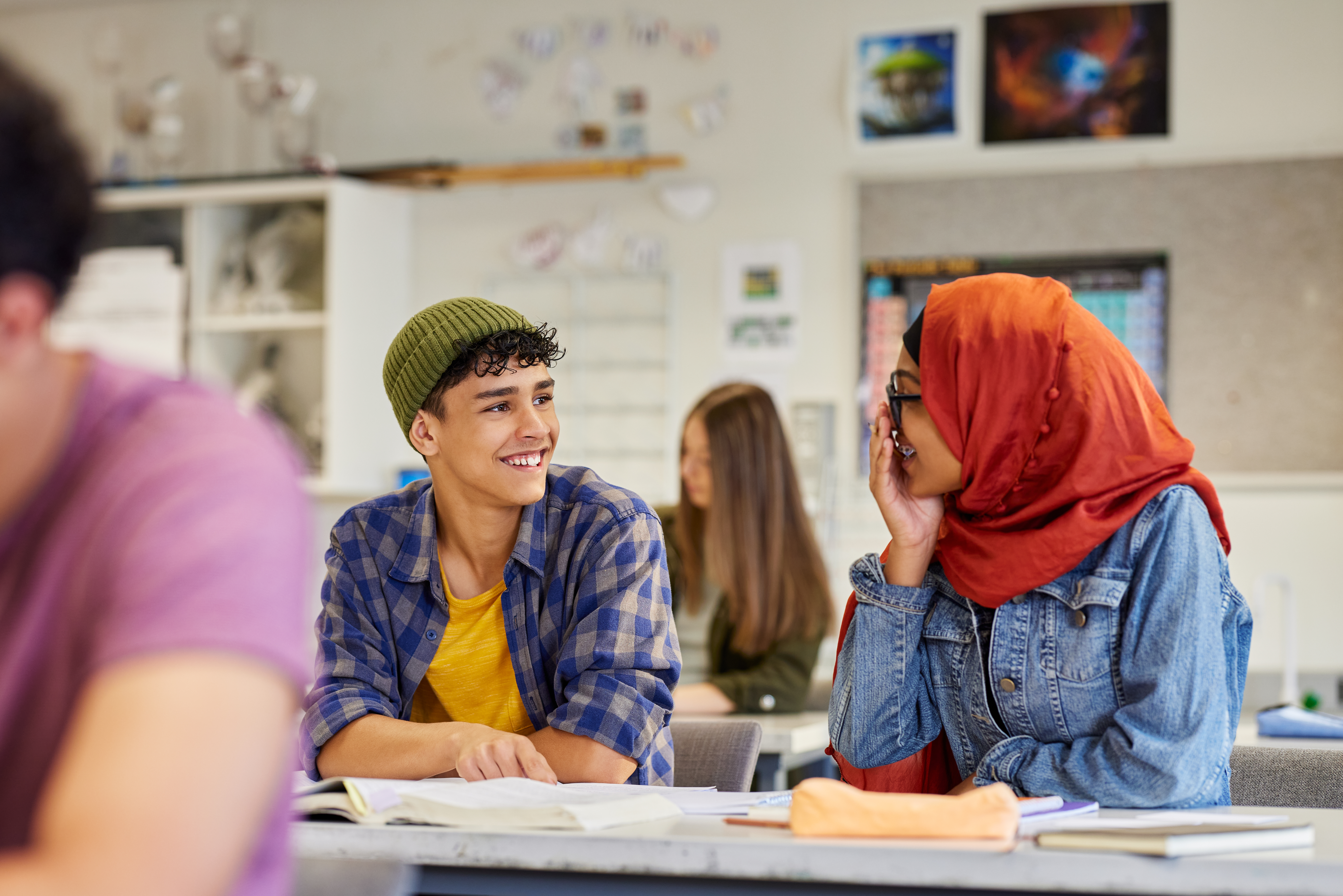
Young group of high school students talking with mature teacher in classroom. Education concept
Empowering Our Brightest Minds: Strategies to Foster Resilience and Confidence in Gifted Students
Gifted students often face a unique set of emotional challenges, from the pressure to excel to the fear of falling short. As an educator, you play a crucial role in helping them navigate this complex journey. Imagine equipping these bright minds with the resilience and confidence they need to thrive, not just academically but emotionally. In this guide, you’ll discover practical strategies to nurture their emotional well-being and unlock their true potential. Ready to transform your classroom into a haven of growth and understanding? Let’s get started. For more insights, visit this resource.
Building Emotional Resilience

Gifted students often face pressures that can challenge their emotional resilience. This section explores understanding these pressures, developing coping strategies, and encouraging emotional expression to help gifted students thrive emotionally.
Understanding Gifted Students’ Pressures
Gifted students often deal with the burden of high expectations from themselves and others. The pressure to perform can lead to anxiety and stress, as they strive to meet the standards set by society, educators, and sometimes, their families. This stress can be compounded by feelings of isolation, as they may struggle to relate to peers who do not share their experiences or intellectual capabilities.
A common issue is imposter syndrome, where students doubt their abilities despite evidence of their competence. They may feel as though they are “faking it,” and this can erode their self-worth. Recognizing these pressures is crucial for educators and parents to offer meaningful support.
To manage these pressures, educators can engage in open dialogues with students about their experiences, validating their feelings and offering reassurance. This creates a supportive environment where students feel understood and less alone. For more insights, check out this resource.
Developing Coping Strategies
To foster resilience, it’s important to equip gifted students with practical coping strategies. These strategies can help students manage stress and navigate challenges more effectively.
Mindfulness Techniques: Encourage practices such as meditation or deep-breathing exercises that help students focus on the present moment and reduce anxiety.
Time Management Skills: Teach students how to prioritize tasks and manage their time efficiently to prevent overwhelm.
Problem-Solving Skills: Guide students to break down complex problems into smaller, manageable steps, making them feel more in control and capable.
Educators can reinforce these strategies through regular activities within the classroom. For more strategies, visit this helpful guide.
Encouraging Emotional Expression
Encouraging emotional expression is vital for the emotional well-being of gifted students. It allows them to process their feelings and seek help when needed.
Gifted students may suppress emotions due to a fear of being misunderstood or judged. Creating a safe space where they can express themselves without fear is essential. Artistic activities such as writing, drawing, or music can be excellent outlets for emotions.
Educators should model empathy, showing students how to articulate their feelings and handle them constructively. Open-ended questions can prompt students to explore their emotions and share them freely. This approach is detailed further in this resource.
Boosting Confidence in Gifted Education
Boosting confidence in gifted education involves setting realistic expectations, celebrating small wins, and fostering a growth mindset. These strategies help students build self-esteem and resilience.
Setting Realistic Expectations
Gifted students often face unrealistic expectations from themselves and others. Educators can support them by setting achievable goals that align with their abilities and interests.
Through individualized learning plans, students can focus on personal growth rather than perfection. This helps them understand that learning is a journey, not a destination. Educators should emphasize effort over outcomes to reduce pressure and encourage persistence.
Regular feedback and discussions about progress can help students adjust their goals and feel proud of their achievements, fostering a sense of accomplishment. For more on this topic, explore this article.
Celebrating Small Wins
Celebrating small wins helps reinforce a student’s sense of achievement and boosts confidence. Recognizing and rewarding incremental progress can motivate students to continue striving for excellence.
Daily Acknowledgments: Highlight daily achievements, no matter how small, to reinforce positive behaviors and attitudes.
Peer Recognition: Encourage students to celebrate each other’s successes, promoting a supportive classroom culture.
Personal Reflection: Guide students to reflect on their progress and recognize their growth over time.
These practices help students appreciate the value of each step in their learning journey, making the process less daunting.
Fostering a Growth Mindset
A growth mindset is crucial for cultivating confidence in gifted students. This mindset focuses on the belief that abilities can be developed through dedication and hard work.
Educators can foster this mindset by praising effort and resilience rather than intelligence alone. Encouraging students to view failures as opportunities for growth can help them embrace challenges and build resilience.
Incorporating stories of famous individuals who overcame obstacles through hard work can inspire students to remain persistent. For more strategies, visit this resource.
Educator Strategies for Emotional Well-being

Educators play a pivotal role in promoting the emotional well-being of gifted students. This section outlines strategies for creating a supportive environment, promoting emotional intelligence, and connecting with resources like VK Creative Circle.
Creating a Supportive Environment
A supportive classroom environment is essential for the emotional well-being of gifted students. It involves fostering a culture of acceptance and inclusion where students feel valued and understood.
Open Communication: Encourage students to share their thoughts and feelings openly without fear of judgment.
Diverse Learning Opportunities: Offer varied activities that cater to different learning styles and interests.
Positive Reinforcement: Use encouragement and praise to boost students’ confidence and motivation.
These practices can create a nurturing atmosphere where students thrive emotionally and academically.
Promoting Emotional Intelligence
Emotional intelligence involves recognizing and managing one’s emotions and understanding the emotions of others. Teaching this skill is vital for gifted students’ personal and academic success.
Educators can incorporate social-emotional learning (SEL) activities into their curriculum to help students develop empathy, self-awareness, and interpersonal skills. Role-playing scenarios and discussions on emotional responses can enhance students’ emotional intelligence.
By promoting emotional intelligence, educators equip students to navigate social situations more effectively, fostering resilience and confidence. For further guidance, consider exploring resources like this one.
Connecting with VK Creative Circle 🌟
VK Creative Circle offers resources and support for educators and parents of gifted students, focusing on emotional intelligence and resilience. Their services include private coaching, workshops, and parent support, providing a holistic approach to gifted education.
1:1 Coaching for Gifted Teens: Tailored support that addresses individual needs and challenges.
Parent Coaching: Empowers parents to effectively support their gifted children.
Workshops: Offers practical strategies for emotional resilience and empowerment.
By connecting with VK Creative Circle, educators and parents gain access to resources that enhance their ability to support gifted students’ emotional development. For more information, visit their website.
Implement these strategies in the classroom and consider reaching out for additional support from VK Creative Circle. Sign up for our newsletter to get more insights and strategies for supporting gifted students in your classroom. 🌟

A certified Heal Your Life® Coach with 20+ years in education and emotional development. Supports gifted teens in navigating anxiety, perfectionism, and identity challenges, while equipping parents with practical tools for lasting transformation. Sessions blend emotional healing, mindset mastery, and strategic empowerment.



