
Empowering Gifted Students: Strategies for Educators to Foster Resilience and Confidence
Gifted students often face a unique set of challenges. While their academic talents shine, emotional hurdles like anxiety and perfectionism can cast shadows on their path. As educators, how can you become the guiding light they need? Help your gifted child build resilience with practical strategies designed to nurture resilience and confidence, helping these bright minds thrive both in and out of the classroom. By focusing on emotional intelligence and personal growth, you’ll empower gifted students to not only succeed but to truly flourish. Ready to transform your approach? Let’s begin.
Building Emotional Intelligence

Emotional intelligence is foundational for gifted students, shaping how they understand and manage emotions. This section explores how educators can help students recognize emotional triggers and develop coping mechanisms. By fostering emotional intelligence, students can better navigate the complexities of their experiences.
Recognizing Emotional Triggers
Emotional triggers are events or interactions that provoke strong emotional responses. For gifted students, these triggers can often be linked to feelings of perfectionism or fear of failure. Recognizing these triggers is the first step in managing emotions effectively.
Identify Common Situations: Encourage students to journal daily experiences and note events that lead to strong emotions.
Discuss Patterns: Help them see patterns in their emotional responses.
Reflect on Outcomes: Guide them to assess how these emotions impact their behavior and decision-making.
Real-world example: A student may feel anxious when asked to speak in class. By recognizing this as a trigger, educators can work with them to prepare strategies like deep-breathing exercises or pre-written notes to ease the anxiety.
Key Insights:
Recognizing triggers helps in managing responses.
Journaling is a practical tool for self-awareness.
Educators play a critical role in guiding reflection.
Developing Coping Mechanisms
Developing coping mechanisms is essential for maintaining emotional balance. These strategies equip gifted students with tools to deal with stress and anxiety effectively.
Mindfulness Techniques: Encourage regular mindfulness practices, such as meditation or yoga, to help students stay grounded.
Positive Affirmations: Use positive affirmations to build self-confidence and reduce negative self-talk.
Peer Support: Facilitate group discussions where students can share experiences and support each other.
A case study from Genie Academy highlights a program where students practiced mindfulness daily, resulting in increased focus and reduced anxiety levels.
Takeaways:
Simple daily practices can significantly improve emotional well-being.
Peer support systems are invaluable for emotional growth.
Mindfulness enhances focus and reduces stress.
Fostering Personal Growth

Personal growth is a continuous journey for gifted students, requiring self-reflection and goal-setting. This section provides strategies for encouraging introspection and setting realistic objectives to inspire growth.
Encouraging Self-Reflection
Self-reflection allows students to gain insights into their thoughts and actions. For gifted students, this practice leads to deeper self-awareness and personal development.
Create Reflection Prompts: Provide students with prompts that encourage deep thinking about their emotions and behaviors.
Use Reflective Journals: Encourage the use of journals to track thoughts and progress over time.
Facilitate Open Discussions: Hold regular class discussions on self-reflection topics.
According to the NAGC, self-reflection is crucial in personal growth, enabling students to understand their strengths and areas for improvement.
Benefits:
Promotes self-awareness and insight.
Fosters a growth mindset.
Enhances understanding of personal strengths.
Setting Realistic Goals
Setting realistic goals is crucial for maintaining motivation and achieving personal milestones. Gifted students often set high expectations; thus, educators should guide them in establishing achievable objectives.
Break Down Goals: Encourage students to divide larger goals into smaller, manageable tasks.
Set SMART Goals: Teach them to set goals that are Specific, Measurable, Achievable, Relevant, and Time-bound.
Celebrate Milestones: Acknowledge progress to motivate continued effort.
In Gifted Challenges, setting realistic goals is emphasized as a way to build resilience and confidence in gifted students.
Practical Tips:
Use the SMART framework for goal-setting.
Recognize and reward small achievements.
Provide regular feedback and support.
Enhancing Resilience and Confidence
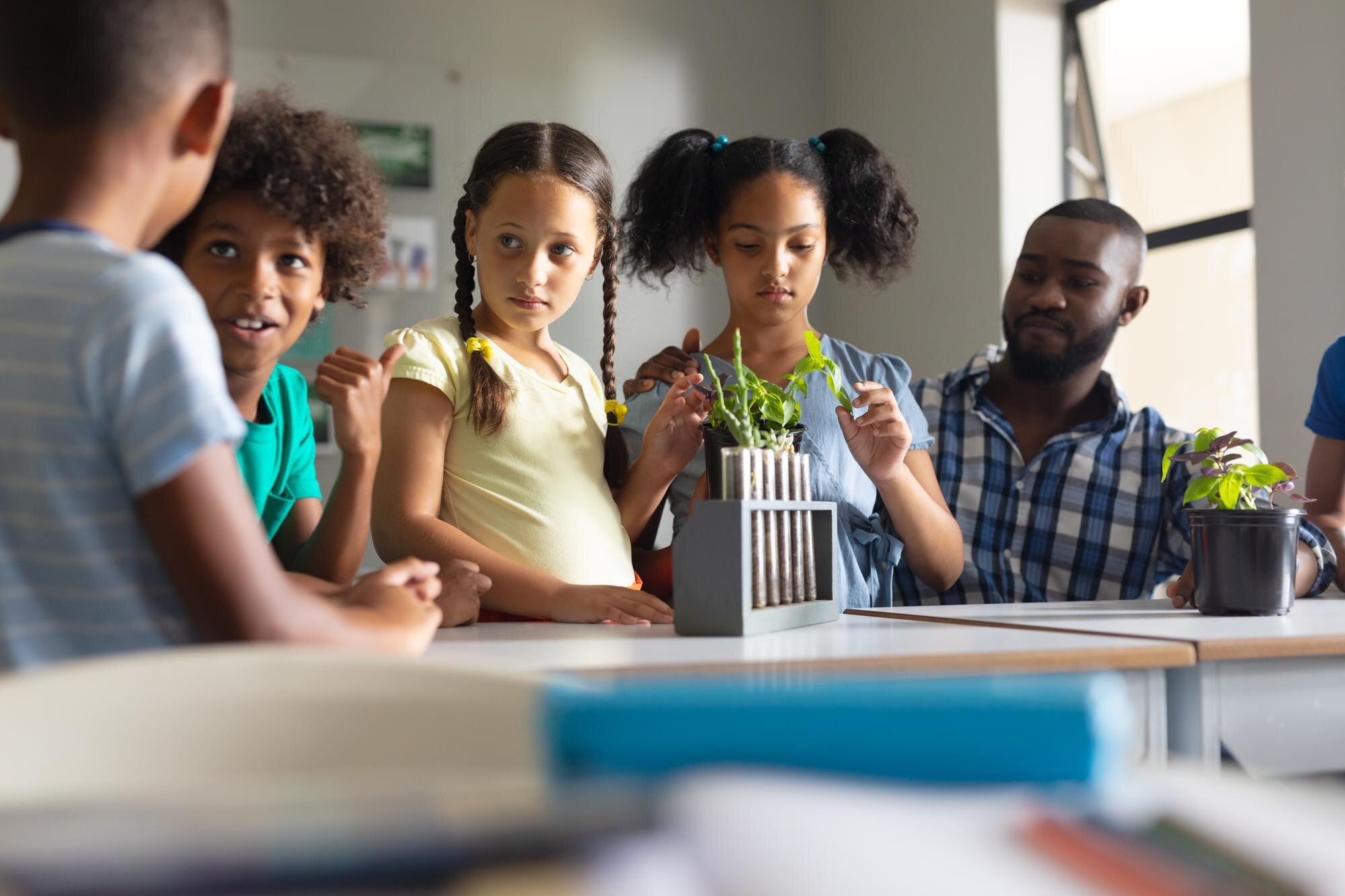
Building resilience and confidence in gifted students requires celebrating small victories and creating a supportive environment. These strategies help students build a strong foundation for future success.
Celebrating Small Wins
Celebrating small wins can significantly boost a student’s confidence. Recognizing these achievements reinforces positive behavior and encourages perseverance.
Acknowledge Efforts: Regularly acknowledge students’ efforts, not just outcomes.
Create Reward Systems: Implement reward systems that celebrate both academic and personal achievements.
Share Success Stories: Use classroom time to share stories of peers’ successes to inspire others.
A study at ESCCO found that students who regularly celebrated small wins experienced increased motivation and self-esteem.
Key Points:
Regular recognition builds confidence.
Small rewards can motivate continuous improvement.
Peer success stories can inspire and uplift.
Creating a Supportive Environment
Supportive environments are essential for nurturing resilience. Educators play a pivotal role in creating spaces where students feel safe and valued.
Foster Inclusivity: Ensure all students feel included and respected.
Encourage Open Communication: Maintain open lines of communication between students and educators.
Provide Resources: Offer access to resources, such as counseling or mentoring programs.
Quotes from Gifted Challenges highlight the importance of a supportive environment in building resilience, emphasizing that emotional safety fosters personal growth.
Recommendations:
Promote inclusivity and respect in the classroom.
Encourage honest and open communication.
Provide supportive resources for emotional and academic growth.
🌟✨🎓

A certified Heal Your Life® Coach with 20+ years in education and emotional development. Supports gifted teens in navigating anxiety, perfectionism, and identity challenges, while equipping parents with practical tools for lasting transformation. Sessions blend emotional healing, mindset mastery, and strategic empowerment.



