
Empowering Gifted Students: Top Strategies for Educators to Foster Resilience and Confidence
Gifted students often wrestle with challenges that go beyond the classroom. They face emotional hurdles that require nurturing guidance, not just academic support. As an educator, your role is pivotal in helping them build resilience and confidence. Imagine transforming these bright minds into emotionally strong individuals ready to tackle any obstacle. In this blog, you’ll uncover practical educator strategies designed to foster emotional well-being and support for gifted youth. Let’s embark on this empowering journey together, making a lasting difference in their lives.
Building Resilience in Gifted Students

Gifted students often face unique emotional challenges that require specific strategies to build resilience. This section explores methods to create supportive environments and foster resilience through thoughtful approaches.
Creating a Safe Learning Space
A safe learning space is crucial for gifted students to express themselves without fear of judgment. Establishing such an environment involves clear communication and understanding. Encourage students to share their thoughts openly by setting ground rules for respect and empathy.
Safe learning spaces can also include flexible classroom setups. Allow students to choose how they want to engage, whether it’s through group activities or individual projects. This promotes a sense of control and security.
Involve students in decision-making processes to further enhance their comfort. When they feel their opinions matter, they are more likely to take risks and try new things. This sense of belonging can significantly bolster their resilience.
Encouraging Growth Through Challenges
Gifted students thrive when they are challenged appropriately. Introducing complex tasks tailored to their abilities encourages growth and resilience. This approach helps them learn how to navigate difficult situations and build problem-solving skills.
Begin with tasks that stretch their current abilities slightly beyond their comfort zone.
Gradually increase the complexity of challenges as they demonstrate mastery.
Provide support and resources throughout the process to prevent frustration.
Real-world examples show that students who engage with challenging content develop stronger coping strategies. These experiences teach them that failure is part of the learning process and not a measure of their worth.
Promoting Emotional Awareness
Emotional awareness is essential for gifted students. By understanding their emotions, they can better manage stress and anxiety. Educators can play a pivotal role in this by modeling healthy emotional expression.
Introduce activities that encourage students to explore their feelings. Journaling and arts-based projects can offer outlets for emotional exploration and expression.
Encourage students to identify and articulate their emotions. Use emotional vocabulary to help them express complex feelings more accurately, fostering a deeper understanding of their emotional landscape.
Strategies for Confidence Building
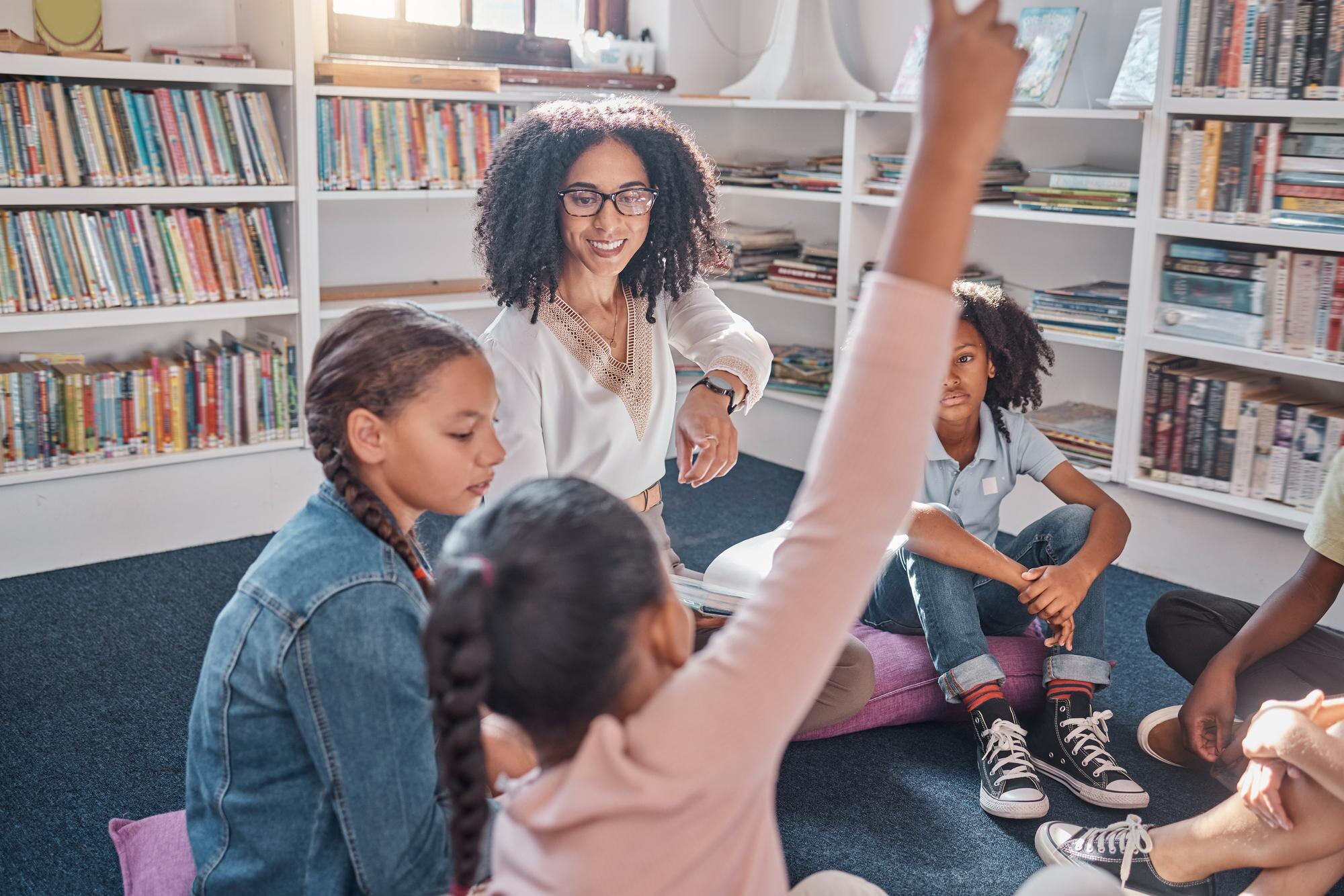
Confidence is a critical component of a gifted student’s success. This section addresses how educators can nurture self-assurance through targeted strategies and positive reinforcement.
Celebrating Individual Strengths
Each gifted student possesses unique talents that deserve recognition. Celebrating these strengths is key to building confidence. Create opportunities for students to showcase their abilities in various settings, from classroom presentations to community events.
Recognize both academic and non-academic achievements. This holistic approach ensures students feel valued for all aspects of their identity, not just their intellect.
Encourage peer recognition. When students acknowledge each other’s strengths, it reinforces a positive and supportive learning community.
Nurturing a Growth Mindset
A growth mindset is pivotal for confidence building. Encourage students to view challenges as opportunities for growth rather than obstacles. This mindset shift is supported by research from Dr. Carol Dweck, emphasizing the power of perseverance.
Teach students about neuroplasticity and the brain’s ability to grow with effort.
Reinforce effort over innate talent to emphasize the value of hard work.
Use positive reinforcement to celebrate progress and resilience.
Highlight stories of individuals who have succeeded through persistence. These narratives can inspire students to adopt a growth mindset in their own lives.
Providing Constructive Feedback
Feedback is most effective when it is constructive and specific. It should focus on effort, strategy, and progress. This not only aids learning but also builds confidence in gifted students.
Use a balance of praise and constructive advice. Praise the effort and suggest actionable steps for improvement. This approach encourages students to view feedback as a tool for growth rather than criticism.
Avoid comparisons between students. Instead, focus on individual progress, fostering a supportive environment where students feel safe to improve at their own pace.
Enhancing Emotional Well-being

Gifted students often juggle high expectations with emotional needs. This section outlines strategies to enhance their emotional well-being through balanced support.
Balancing Academic and Emotional Needs
Gifted students need a balance between academic rigor and emotional support. An effective strategy is to incorporate emotional check-ins alongside academic tasks. This ensures they don’t feel overwhelmed by expectations.
Educators can integrate social-emotional learning (SEL) into the curriculum. This approach helps students manage emotions and build healthy relationships, according to research.
Incorporate mindfulness practices to help students manage stress. These techniques can improve focus and emotional regulation, supporting both academic and emotional needs.
Developing Coping Mechanisms
Teaching coping mechanisms is vital for gifted students who often experience heightened stress. Equip them with tools to manage anxiety and pressure effectively.
Introduce relaxation techniques such as deep breathing or visualization.
Encourage physical activities like yoga or sports to relieve stress.
Promote hobbies that provide a creative outlet and relaxation.
Highlight case studies of students who have successfully used coping strategies to overcome challenges. Research shows that these tools can significantly enhance emotional resilience.
Encouraging Open Communication
Open communication fosters trust and emotional safety. Encourage students to express their thoughts and feelings without fear of judgment. This practice is fundamental for emotional well-being.
Create a classroom culture where questions and discussions are welcomed. This dialogue can help students process their experiences and emotions.
Involve parents in communication strategies. When students see a consistent support system at home and school, they feel more secure and understood.
🔍 Join our community of educators dedicated to empowering gifted students. Sign up for our newsletter today! 🌟

A certified Heal Your Life® Coach with 20+ years in education and emotional development. Supports gifted teens in navigating anxiety, perfectionism, and identity challenges, while equipping parents with practical tools for lasting transformation. Sessions blend emotional healing, mindset mastery, and strategic empowerment.



