
Top Strategies for Educators: Boosting Resilience and Confidence in Gifted Students
Gifted students face unique challenges that can leave them feeling isolated and overwhelmed. As an educator, you hold the key to unlocking their resilience and confidence. Imagine guiding them through their emotional ups and downs, helping them thrive academically and personally. In this post, you’ll find practical strategies designed to support these exceptional learners. With the right tools, you can empower them to embrace their potential and shine brightly. Ready to make a difference in their world? Let’s dive in. For further reading, check out this resource on developing resilience in gifted students.
Empowering Gifted Students

Empowering gifted students involves more than just academic excellence. It’s about fostering resilience and building their self-confidence. Emotional intelligence plays a crucial role in this process, helping them navigate complex feelings and interactions. Let’s explore how educators can nurture these essential skills.
Building Emotional Intelligence
Emotional intelligence is the ability to recognize and manage one’s own emotions and the emotions of others. For gifted students, this skill is particularly important as they often experience intense emotions. Encouraging emotional awareness can lead to better interpersonal relationships and academic performance.
Identification of Emotions: Teach students to label their feelings accurately. This can be done through daily check-ins or journaling exercises.
Understanding Emotional Triggers: Help them identify what causes certain emotions. Use role-playing scenarios to explore various emotional responses.
Developing Empathy: Encourage students to consider situations from others’ perspectives. Group discussions and cooperative learning activities can foster this skill.
Research highlights that emotional intelligence in gifted students can reduce anxiety and improve resilience. For more insights, visit this resource.
Nurturing Self-Confidence
Self-confidence is critical for gifted students to reach their full potential. It involves a belief in one’s abilities and the courage to face new challenges. Educators can play a significant role in building this confidence.
Gifted students often feel pressure to excel and may fear failure. Combat this by celebrating effort over outcomes. Recognize their hard work and encourage a balanced view of success and failure.
Encourage Goal-Setting: Help students set realistic and achievable goals, breaking larger tasks into manageable steps.
Provide Constructive Feedback: Use feedback as a tool for growth. Highlight strengths and suggest areas for improvement with sensitivity.
Showcase Achievements: Regularly celebrate student achievements, both big and small, to boost their confidence.
For more strategies on nurturing self-confidence, read this article on teaching gifted students.
Strategies for Resilience
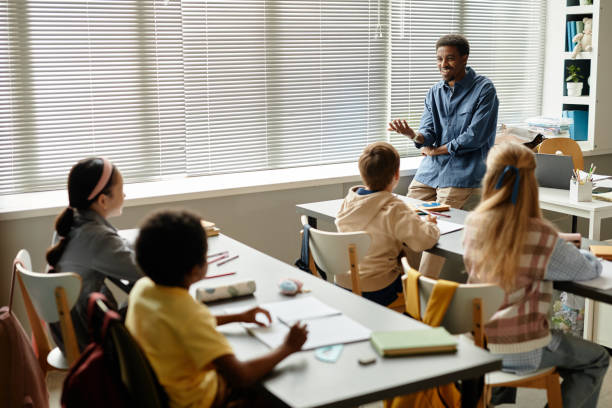
Building resilience in gifted students equips them to handle challenges with grace and persistence. This section delves into the strategies educators can employ to instill a growth mindset and develop emotional coping skills.
Encouraging Growth Mindset
A growth mindset is the belief that abilities can be developed through dedication and hard work. This mindset fosters resilience in gifted students, enabling them to view setbacks as opportunities for growth rather than failures.
Carol Dweck’s research on growth mindset emphasizes the importance of effort and learning over innate ability. Gifted students benefit from understanding that talents can be honed.
Praise Effort, Not Intelligence: Focus on the process rather than the result. Highlight perseverance and problem-solving.
Model a Growth Mindset: Share your own learning experiences and how you’ve overcome challenges.
Encourage Curiosity: Foster a love for learning by encouraging questions and exploration.
For additional strategies, explore this comprehensive guide on building resilience.
Developing Emotional Coping Skills
Gifted students often face unique emotional challenges. Developing emotional coping skills is vital for their well-being. These skills help them manage stress, anxiety, and intense emotions effectively.
Case Study Example: A gifted student struggled with perfectionism, which led to anxiety. Through targeted interventions, she learned to manage stress better.
Introduce Relaxation Techniques: Teach breathing exercises, mindfulness, and meditation to promote calmness.
Encourage Expression: Provide outlets for emotional expression, such as art, music, or writing.
Facilitate Peer Support: Create peer groups where students can share experiences and support each other.
These techniques are further detailed in this resource on addressing the social-emotional needs of gifted students.
Educator Support Techniques
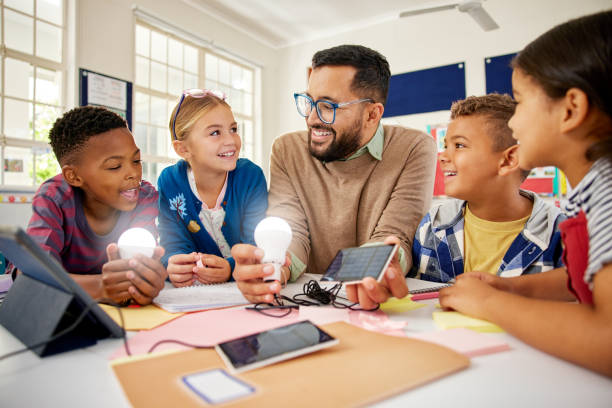
Educators play a pivotal role in the development of gifted students. By implementing personalized learning approaches and creating safe learning environments, they can significantly enhance student resilience and confidence.
Personalized Learning Approaches
Personalized learning tailors educational experiences to meet the unique needs of each student. For gifted students, this approach can maximize engagement and growth.
Assess Individual Needs: Regularly assess and understand the diverse needs of each student.
Design Customized Plans: Develop individualized learning plans that cater to students’ strengths and interests.
Incorporate Varied Teaching Methods: Use a mix of lectures, hands-on activities, and digital tools to cater to different learning styles.
By adopting these approaches, educators can better support gifted students. More insights can be found here.
Creating a Safe Learning Environment
A safe and supportive learning environment is crucial for gifted students to thrive. It fosters trust, encourages risk-taking, and builds resilience.
Table Comparison:
Safe Environment | Unsafe Environment |
|---|---|
Encourages dialogue | Discourages questions |
Values diversity | Promotes conformity |
Supports mistakes as learning | Punishes errors |
Key Strategies:
Promote Inclusivity: Ensure all students feel valued and respected, regardless of their backgrounds or abilities.
Establish Clear Expectations: Set clear rules and boundaries to create a predictable and safe space.
Foster Open Communication: Encourage students to express their concerns and ideas without fear of judgment.
For further reading, visit this resource on creating safe spaces for gifted students.
In conclusion, empowering gifted students with resilience and confidence involves a holistic approach. By focusing on emotional intelligence, personalized learning, and supportive environments, educators can make a significant impact. 🌟

A certified Heal Your Life® Coach with 20+ years in education and emotional development. Supports gifted teens in navigating anxiety, perfectionism, and identity challenges, while equipping parents with practical tools for lasting transformation. Sessions blend emotional healing, mindset mastery, and strategic empowerment.



