Empowering Educators: Top Strategies to Foster Resilience and Confidence in Gifted Students
Gifted students often face challenges that go beyond academics. Imagine a classroom where your brightest minds struggle silently with perfectionism and anxiety. As an educator, you have the power to change this narrative. By focusing on resilience in education and confidence building, you can support these exceptional individuals in thriving both emotionally and personally. This guide will provide you with practical educator strategies to empower and uplift your gifted students, fostering their growth and emotional support. Let’s begin this transformative journey together. For more insights, you can explore resources like this article on building resilience.
Building Resilience in Education
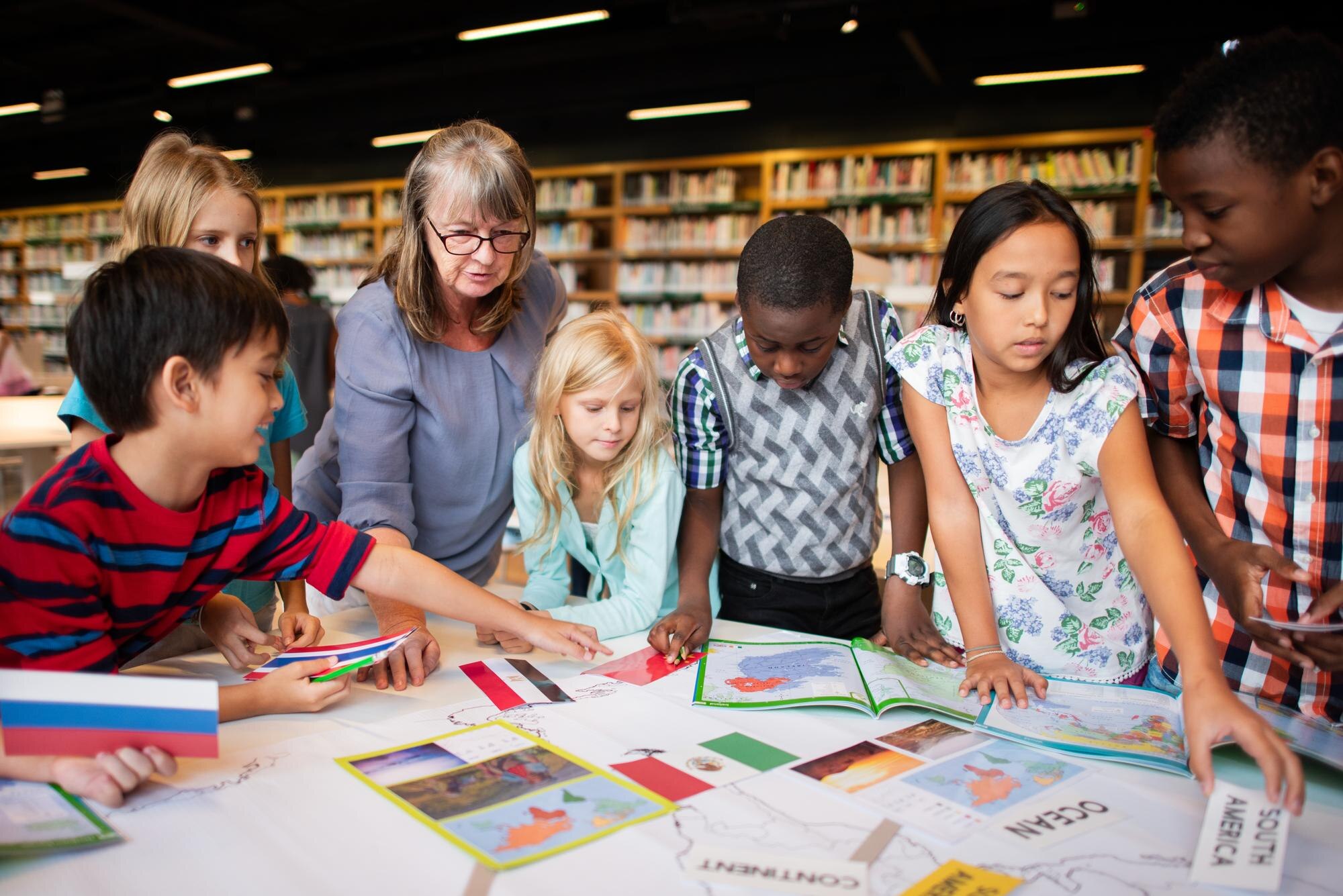
Building resilience in gifted students is crucial for their emotional and personal growth. Resilience in education involves equipping students with the tools to manage stress and adversity. This section explores how educators can recognize emotional triggers and encourage a growth mindset to help gifted students navigate challenges effectively.
Recognizing Emotional Triggers
Recognizing emotional triggers is the first step in building resilience. Gifted students often face unique emotional challenges that require careful attention. Understanding these triggers enables educators to provide better support.
Some common triggers include perfectionism, fear of failure, and peer pressure.
Acknowledging these triggers involves observing students’ reactions to various situations and noting patterns of behavior.
Educators can also use emotional check-ins to allow students to express their feelings openly.
A real-world example can be seen in classrooms where teachers conduct regular surveys to gather feedback on students’ emotional well-being. Insights from these surveys help in tailoring support strategies that address specific triggers.
For more in-depth strategies on identifying and addressing emotional triggers, refer to this resource.
Encouraging Growth Mindset
Encouraging a growth mindset is integral to fostering resilience. This mindset helps students view challenges as opportunities for learning rather than obstacles.
Emphasize the importance of effort and persistence over innate ability.
Use language that promotes learning from mistakes and embracing challenges.
Share stories of individuals who have overcome adversity through a growth mindset.
Consider the case of a student who initially struggled in mathematics. With encouragement to adopt a growth mindset, the student began to see mistakes as learning opportunities. Over time, their performance improved, and their confidence soared.
To understand how to implement growth mindset strategies in classrooms, explore this article.
Confidence Building Techniques
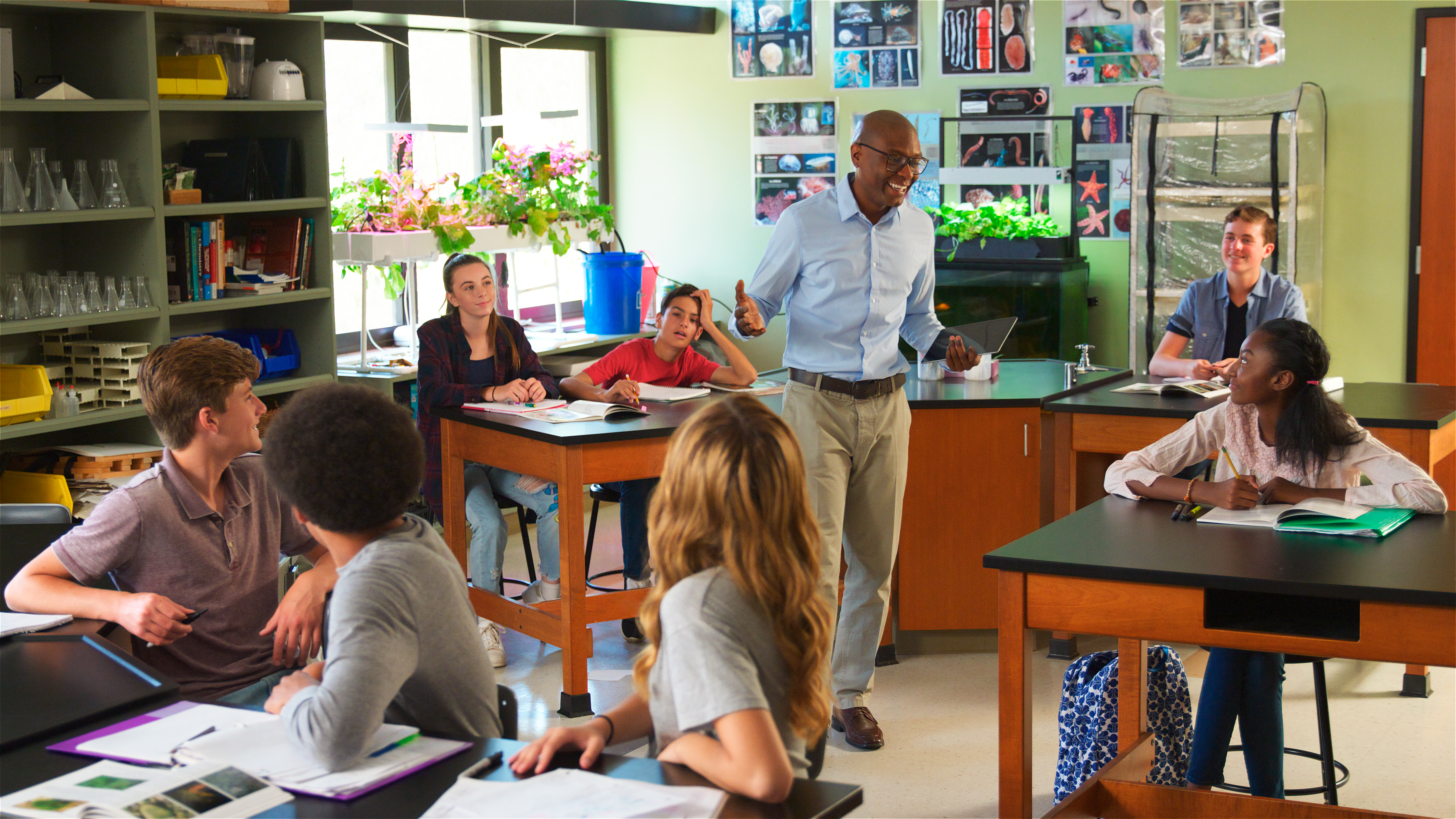
Confidence building is essential in empowering gifted students to reach their full potential. By celebrating small wins and promoting self-reflection, educators can help students develop a strong sense of self-worth and achievement.
Celebrating Small Wins
Celebrating small wins is a powerful way to boost confidence. Recognizing and celebrating achievements, no matter how minor they seem, can motivate students to strive for more.
Encourage students to set achievable goals that lead to larger accomplishments.
Provide positive feedback and acknowledge progress regularly.
Organize class activities where students can share their successes with peers.
A classroom example involves a teacher who holds weekly sessions for students to present their recent achievements. Celebrating these small wins helps create an environment where students feel valued and motivated.
For insights on how to effectively celebrate small wins, visit this guide.
Promoting Self-Reflection
Promoting self-reflection encourages students to assess their strengths and areas for development. This practice fosters self-awareness and personal growth.
Introduce journaling activities where students can reflect on their experiences and emotions.
Use guided questions to help them explore their thoughts and feelings.
Facilitate discussions that allow students to share reflections with their peers, promoting empathy and understanding.
In a case study, students who engaged in regular self-reflection reported increased self-awareness and confidence. They began to understand their emotions better and were more equipped to handle challenges.
Find more strategies on promoting self-reflection in this insightful post.
Educator Strategies for Emotional Support
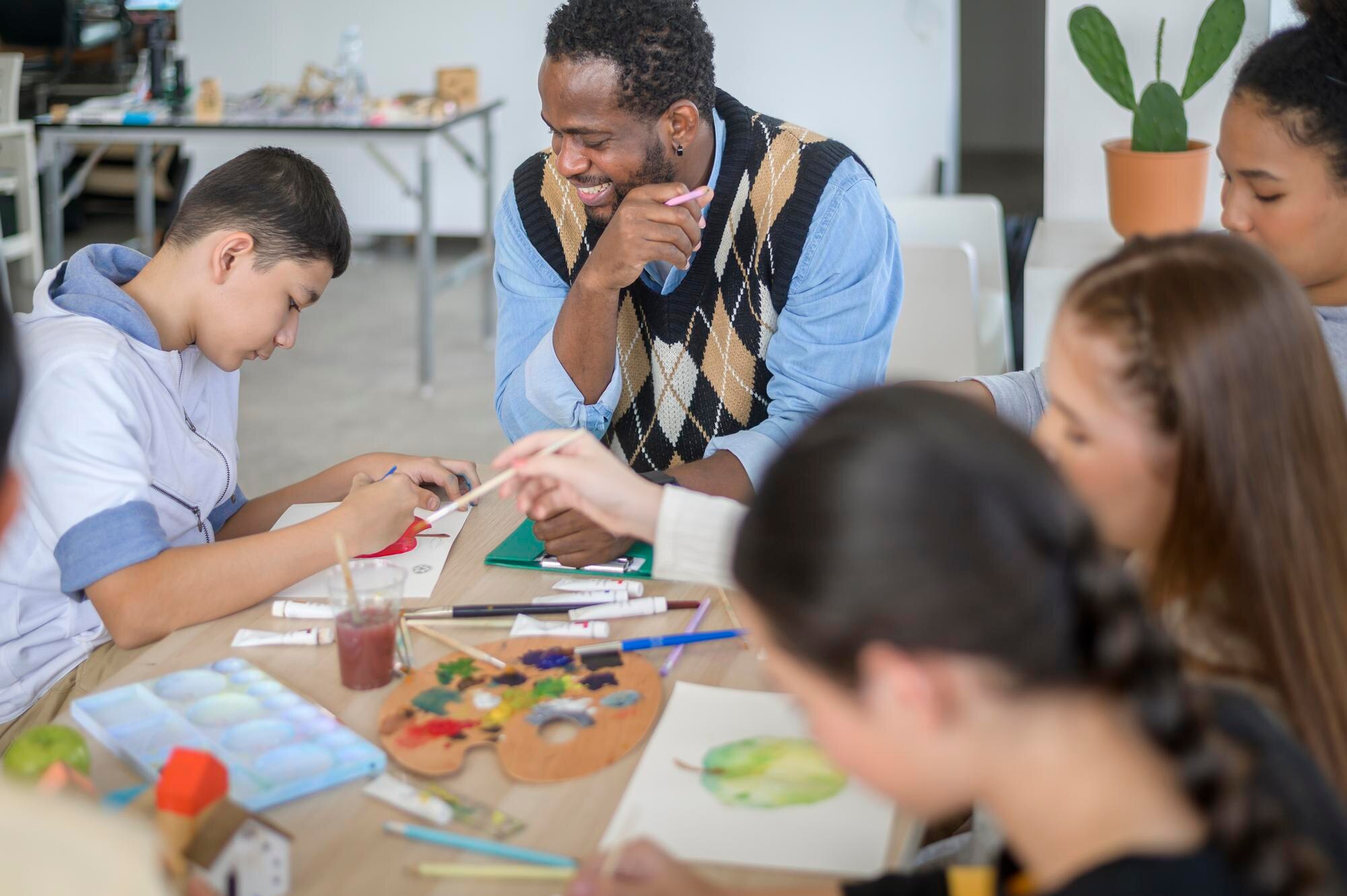
Emotional support plays a pivotal role in the well-being of gifted students. By creating safe spaces and fostering peer connections, educators can provide the necessary support for their emotional and social development.
Creating Safe Spaces
Creating safe spaces is essential for students to express themselves freely and without judgment. This environment fosters trust and openness.
Designate a classroom area where students can retreat for quiet reflection.
Implement open-door policies that encourage students to share their concerns.
Conduct regular sessions focused on emotional well-being and mental health.
In practice, teachers who prioritize safe spaces notice improved student engagement and a willingness to participate in class discussions.
For more on creating welcoming environments for gifted students, refer to this comprehensive guide.
Fostering Peer Connections
Fostering peer connections helps students build a support network, enabling them to share experiences and learn from one another.
Organize group activities that encourage teamwork and collaboration.
Pair students with peer mentors who can offer guidance and advice.
Facilitate peer-led discussions on topics of interest to strengthen bonds.
Real-world examples highlight the success of peer support groups in enhancing students’ social skills and emotional resilience. These groups create a sense of belonging and acceptance.
Explore more approaches to fostering peer connections in this blog.
🌟

A certified Heal Your Life® Coach with 20+ years in education and emotional development. Supports gifted teens in navigating anxiety, perfectionism, and identity challenges, while equipping parents with practical tools for lasting transformation. Sessions blend emotional healing, mindset mastery, and strategic empowerment.



