
Multiethnic teacher and kids studying electricity and incandescent light bulb at physics lesson in bright classroom
Empowering Gifted Students: Strategies for Educators to Build Resilience and Confidence
Nurturing the minds of gifted students is both a privilege and a challenge. You see their potential, but the journey often includes emotional hurdles. How do you help them build resilience and confidence while supporting their emotional well-being? This blog post reveals proven educational strategies to empower these exceptional learners. You’ll uncover practical tools to foster resilience, giving gifted students the strength to soar. Implement these insights in your classroom and join VK Creative Circle’s workshops for deeper support. Let’s transform potential into powerful growth. Learn more about building resilience in gifted students.## Building Emotional Resilience

Building emotional resilience in gifted students is crucial for navigating life’s challenges. It involves equipping them with the skills to handle stress and adversity effectively. Let’s explore strategies to foster a resilient mindset.
Creating Safe Spaces
Creating a safe space is essential for fostering emotional resilience in gifted students. Safe spaces are environments where students feel secure and free to express their thoughts without fear of judgment. In these spaces, students can explore their emotions and develop coping strategies.
Establish trust: Build a relationship of trust with students by being consistent and supportive.
Encourage open dialogue: Let students share their feelings and thoughts freely.
Maintain confidentiality: Ensure that their personal experiences remain private unless they give permission to share.
A safe classroom environment promotes emotional growth. Students feel understood and supported, which encourages them to take risks and learn from their mistakes.
In an example from a middle school, teachers found that when they actively listened to students, the students felt more empowered. This led to an increase in class participation and a noticeable improvement in their emotional resilience.
By nurturing safe spaces, educators can help gifted students develop the strength to face challenges head-on. 🌟
Encouraging Emotional Expression
Encouraging emotional expression is key to building resilience. Gifted students often experience intense emotions, and guiding them to express these feelings constructively is vital.
To support emotional expression, consider these approaches:
Model emotional literacy: Demonstrate how to articulate feelings using clear and descriptive language.
Use creative outlets: Encourage students to express themselves through art, music, or writing.
Foster peer support: Create opportunities for students to share experiences and provide feedback to each other.
Research suggests that when students learn to express emotions, they can better manage stress. This, in turn, boosts their overall emotional well-being and resilience.
A case study showed that after implementing art therapy sessions, students reported feeling more balanced and in control of their emotions. This led to better academic performance and improved peer relationships.
By facilitating emotional expression, educators empower students to navigate their feelings and build resilience. 💪
Confidence Building Techniques
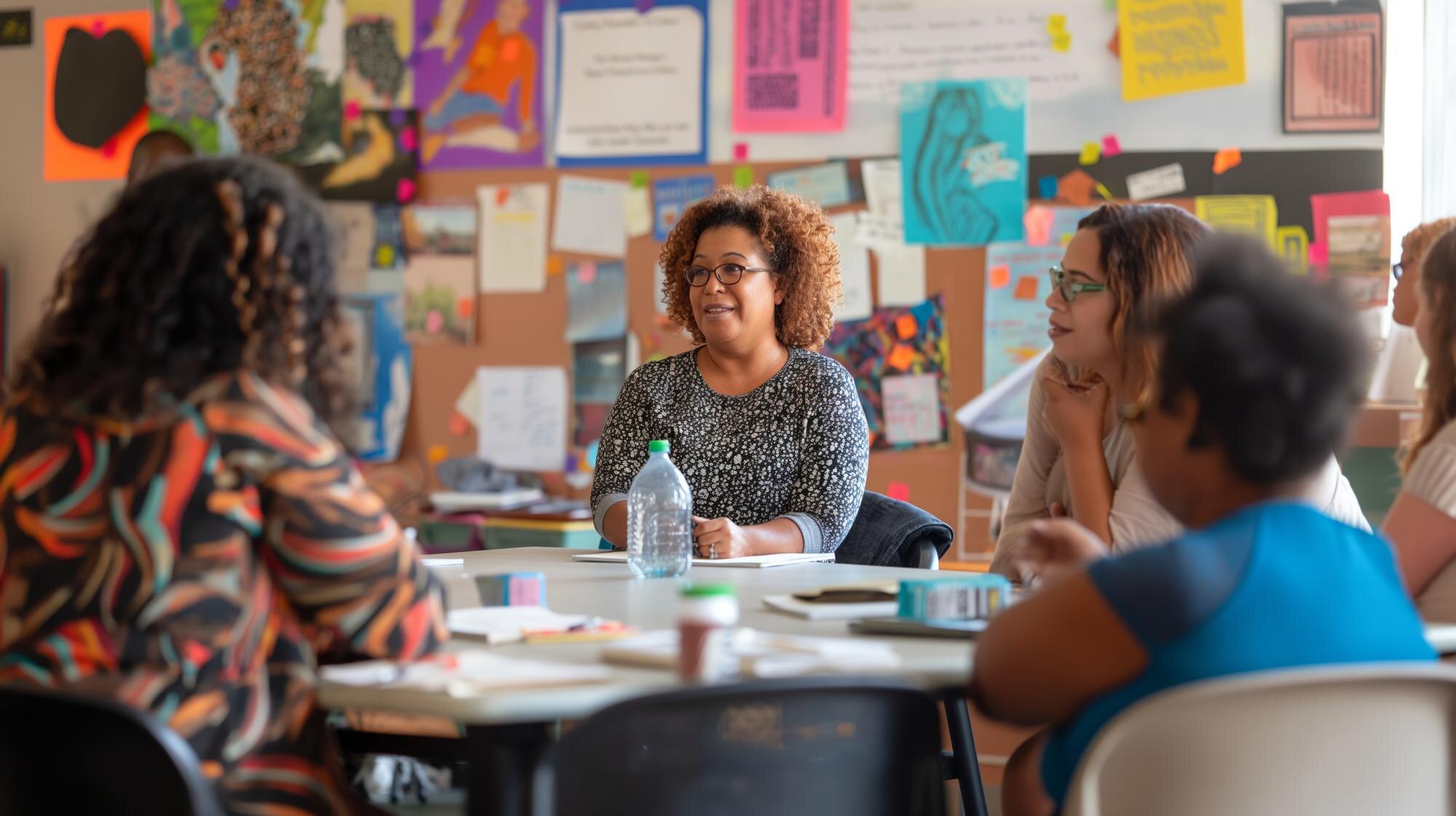
Confidence is a cornerstone of success for gifted students. When they feel confident, they are more likely to take on new challenges and excel. Here are some strategies to bolster their confidence.
Celebrating Individual Strengths
Celebrating individual strengths is a powerful way to build confidence. Recognizing and valuing each student’s unique talents fosters a positive self-image.
Highlight achievements: Regularly acknowledge students’ accomplishments, no matter how small.
Encourage peer recognition: Promote a classroom culture where students celebrate each other’s successes.
Personalize learning: Adapt lessons to cater to students’ strengths, allowing them to shine.
A study on confidence building found that students who received regular positive reinforcement felt more capable and motivated. This confidence translated into greater academic engagement and success.
For example, in a diverse classroom, a teacher implemented a “strengths board” where students shared their achievements. This simple act of recognition boosted morale and encouraged students to pursue their interests with confidence.
By celebrating strengths, educators help students develop a robust sense of self-worth and confidence. ✨
Providing Constructive Feedback
Providing constructive feedback is essential for growth and confidence building. Feedback should be specific, actionable, and supportive.
Be specific: Clearly outline what the student did well and areas for improvement.
Focus on effort: Highlight the effort put into tasks, not just the results.
Offer solutions: Provide suggestions for improvement and encourage students to set goals.
Constructive feedback enables students to understand their progress and areas needing attention. This empowers them to take ownership of their learning journey.
In a classroom where constructive feedback was prioritized, students reported feeling more capable of tackling difficult tasks. They valued feedback as a tool for growth rather than criticism.
By offering constructive feedback, educators can inspire confidence and a growth mindset in gifted students. 🌟
Resources for Educators
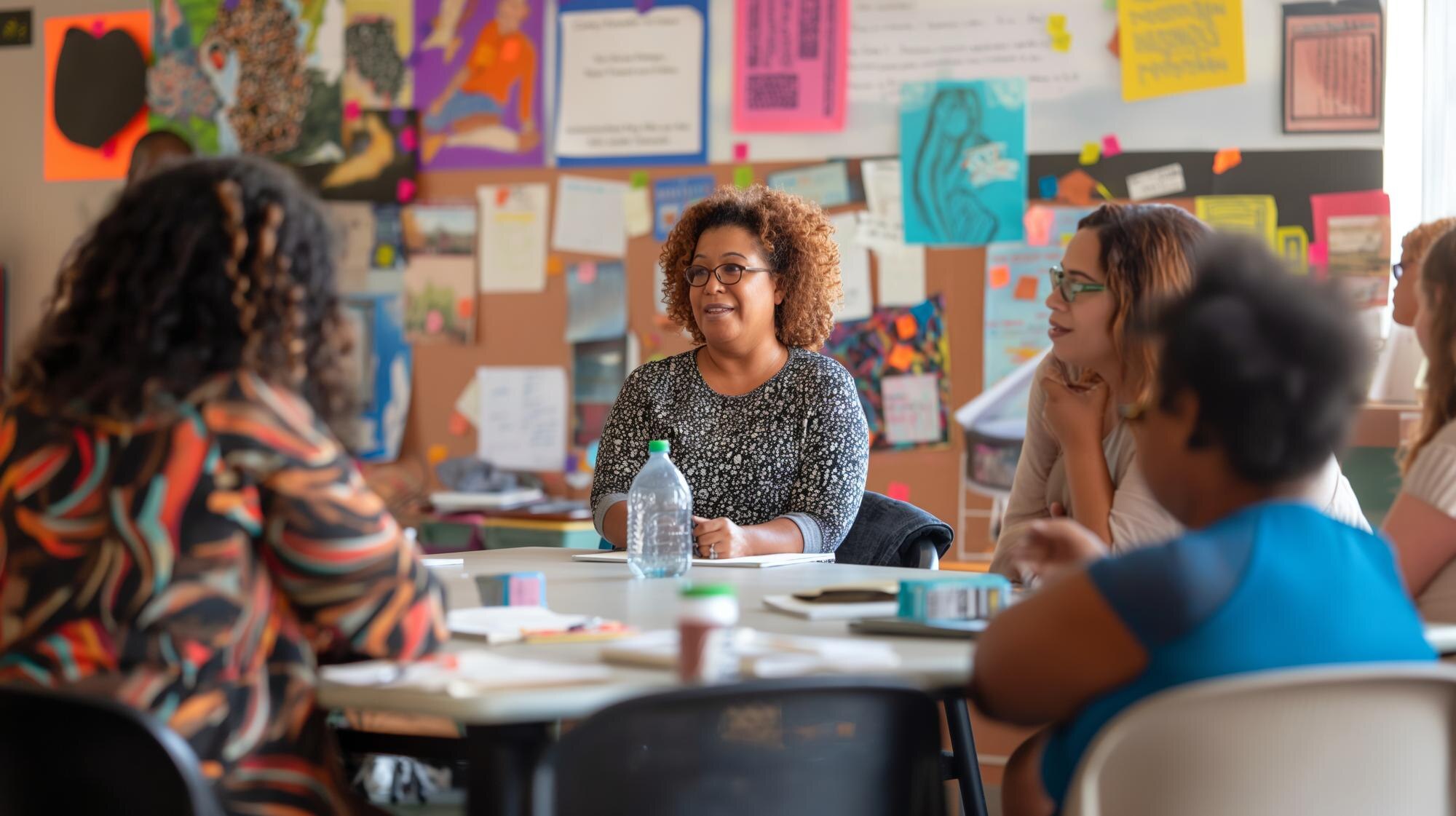
Educators play a vital role in supporting the emotional well-being and confidence of gifted students. Access to resources and strategies is crucial for effective teaching.
Classroom Strategies
Implementing classroom strategies can enhance the emotional and educational experiences of gifted students.
Effective strategies include:
Differentiated instruction: Tailor lessons to accommodate varying abilities and interests.
Peer collaboration: Encourage teamwork to foster social skills and diverse perspectives.
Mindfulness activities: Incorporate practices that promote relaxation and focus.
According to ESC’s resource page, these strategies help create a supportive environment for gifted learners.
Incorporating these strategies leads to a more inclusive and engaging classroom, where students feel valued and understood.
By utilizing classroom strategies, educators can enhance the learning experience and emotional resilience of gifted students.
VK Creative Circle Workshops
For deeper insights into supporting gifted students, consider attending workshops offered by VK Creative Circle.
Workshop highlights include:
Interactive sessions: Engage with practical activities and real-world scenarios.
Expert guidance: Learn from seasoned educators and psychologists.
Resource sharing: Access a wealth of materials and strategies for immediate implementation.
The workshops provide a platform for educators to expand their knowledge and skills.
Participants have reported significant improvements in their ability to address the emotional needs of gifted students after attending these workshops.
By participating in VK Creative Circle workshops, educators can gain valuable insights and resources to better support their students. 💪
🌟✨💪

A certified Heal Your Life® Coach with 20+ years in education and emotional development. Supports gifted teens in navigating anxiety, perfectionism, and identity challenges, while equipping parents with practical tools for lasting transformation. Sessions blend emotional healing, mindset mastery, and strategic empowerment.



