
Empowering Educators: Top Strategies to Foster Resilience and Confidence in Gifted Students
Gifted students often face a unique set of challenges. Their potential may soar, but emotional hurdles can clip their wings. As educators, your role in nurturing resilience and confidence is crucial. We’ll explore practical teaching strategies that support mental well-being and emotional growth in gifted education. Prepare to transform your classroom into a haven where gifted students thrive not just academically, but emotionally too. Ready to make a real difference? Let’s dive in.
Cultivating Resilience in Gifted Students

Gifted students require specialized support to navigate their emotional and academic landscapes. Cultivating resilience is a crucial step in ensuring they can face challenges with confidence. This section will delve into building emotional support networks and fostering a growth mindset to help these students thrive.
Building Emotional Support Networks
Creating a robust emotional support network is essential for gifted students. This includes connecting them with like-minded peers and mentors who understand their unique challenges. An important aspect of this network is encouraging open communication. Students should feel safe to express their feelings and thoughts without judgment.
Facilitate group activities where students can share their experiences and learn from one another.
Introduce mentorship programs pairing students with mentors who have navigated similar paths.
Engage with parents and caregivers to create a holistic support system at home and school.
Real-world examples show that students with strong emotional networks often report higher satisfaction and reduced stress levels. A study from NAGC emphasizes the positive impact of such networks on resilience development.
Encouraging Growth Mindset Practices
A growth mindset is a belief that abilities can be developed through dedication and hard work. Encouraging this mindset in gifted students can significantly impact their resilience. Carol Dweck’s research on mindsets highlights how a growth perspective fosters resilience and a willingness to tackle challenges.
Praise effort, not just results. This shifts focus from innate ability to the value of perseverance.
Use setbacks as learning opportunities. Encourage students to view mistakes as part of the learning process.
Incorporate reflective practices. Have students regularly reflect on what they’ve learned and how they’ve grown.
An article from Gifted Challenges provides practical strategies for instilling a growth mindset in the classroom.
Boosting Confidence Through Teaching Strategies

Gifted students often struggle with self-confidence due to high expectations. Effective teaching strategies can help bolster their confidence. In this section, we will explore ways to empower student voice and celebrate individual achievements.
Empowering Student Voice
Empowering student voice involves actively listening to students and valuing their input. This can transform the classroom environment, making it more inclusive and engaging. Students who feel heard are more likely to engage deeply with their learning.
Incorporate student-led projects where students choose topics they are passionate about.
Hold regular class discussions to encourage students to express their ideas and opinions.
Implement feedback loops where students can evaluate and influence the learning process.
ESC Region 13 highlights the importance of student empowerment in boosting confidence and improving overall educational outcomes.
Celebrating Individual Achievements
Recognizing and celebrating achievements, both big and small, is crucial for building confidence in gifted students. Acknowledge the effort and progress they make in various areas, not just academic success.
Create a “Wall of Fame” to display student accomplishments.
Organize award ceremonies to honor diverse achievements.
Send personalized notes recognizing individual contributions.
According to Psychology Perspective, acknowledging accomplishments can significantly enhance a student’s self-image and motivation.
Enhancing Mental Well-Being in Gifted Education
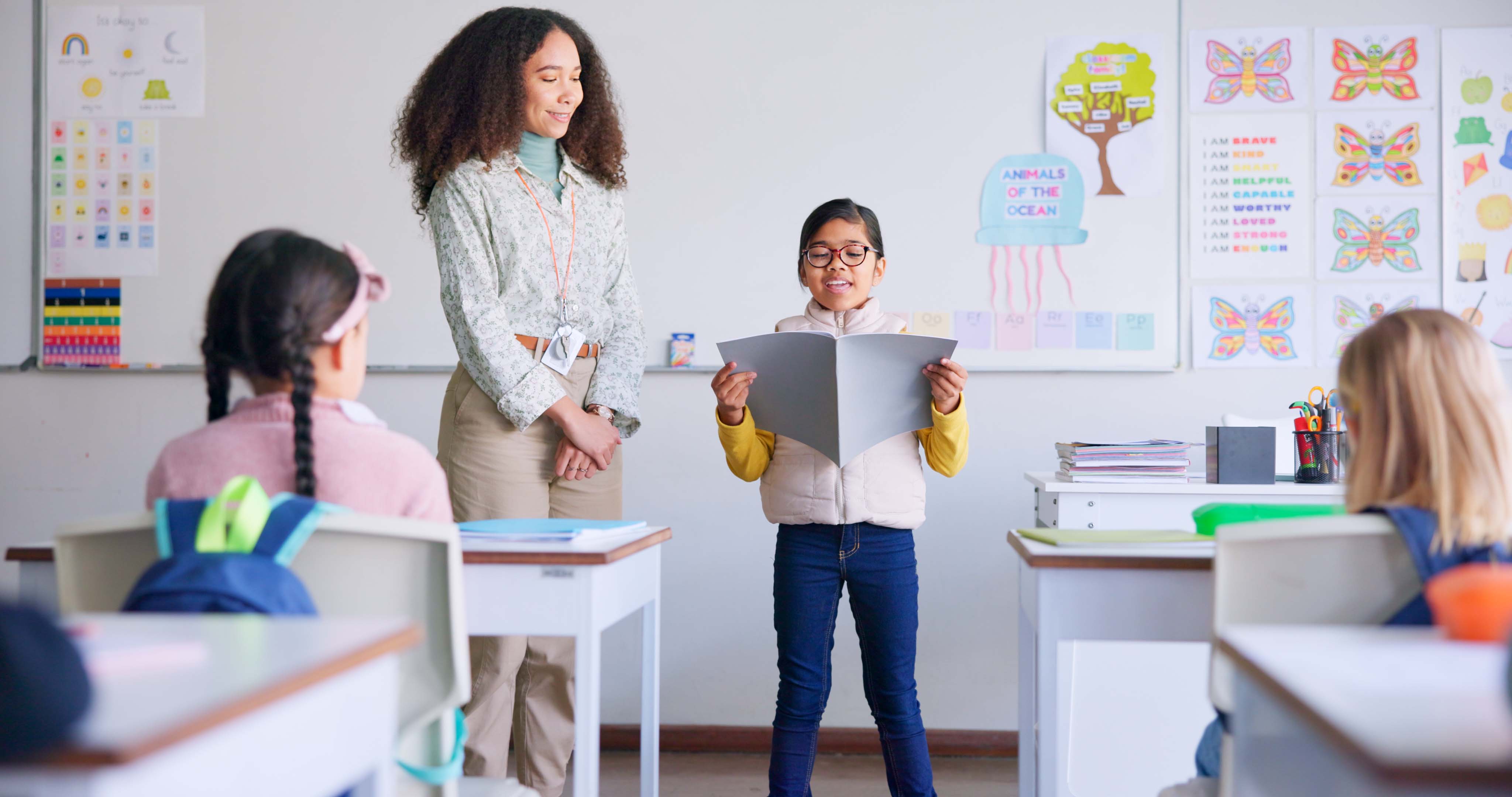
Mental well-being is a cornerstone of success for gifted students. This section will discuss strategies for managing perfectionism and techniques for reducing anxiety, helping students maintain a balanced and healthy approach to their education.
Strategies for Managing Perfectionism
Perfectionism can be both a motivator and a barrier. For gifted students, it often leads to anxiety and burnout. Managing this trait requires intentional strategies that promote a healthier perspective on success and failure.
Set realistic goals that challenge but do not overwhelm.
Encourage self-compassion by teaching students to be kind to themselves when they fall short.
Model healthy coping mechanisms for dealing with setbacks and mistakes.
Gifted Challenges discusses how addressing perfectionism is vital for maintaining emotional well-being and fostering a healthier learning environment.
Techniques for Reducing Anxiety
Anxiety is a common issue among gifted students, often stemming from high expectations and self-imposed pressure. Implementing anxiety-reduction techniques can help students manage stress and maintain focus.
Teach mindfulness practices such as deep breathing and meditation to promote relaxation.
Provide organizational tools to help students manage their workload effectively.
Offer regular check-ins with counselors or trusted mentors for emotional support.
ESC Region 13 emphasizes that reducing anxiety is crucial for promoting a positive educational experience for gifted students.
🌟 Sign up for our newsletter to receive exclusive tips and strategies directly to your inbox! 🌟

A certified Heal Your Life® Coach with 20+ years in education and emotional development. Supports gifted teens in navigating anxiety, perfectionism, and identity challenges, while equipping parents with practical tools for lasting transformation. Sessions blend emotional healing, mindset mastery, and strategic empowerment.



