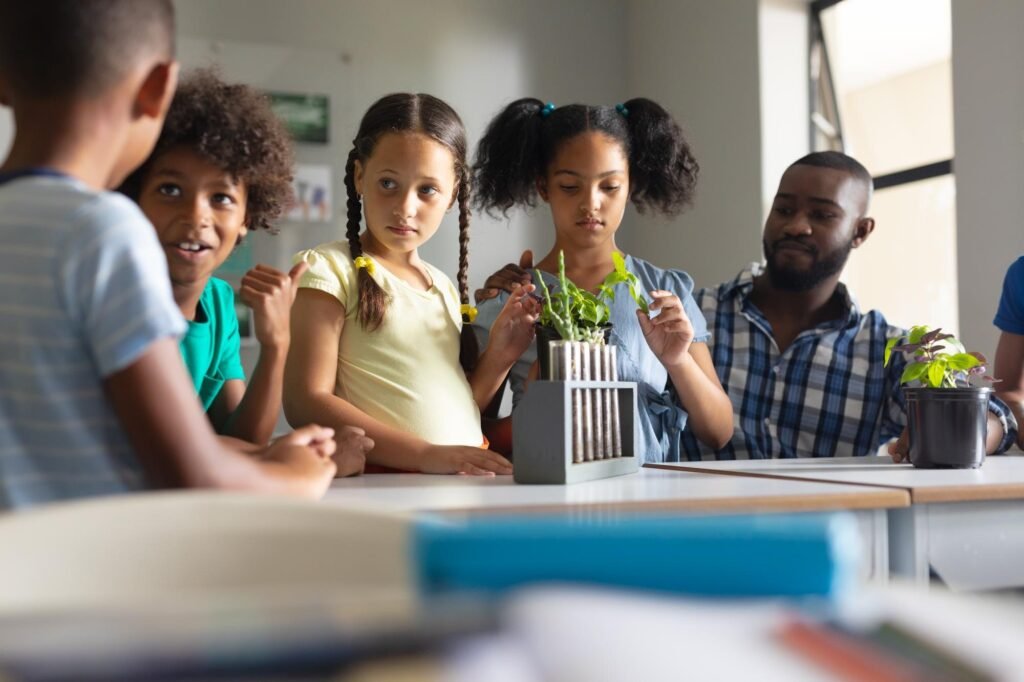
Empowering Gifted Students: Top Strategies for Educators to Build Resilience and Confidence
Gifted students often face pressures that go beyond the classroom. As an educator, you’re tasked with nurturing not just their minds but their hearts as well. It’s not always easy to know where to start. Yet, with the right strategies, you can help these students build resilience and confidence, setting them up for a lifetime of success. In this post, you’ll find practical tools to foster emotional well-being in gifted education. Discover the transformative impact you can have by integrating these strategies into your approach. For more insights, visit this resource.
Building Emotional Resilience
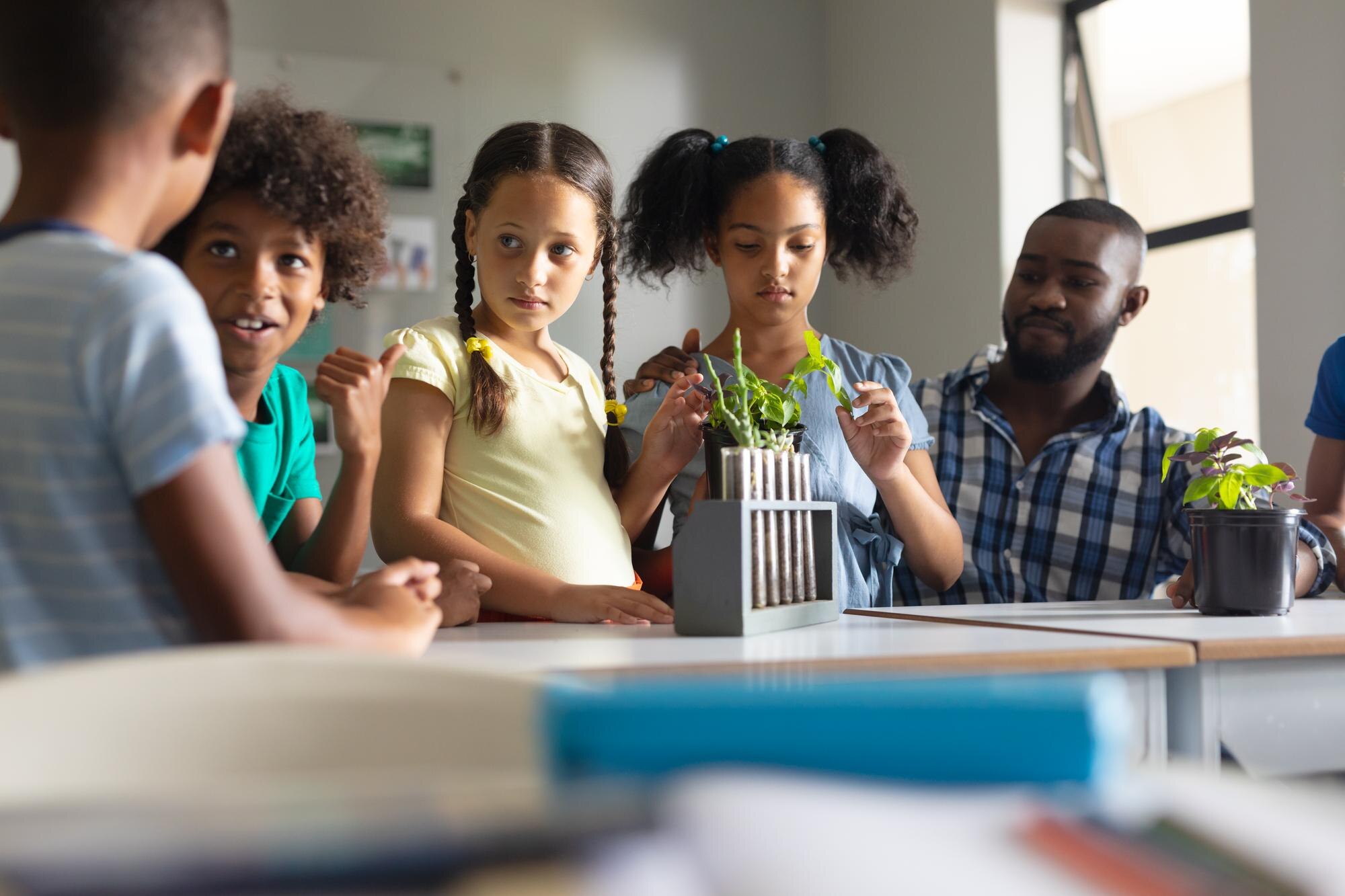
Building emotional resilience in gifted students involves recognizing their unique emotional and intellectual needs. This section delves into understanding these needs and offers strategies for fostering resilience in educational settings.
Understanding Gifted Students’ Needs
Gifted students often exhibit heightened sensitivity and intense emotions. Understanding these traits is crucial for developing effective resilience strategies. These students may face unique challenges such as perfectionism, social isolation, and asynchronous development, where their intellectual abilities outpace emotional growth.
Educators need to recognize that the emotional needs of gifted students can differ significantly from their peers. Acknowledging these differences can foster empathy and create a supportive learning environment. It’s essential to listen actively and validate their feelings without minimizing their experiences.
Real-world examples show that by addressing emotional needs, gifted students can thrive academically and socially. Schools that provide tailored support report increased student satisfaction and reduced anxiety levels. For more insights, visit the Gifted Challenges blog.
Strategies for Resilience in Education
Implementing resilience strategies in education requires a multi-faceted approach. Educators can start by creating a classroom environment that promotes open communication and trust.
Encourage Self-Reflection: Allow students to express their thoughts and feelings through journals or discussions.
Teach Coping Skills: Equip students with tools to manage stress, like breathing exercises or mindfulness practices.
Foster a Growth Mindset: Reinforce the idea that challenges are opportunities for growth rather than obstacles.
By integrating these strategies, educators can help gifted students develop resilience. Evidence shows that students who learn to manage their emotions and stress become more adaptable and perform better academically. Explore more techniques at Genie Academy.
Boosting Confidence in Gifted Education
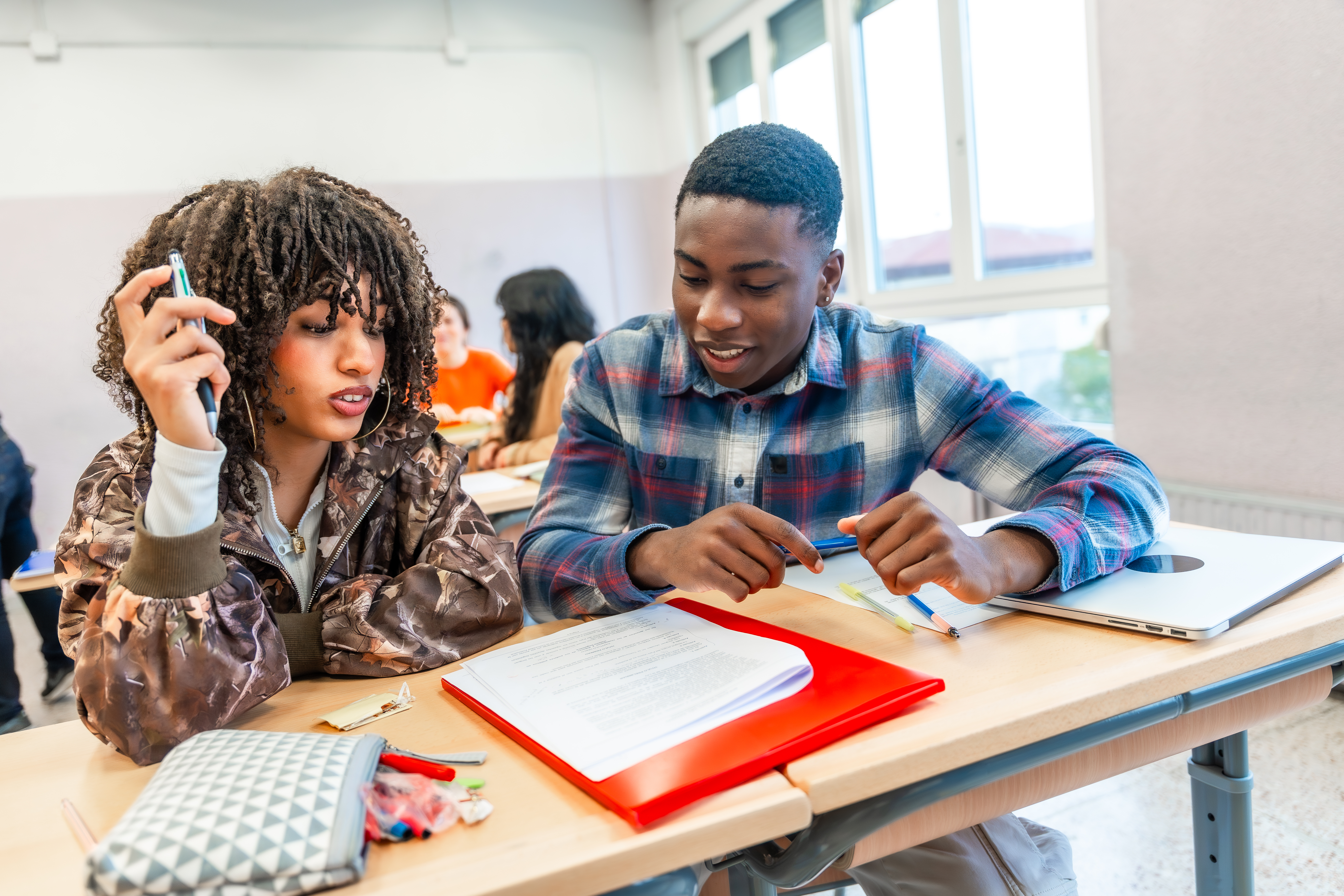
Confidence is key to the success of gifted students. This section explores techniques to build their confidence and enhance their emotional well-being.
Confidence Building Techniques
Building confidence in gifted students means empowering them to take risks and embrace challenges. This can be achieved by focusing on their strengths and encouraging self-assurance.
Educators can use specific techniques to foster confidence. Providing positive feedback and recognizing achievements play a crucial role. Encouraging students to set realistic goals and pursue them can also boost their confidence.
Research shows that students with high self-esteem are better prepared to face academic and personal challenges. They are more likely to participate in class and express their ideas. For further reading, check out the insights from ESC.
Encouraging Emotional Well-Being
Emotional well-being is vital for gifted students to thrive. Creating a supportive atmosphere can significantly impact their mental health.
Educators should focus on building connections with students. By showing genuine interest and offering empathy, teachers can make students feel valued and understood.
Implementing programs that focus on emotional intelligence can also be beneficial. These programs teach students to recognize and manage their emotions effectively. Real-life examples demonstrate that students who participate in these programs often exhibit enhanced social skills and emotional regulation.
Practical Educator Strategies

Educators play a pivotal role in supporting gifted students. This section offers practical strategies for creating a supportive environment and highlights resources available through VK Creative Circle.
Creating a Supportive Environment
Creating a supportive environment involves more than just academic support. It’s about nurturing a space where gifted students feel safe to express themselves.
Foster Inclusivity: Ensure that all students feel included and respected.
Promote Collaboration: Encourage group activities that allow students to learn from each other’s strengths.
Provide Resources: Offer access to materials and support systems tailored to gifted students.
A supportive environment can lead to improved academic performance and emotional well-being. Students who feel supported are more likely to engage actively in their learning process.
VK Creative Circle Resources 🌟
VK Creative Circle offers resources designed to empower gifted students. These resources include 1:1 coaching, parent coaching, and interactive workshops that combine emotional healing with high-performance strategies.
Key Offerings:
1:1 Private Coaching: Tailored sessions focusing on individual needs and goals.
Parent Coaching: Guidance for parents to support their gifted children effectively.
Workshops: Interactive sessions that integrate emotional well-being with academic growth.
By leveraging these resources, educators and parents can better support gifted students in their journey toward resilience and confidence. For more information, visit Psychology Perspective. 🌟

A certified Heal Your Life® Coach with 20+ years in education and emotional development. Supports gifted teens in navigating anxiety, perfectionism, and identity challenges, while equipping parents with practical tools for lasting transformation. Sessions blend emotional healing, mindset mastery, and strategic empowerment.



