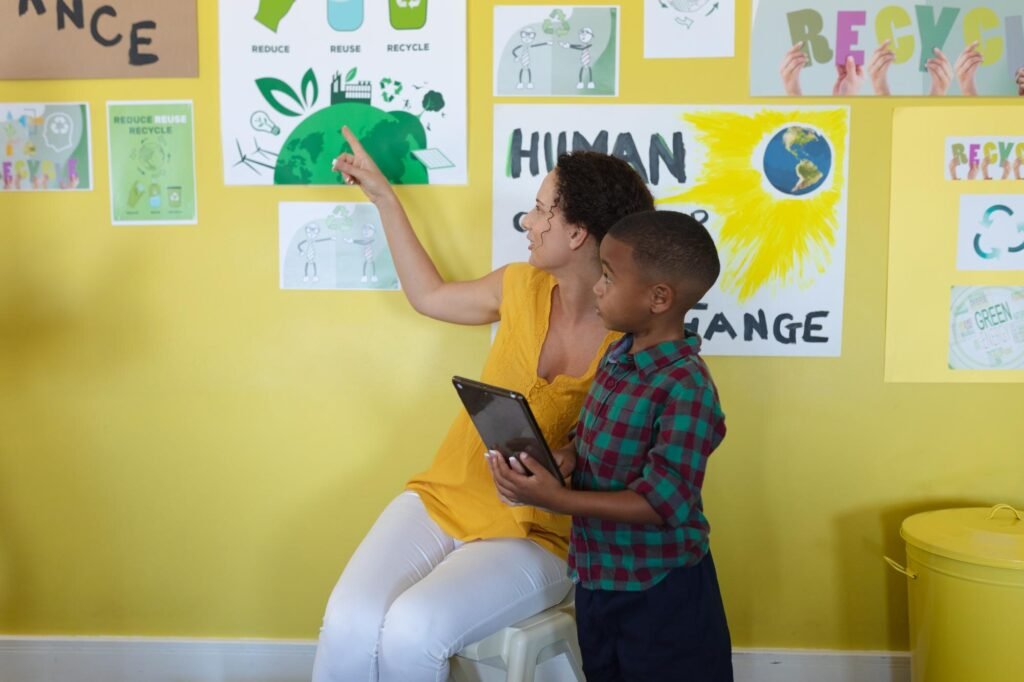
Empowering the Gifted: Top Strategies for Educators to Foster Resilience and Confidence
Gifted students often face unique challenges that can leave them feeling overwhelmed and misunderstood. As an educator, you have the power to change this narrative, fostering resilience and confidence in your students. Imagine equipping them with the tools to thrive both emotionally and academically. In this blog, you’ll uncover top strategies in gifted education that promise to transform your approach and provide the support your students truly need. Ready to empower your gifted students? Let’s dive into these actionable insights and start making a difference today.
Building Resilience in Students
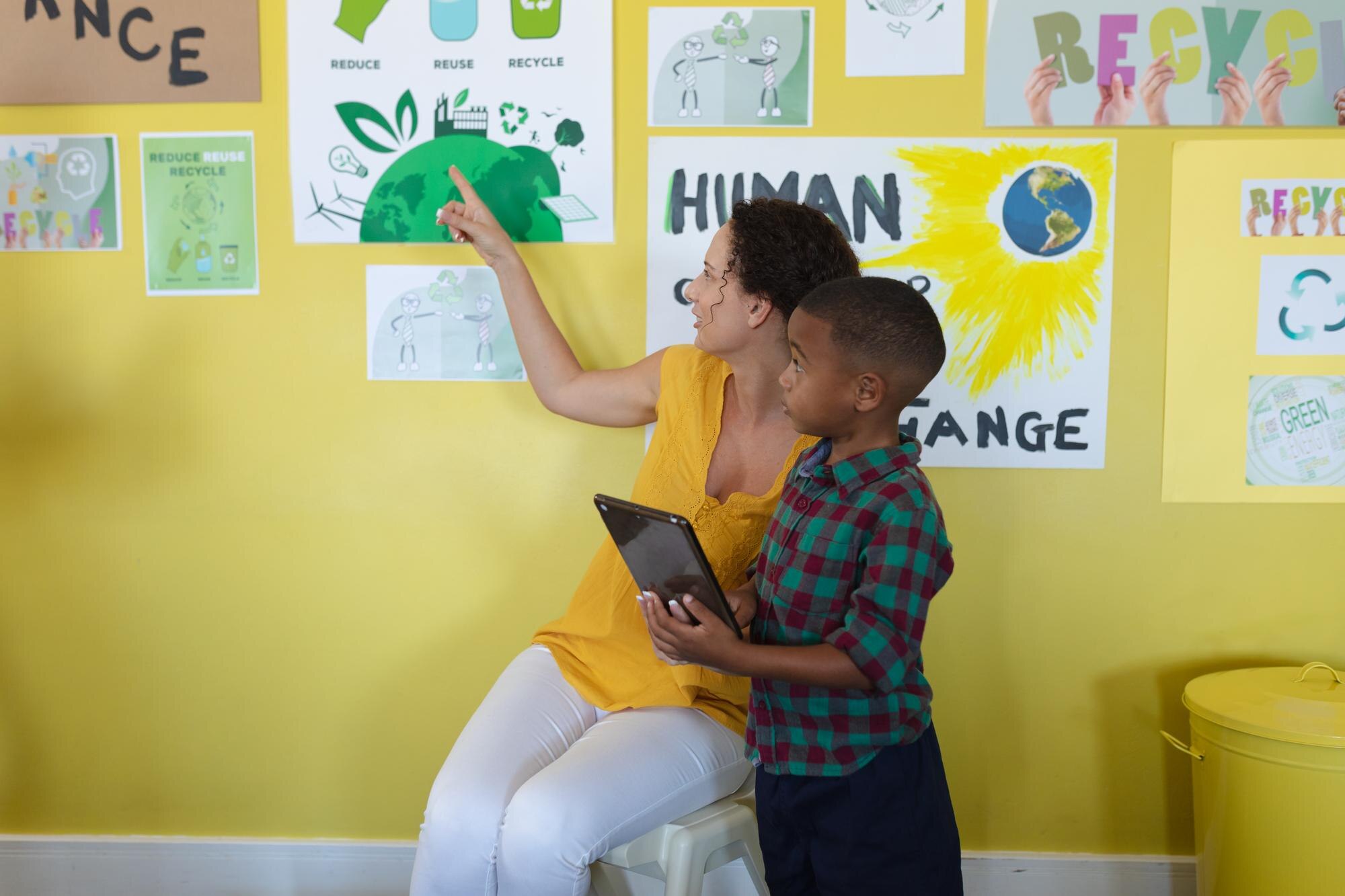
Building resilience in students is a vital part of their educational journey. It equips them with the ability to navigate challenges and bounce back from setbacks. By creating a nurturing environment and encouraging positive self-talk, educators can lay a strong foundation for resilience.
Creating a Supportive Environment
A supportive environment is crucial in helping students develop resilience. It involves providing emotional safety and encouraging open communication. Teachers can foster this by creating an inclusive classroom culture where students feel valued and understood.
Establish clear expectations and routines to provide a sense of security.
Encourage students to express their feelings and thoughts openly.
Offer consistent, constructive feedback to guide students.
Real-world example: At Genie Academy, educators have implemented “circle time” where students share daily experiences, fostering a strong sense of community.
Students reported feeling more connected and confident.
Teachers observed improved collaboration and empathy among students.
Encouraging Positive Self-Talk
Positive self-talk is a powerful tool in resilience building. Educators can teach students to replace negative thoughts with affirming ones, enhancing their self-esteem and outlook.
Conceptual explanation: Positive self-talk involves rephrasing negative thoughts into encouraging statements. This helps students view challenges as opportunities for growth.
Case study: At Gifted Challenges, a program was implemented where students wrote daily affirmations. Results showed increased self-confidence over time.
Students engaged in activities that emphasized strengths.
Regular practice led to a noticeable shift in attitude.
Actionable advice: Encourage students to practice self-talk by:
Writing down positive affirmations.
Reflecting on personal achievements.
Setting realistic, attainable goals.
Confidence Building for Gifted Students
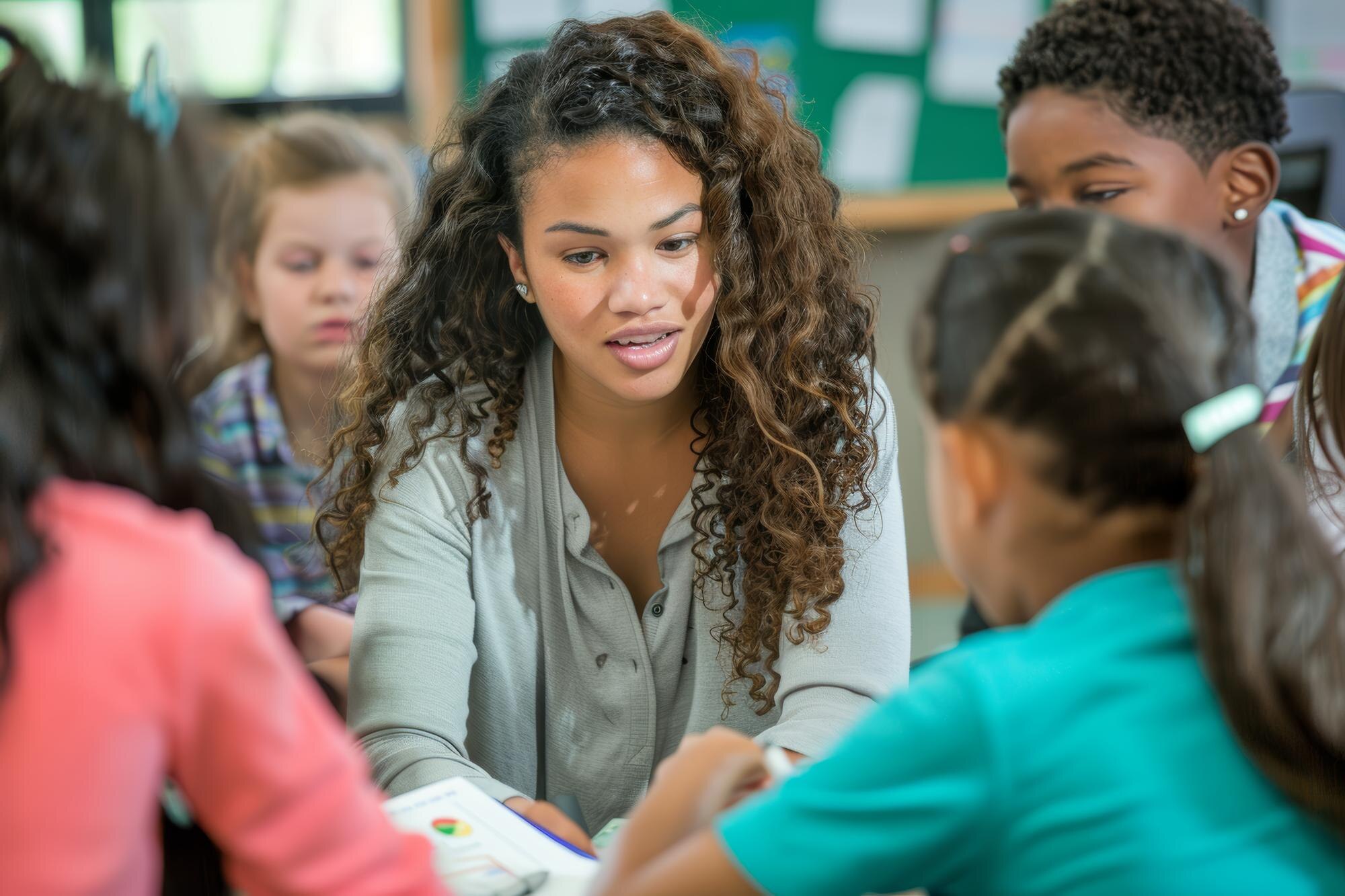
Confidence is essential for gifted students to reach their full potential. By celebrating small achievements and nurturing a growth mindset, educators can instill a lasting sense of self-assurance.
Celebrating Small Wins
Recognizing small achievements helps build confidence in gifted students. It encourages them to appreciate progress rather than perfection.
Real-world example: At ESCCO, teachers implemented a “celebration board” where students post daily accomplishments.
These small celebrations led to increased motivation.
Students felt valued and recognized for their efforts.
Actionable advice:
Highlight daily or weekly achievements.
Use verbal praise and tangible rewards.
Encourage students to share successes with peers.
Fostering a Growth Mindset
A growth mindset emphasizes the belief that abilities can develop through dedication and effort. It empowers students to embrace challenges and learn from failures.
Conceptual explanation: A growth mindset contrasts with a fixed mindset, which views intelligence as static. Encouraging a growth mindset helps students view setbacks as learning opportunities.
Quote: “Our greatest glory is not in never falling, but in rising every time we fall.” — Confucius
Case study: A Psychology Perspective initiative taught students to reframe failures as growth opportunities.
Students began taking more risks in their learning.
There was a noticeable increase in creative problem-solving.
Effective Educational Strategies
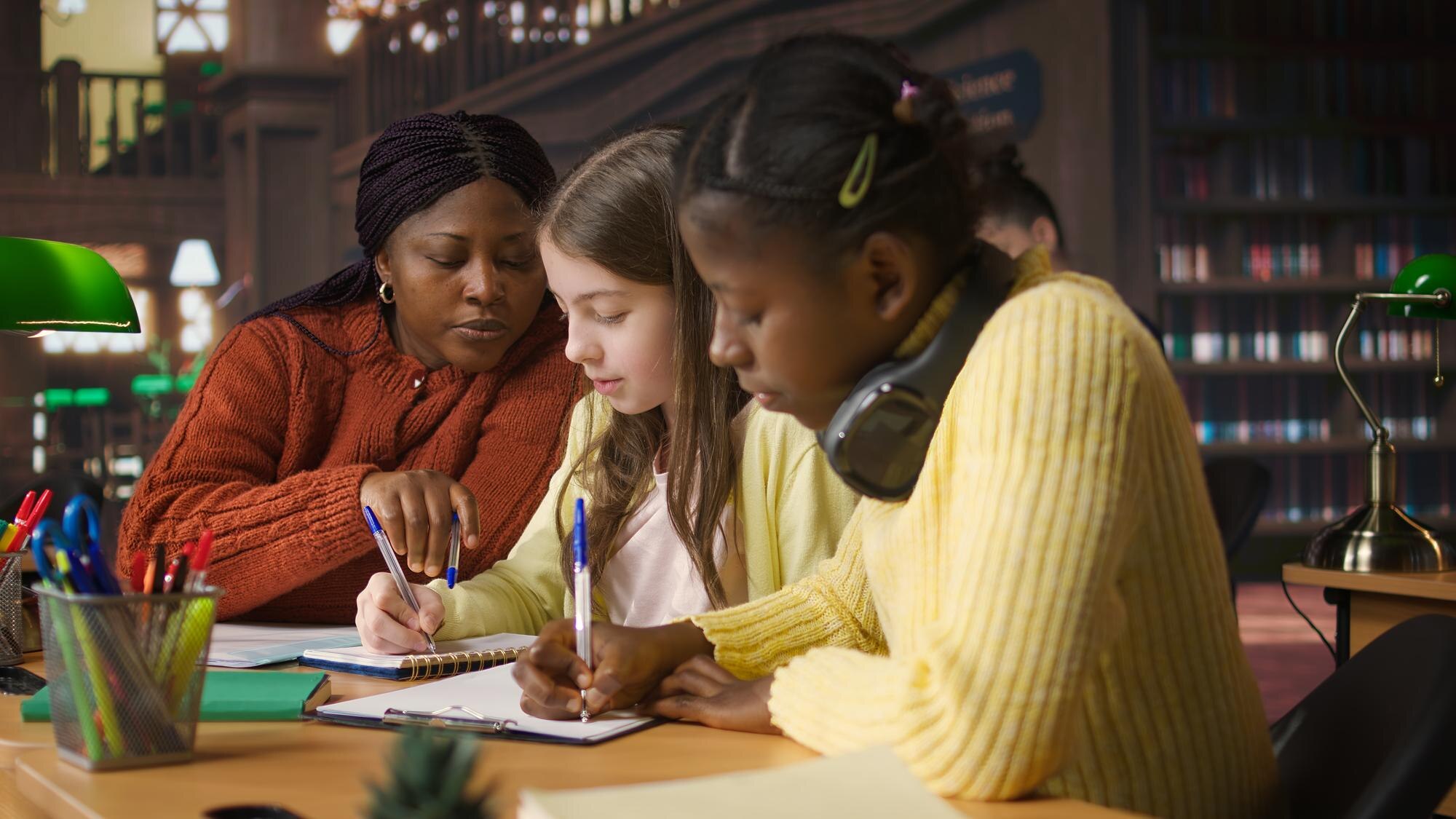
Effective strategies in gifted education focus on personalized learning and peer collaboration. These approaches cater to individual strengths, promoting a more engaged and dynamic learning experience.
Personalized Learning Approaches
Personalized learning allows educators to tailor lessons to each student’s unique needs, enhancing engagement and comprehension.
Assess each student’s strengths and challenges.
Develop individualized learning plans.
Monitor progress and adjust strategies as needed.
Data-driven insights: Schools implementing personalized learning saw a 20% increase in student engagement and a 15% improvement in academic performance.
Encouraging Peer Collaboration
Collaboration among peers fosters a supportive learning environment where students can share ideas and learn from one another.
Real-world example: At ESCCO, peer tutoring programs were established, allowing students to support and learn from their classmates.
Students developed strong communication and teamwork skills.
Collaborative projects led to innovative solutions and ideas.
Actionable advice:
Organize group projects that leverage diverse strengths.
Create peer mentorship programs.
Encourage open dialogue and mutual respect among students.

A certified Heal Your Life® Coach with 20+ years in education and emotional development. Supports gifted teens in navigating anxiety, perfectionism, and identity challenges, while equipping parents with practical tools for lasting transformation. Sessions blend emotional healing, mindset mastery, and strategic empowerment.



