
Young African American teacher writing on blackboard and explaining material to student during lesson at class
Empowering Gifted Students: Top Strategies for Educators to Foster Resilience and Confidence
Gifted students often face unique hurdles that go beyond academics. They grapple with emotional ups and downs, pressures to excel, and the weight of high expectations. As an educator, you hold the key to helping them unlock their inner resilience and confidence. By embracing tailored strategies, you can support their emotional well-being and personal growth. Dive into these practical methods and see how a few small changes can make a big difference in their lives. Your journey to empowering gifted youth starts here. For more insights, visit Gifted Challenges.
Building Emotional Resilience
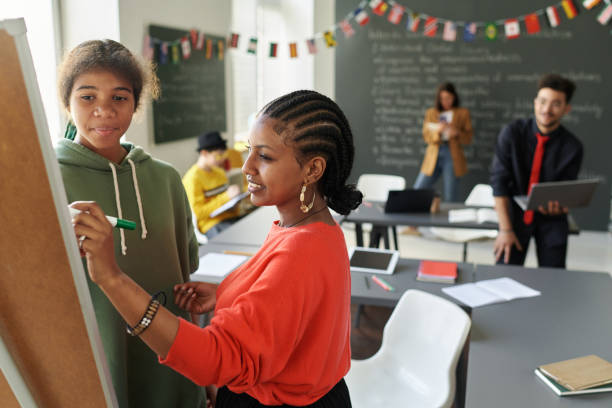
Building emotional resilience in gifted students is essential for their personal and academic growth. This section delves into understanding the emotional challenges they face and provides strategies to nurture their emotional well-being. Encouraging self-reflection and growth will help them face challenges with courage and adaptability.
Understanding Emotional Challenges
Gifted students often experience intense emotions, which can lead to anxiety and stress. Their high sensitivity to their environment and the expectations placed on them can exacerbate these feelings. Educators need to recognize these emotional challenges to provide effective support.
Emotional intensity may manifest as mood swings, perfectionism, or a fear of failure. Understanding these tendencies is crucial for developing strategies that address the root causes, rather than just symptoms.
Gifted students can sometimes feel isolated due to their unique experiences and perspectives. This isolation can hinder their emotional development. By fostering a sense of belonging, educators can help students navigate these challenges more effectively.
Learn more about building resilience from the National Association for Gifted Children.
Nurturing Emotional Well-being
To nurture emotional well-being, create an environment where students feel safe to express themselves. Open dialogue between students and educators is vital. This communication helps students articulate their feelings and understand their emotions better.
Schedule regular check-ins to discuss emotional health.
Encourage journaling to allow students to reflect on their thoughts.
Provide access to counselors or support groups.
A supportive school culture is essential for emotional resilience. Schools can organize workshops or activities focusing on emotional intelligence, helping students build tools to handle emotional challenges effectively.
Learn more about addressing social-emotional needs at ESCCO.
Encouraging Self-reflection and Growth
Self-reflection is a powerful tool in fostering resilience. Encourage students to assess their emotional responses and understand the triggers behind them. This practice leads to greater self-awareness and growth.
Creating opportunities for self-assessment allows students to track their progress and identify areas for improvement. Providing feedback during this process helps them see how they’ve developed over time.
Offer guided reflection exercises that encourage students to set personal goals. These exercises can include writing or artistic activities that promote introspection and growth.
For more insight, check out Psychology Perspective.
Confidence Building Strategies
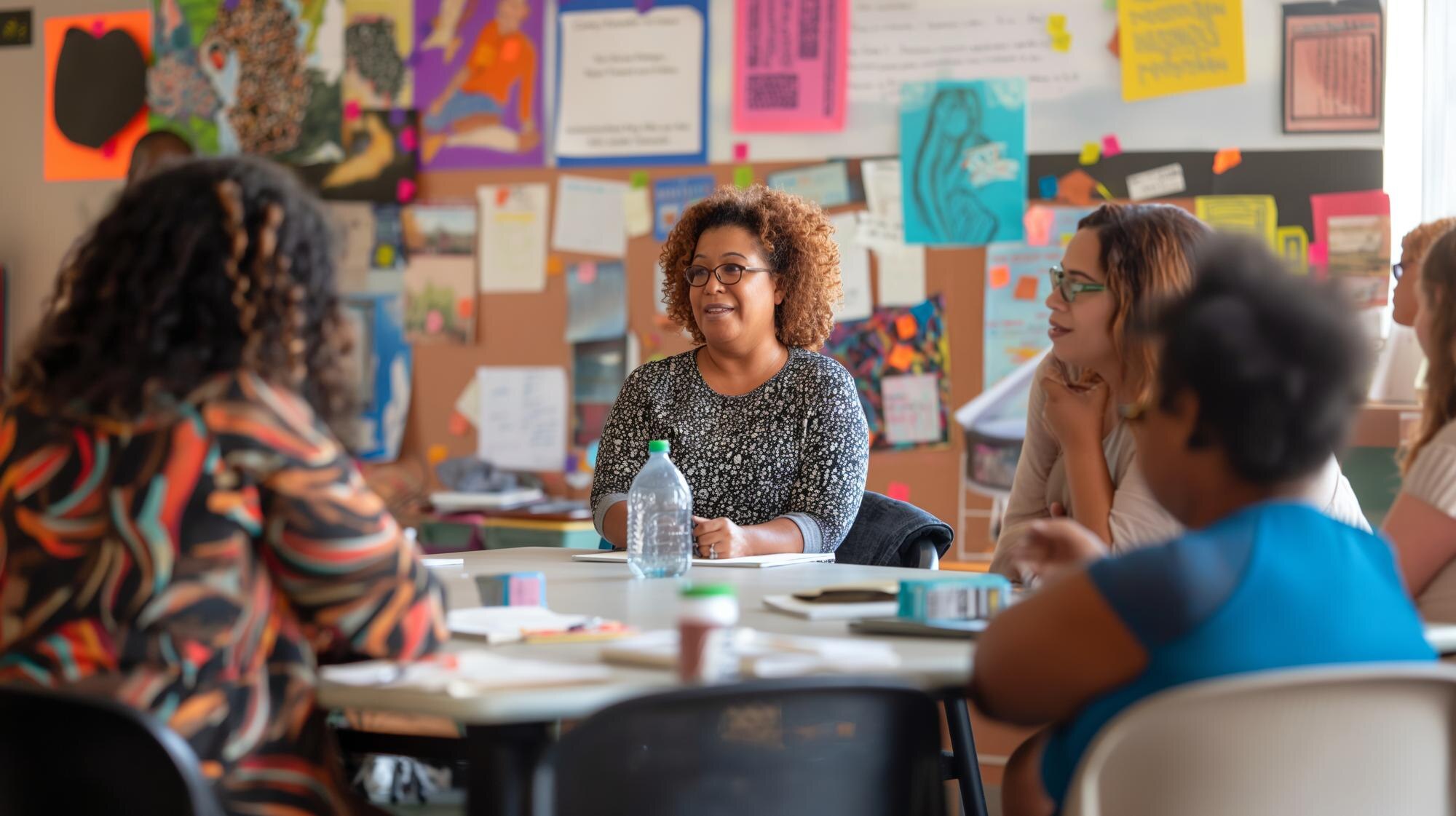
Instilling confidence in gifted students is critical for their overall success. This section explores strategies to create a supportive environment, celebrate small wins, and foster a growth mindset, all of which contribute to confidence building.
Creating a Supportive Environment
A supportive environment is one where students feel valued and understood. Promote inclusivity by recognizing individual strengths and providing personalized support tailored to each student’s needs.
Use positive reinforcement to encourage effort and progress. This approach shifts the focus from solely achieving results to valuing the learning journey.
Provide opportunities for students to share their experiences and learn from one another. Group discussions and collaborative projects can help students appreciate diverse perspectives, fostering a culture of mutual respect and support.
Find more strategies at Genie Academy.
Celebrating Small Wins
Recognizing and celebrating small achievements boosts confidence. When students see their progress acknowledged, it reinforces their belief in their abilities and encourages further effort.
Praise effort, not just outcomes.
Highlight individual contributions in group settings.
Use visual displays to showcase student achievements.
Regularly celebrating these small wins builds a positive feedback loop, helping students maintain motivation and a positive outlook on their educational journey.
Fostering a Growth Mindset
Encouraging a growth mindset helps students view challenges as opportunities for learning. Teach them that intelligence and abilities can be developed through dedication and hard work.
Use stories and examples of individuals who overcame obstacles to inspire students. Discussing these narratives helps students internalize the idea that perseverance leads to success.
Incorporate activities that challenge students and push them out of their comfort zones. These experiences teach resilience and adaptability, essential traits for lifelong learning.
Effective Educator Techniques
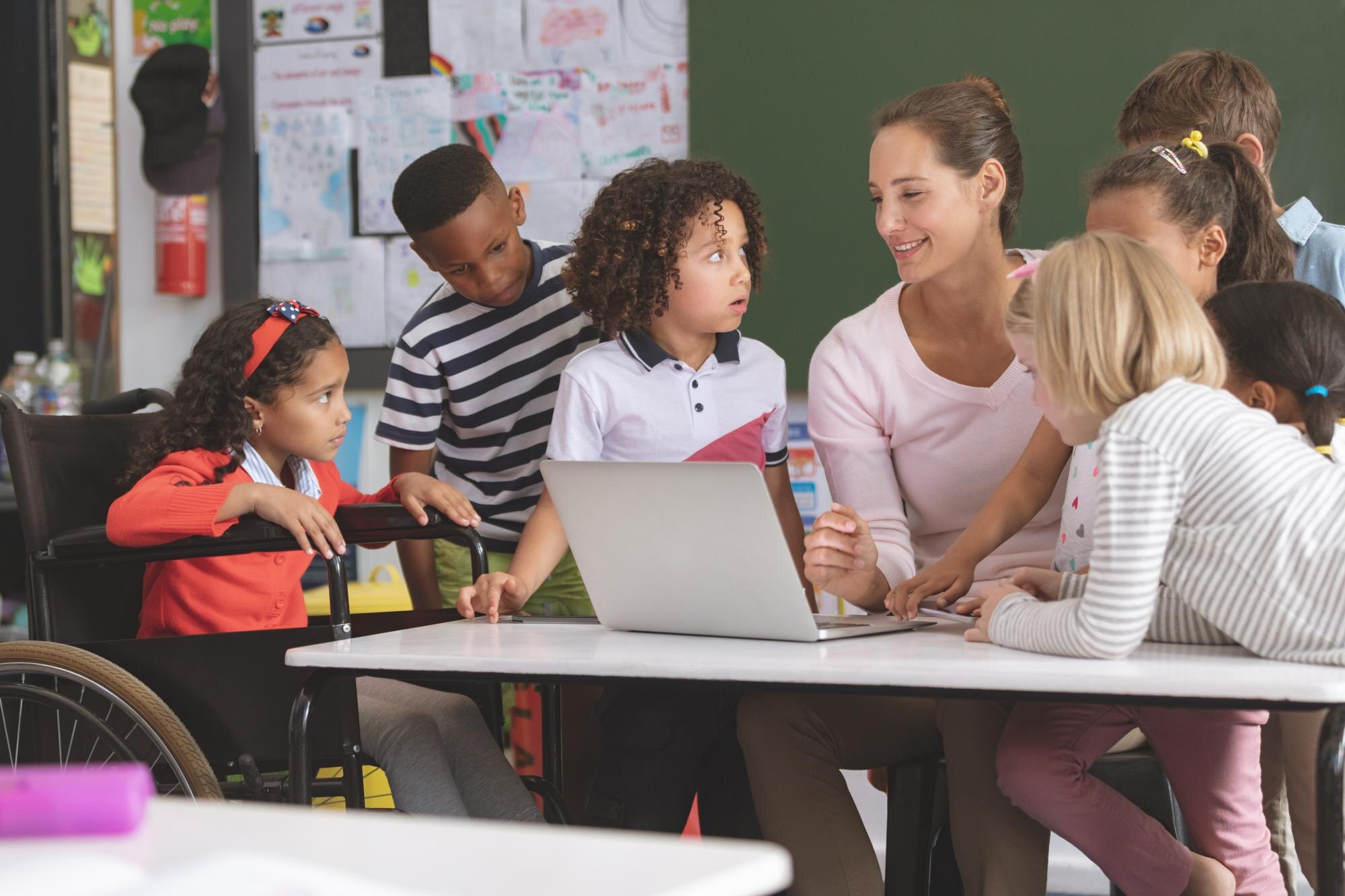
Educators play a pivotal role in the development of gifted students. This section provides techniques to personalize learning, encourage open communication, and promote peer collaboration to enhance their educational experience.
Personalized Learning Approaches
Tailor educational experiences to meet the unique needs of each student. Personalized learning acknowledges individual pace, interests, and learning styles, providing a more engaging experience.
Assess each student’s strengths, weaknesses, and interests.
Design flexible lesson plans that allow for student choice.
Use technology to create adaptive learning paths.
Personalized learning not only meets academic needs but also supports emotional well-being by reducing stress and fostering a sense of achievement.
Encouraging Open Communication
Open communication between educators and students is crucial for building trust. Listen actively to students’ concerns and feedback, validating their experiences and perspectives.
Creating a classroom culture that values dialogue encourages students to express themselves without fear of judgment. This openness can lead to deeper understanding and stronger relationships.
Encourage students to communicate with peers, fostering a supportive community where they can exchange ideas and learn collaboratively.
Promoting Peer Collaboration
Peer collaboration fosters a sense of belonging and teamwork. Organize group activities that require joint effort, enabling students to leverage each other’s strengths.
Use cooperative learning projects to enhance problem-solving skills.
Facilitate peer mentoring programs for skill-sharing.
Encourage group discussions to explore diverse viewpoints.
Through collaboration, students learn to support each other, building both confidence and resilience in their academic and personal lives.
Explore our innovative teacher training workshops to unlock the full potential of your gifted students. 🌟

A certified Heal Your Life® Coach with 20+ years in education and emotional development. Supports gifted teens in navigating anxiety, perfectionism, and identity challenges, while equipping parents with practical tools for lasting transformation. Sessions blend emotional healing, mindset mastery, and strategic empowerment.



