Top Strategies for Educators to Empower Gifted Students with Resilience and Confidence
Gifted students often face a unique set of emotional challenges. They might excel academically, yet wrestle with anxiety, perfectionism, and self-doubt. As educators, your role in guiding these bright minds goes beyond textbooks. It’s about building resilience and confidence, enabling them to thrive emotionally. In this post, you’ll uncover practical teaching strategies tailored to nurture these traits. Join the VK Creative Circle community, and together, we’ll empower gifted youth to embrace their full potential. Learn more about building resilience in gifted students.
Building Emotional Resilience
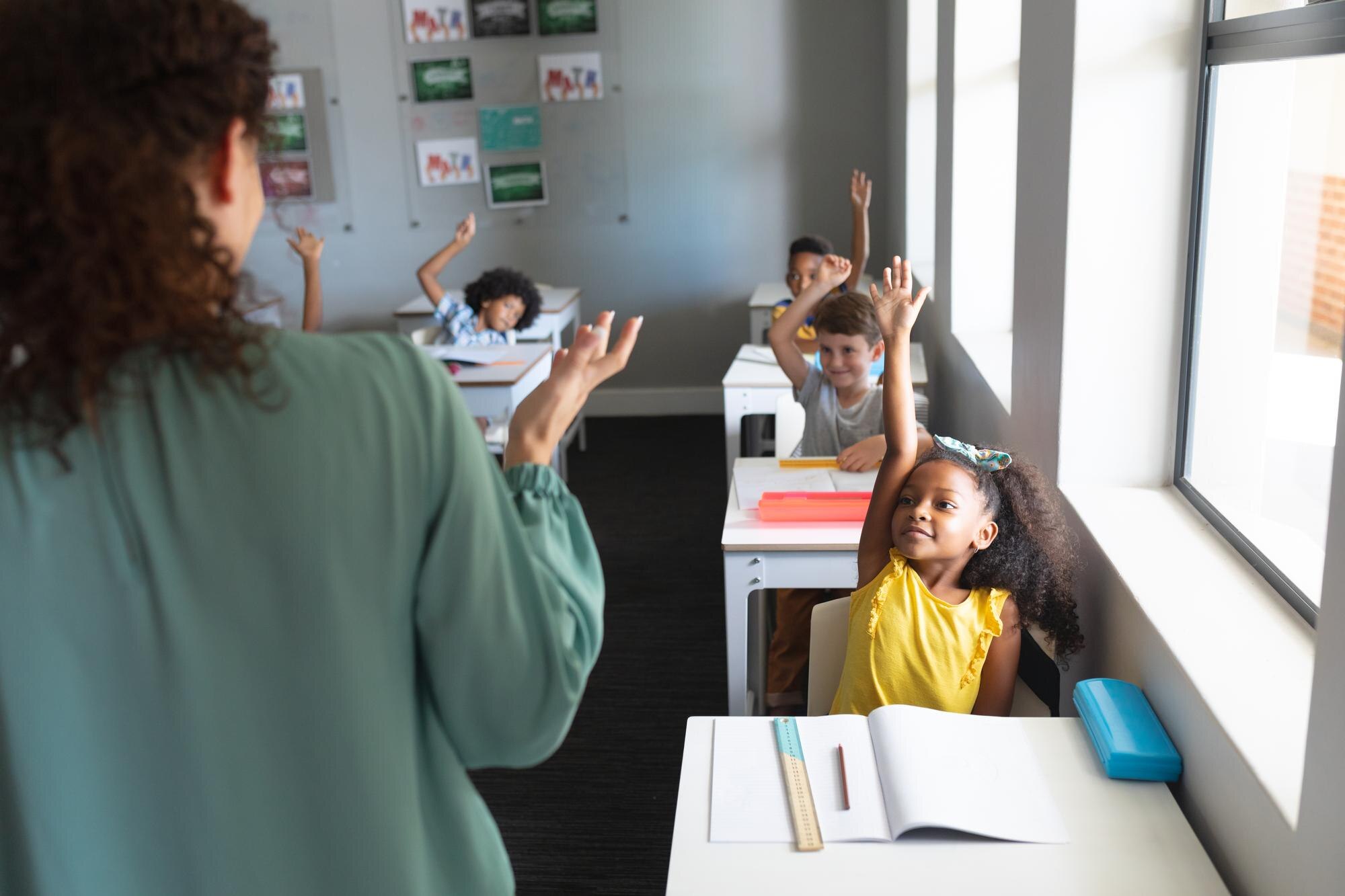
Gifted students often experience intense emotions, making emotional resilience a crucial skill. Building resilience helps them manage stress and cope with challenges. Let’s explore two effective strategies for nurturing emotional resilience: mindfulness techniques and fostering a growth mindset.
Teaching Mindfulness Techniques
Mindfulness teaches students to focus on the present, reducing anxiety and improving self-awareness. Regular practice can help gifted students handle emotional stress more effectively.
Introduce simple breathing exercises: Start each class with a short breathing session. Encourage students to focus on their breath, helping them center their minds.
Guided meditations: Play short guided meditations, focusing on themes like gratitude or emotional balance. These can be done at the start or end of a lesson.
Encourage reflection: Ask students to journal about their mindfulness experiences. This practice helps in internalizing the benefits and understanding their emotions better.
Incorporating mindfulness into the classroom helps students become more aware of their emotional states. Learn more about emotional resilience strategies.
Encouraging Growth Mindset
A growth mindset fosters the belief that abilities can be developed through dedication. This perspective is especially beneficial for gifted students, who might fear failure.
Table: Fixed Mindset vs. Growth Mindset
Aspect | Fixed Mindset | Growth Mindset |
|---|---|---|
View of ability | Static | Can be developed |
Reaction to failure | Avoidance | Opportunity to learn |
Challenges | Avoided | Embraced |
Encourage students to see challenges as opportunities for growth. Praise effort over innate ability, reinforcing the idea that hard work leads to improvement. Use real-world examples of famous figures who overcame obstacles through perseverance.
Gifted students can benefit significantly from a growth mindset, reducing the fear of failure and promoting resilience. Explore more about supporting gifted students’ emotional needs.
Boosting Student Confidence

Confidence is key for gifted students to express their ideas and take risks. By focusing on positive reinforcement and public speaking opportunities, educators can help boost their self-esteem and confidence.
Positive Reinforcement Practices
Positive reinforcement involves recognizing and rewarding desired behaviors, which can help build a student’s confidence.
Specific Praise: Instead of generic compliments, be specific. For example, “I appreciate how you explained your reasoning in detail.”
Reward Systems: Implement a points or badge system for academic achievements and personal growth milestones.
Public Acknowledgment: Share students’ accomplishments in class or during school events, making them feel valued.
Positive reinforcement not only builds confidence but also fosters a supportive classroom environment. Read more about creating supportive environments for gifted students.
Public Speaking Opportunities
Public speaking helps students develop communication skills and boosts confidence. Organize regular speaking opportunities in the classroom.
Class Presentations: Allow students to share projects or topics of interest.
Debate Clubs: Encourage joining debate clubs to refine their argumentation and public speaking skills.
School Events: Invite students to speak at school functions, providing real-world experiences.
These experiences can greatly enhance a student’s confidence, providing platforms to express themselves. Discover more about building resilience in gifted students.
Emotional Support Strategies
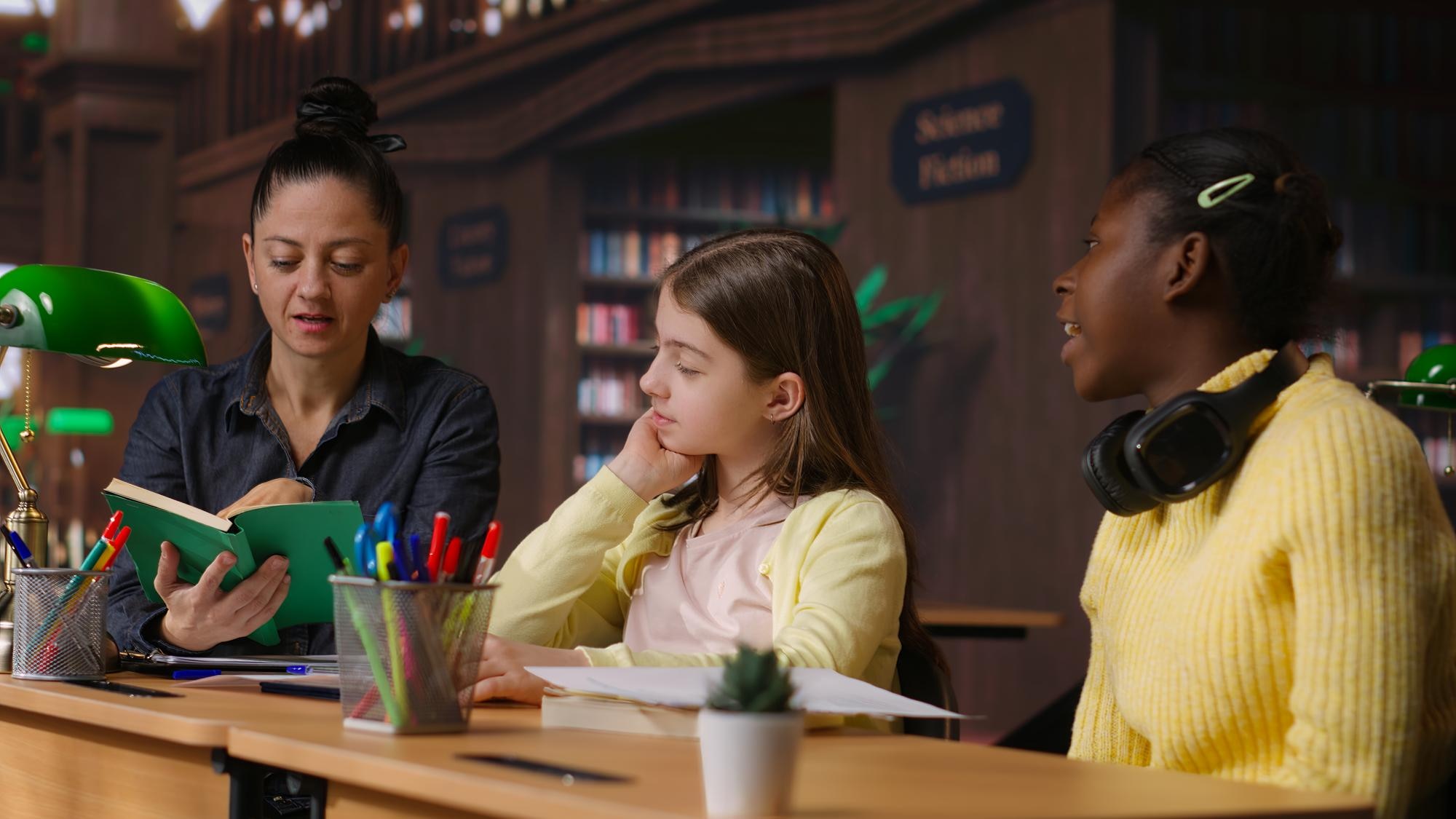
Creating a nurturing environment is essential for gifted students’ emotional well-being. By establishing safe spaces and peer mentorship programs, educators can offer essential emotional support.
Creating Safe Spaces
Safe spaces provide a secure environment where students can express themselves without judgment.
Open Dialogue: Encourage open discussions about feelings and challenges without fear of criticism.
Dedicated Time: Set aside time for students to share their thoughts and feelings with the class or teacher.
Confidentiality Assurance: Ensure that students know their disclosures are respected and kept confidential.
These environments encourage students to share and address emotional challenges. Learn how to address the emotional needs of gifted students.
Peer Mentorship Programs
Peer mentorship offers students a support network where they can learn from others’ experiences.
Pair students: Match students with peers who have similar interests or experiences.
Regular Meetings: Schedule frequent meetings to foster relationships and support networks.
Feedback Sessions: Incorporate sessions where mentors and mentees can share insights and progress.
Peer mentorship fosters a sense of belonging and provides emotional support. Explore more strategies for building resilience in gifted students.
🌟✨

A certified Heal Your Life® Coach with 20+ years in education and emotional development. Supports gifted teens in navigating anxiety, perfectionism, and identity challenges, while equipping parents with practical tools for lasting transformation. Sessions blend emotional healing, mindset mastery, and strategic empowerment.



