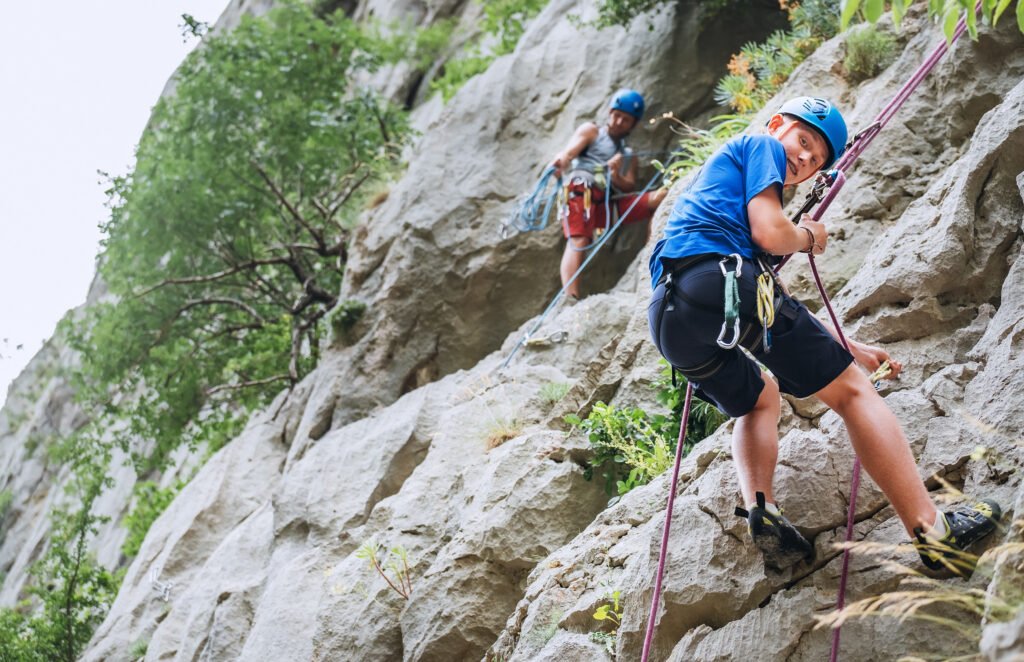
Smiling teen boy in protective helmet abseiling from cliff rock wall using rope, Belay device and climbing harness with father in Paklenica Park Croatia. Active extreme sports time spending concept
Adventure-Based Mindset Training: Unlocking Potential for Gifted Teens
Imagine your gifted teen navigating life’s challenges with the confidence of a seasoned explorer. Adventure-based mindset training is the compass that guides them through the stormy seas of anxiety and perfectionism. It’s not just about surviving; it’s about thriving. This approach fosters emotional resilience and personal growth, equipping them with tools for life. Ready to transform your teen’s journey into one of discovery and empowerment? Let’s dive into how this training can light their path and yours. Learn more about adventure-based mindset training here.
Understanding Adventure-Based Training
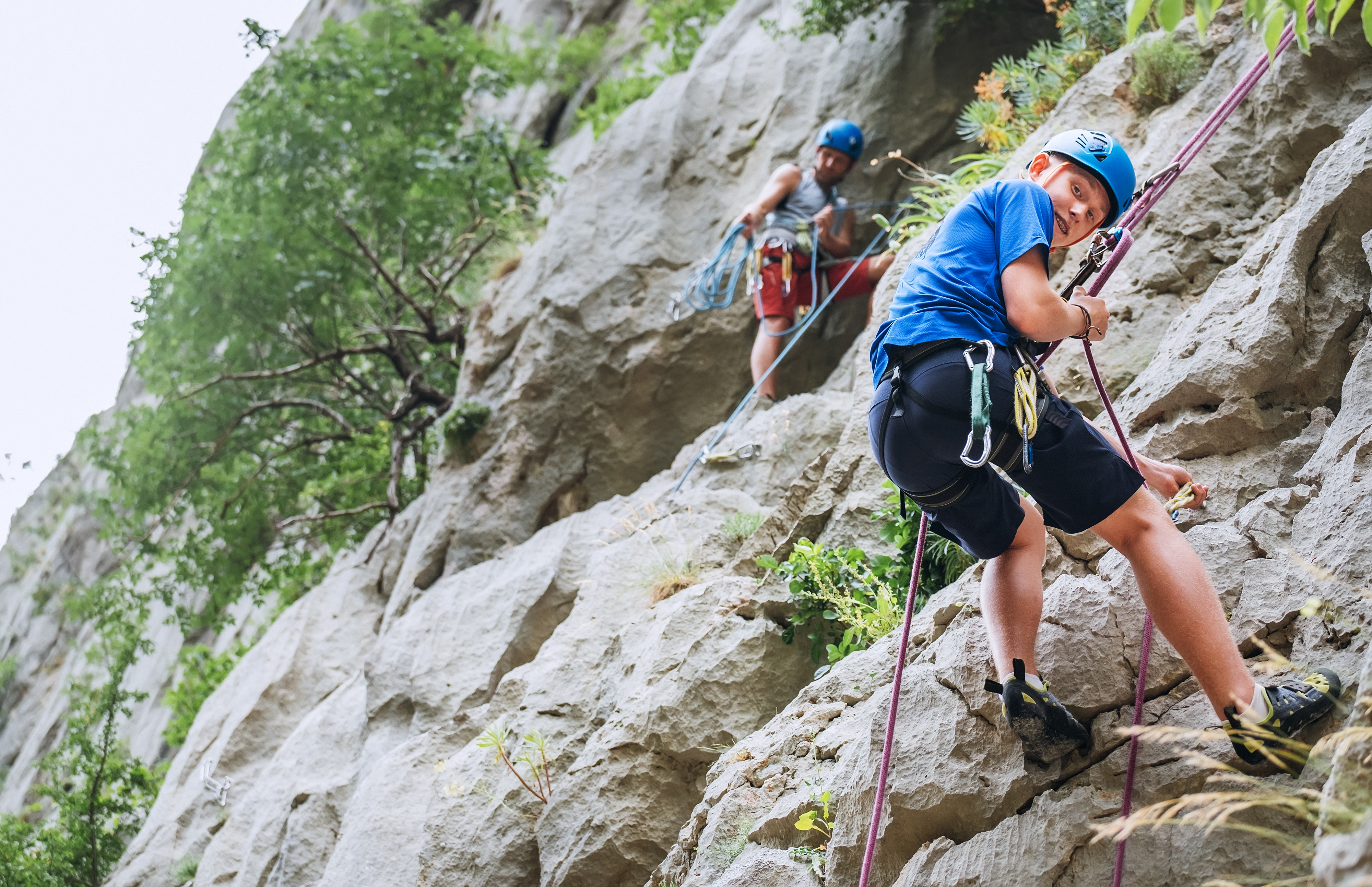
Adventure-based training offers a unique approach to mindset development, especially for gifted teens. It combines adventurous activities with mental challenges to foster emotional resilience and personal growth. By immersing teens in real-world scenarios, this training cultivates essential life skills.
What is Adventure-Based Training?
Adventure-based training is an educational approach that uses physical challenges as a medium for mental and emotional growth. It involves activities like rock climbing, hiking, or group problem-solving tasks that require participants to push their boundaries. The primary goal is to encourage self-discovery and enhance problem-solving skills.
This form of training is not just about physical activity. It’s about the lessons learned along the way. Teens are encouraged to reflect on their experiences, understand their emotions, and develop strategies to tackle similar challenges in life.
Research shows that adventure-based training enhances emotional well-being. According to Clearfork Academy, it has significant benefits for mental health, promoting qualities like perseverance and empathy.
In summary, the essence of adventure-based training lies in its ability to integrate learning with real-world experiences, creating a platform for personal and emotional growth.
Why Gifted Teens Benefit
Gifted teens often face unique emotional challenges. Adventure-based training offers them a space to explore these emotions constructively. It channels their intense energy into productive activities, helping manage stress and perfectionism.
By participating in these activities, gifted teens can experience personal growth. They learn to handle failure and develop resilience. This is crucial as gifted individuals often struggle with high expectations.
A study highlighted on PMC underscores how adventure-based programs boost self-esteem. Teens gain confidence through achievement, helping them navigate emotional obstacles.
Moreover, Mission Grit emphasizes that such programs nurture leadership skills. Gifted teens often have leadership potential, and these activities help hone their abilities.
Overall, adventure-based training provides a supportive environment for gifted teens to grow, equipping them with tools for emotional resilience and personal development.
Building Emotional Resilience
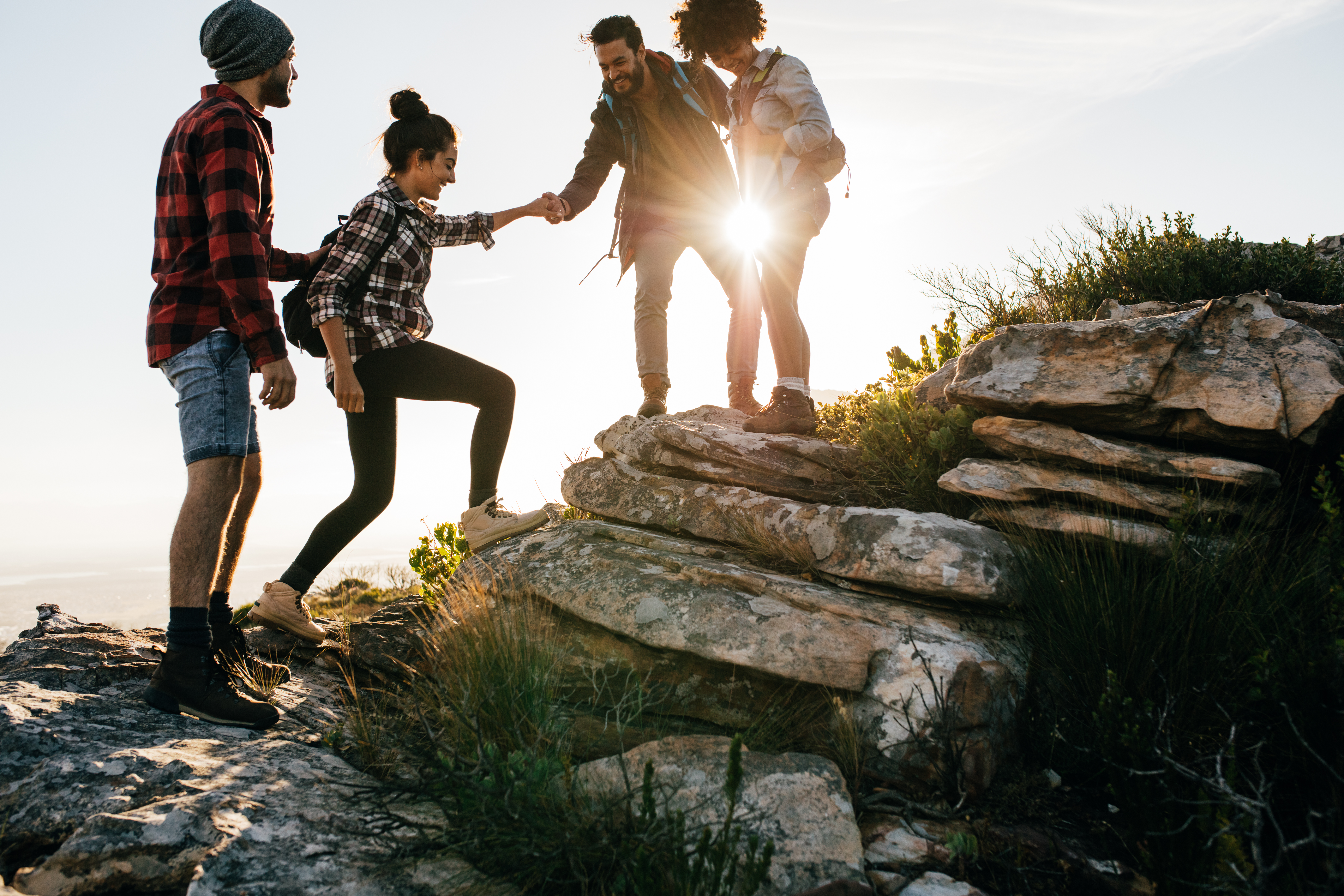
Building emotional resilience is crucial for gifted teens as they navigate life’s complexities. Adventure-based training provides tools to manage anxiety and perfectionism, fostering mental strength and adaptability.
Tackling Anxiety and Perfectionism
Gifted teens often grapple with anxiety and perfectionism. These challenges can hinder their personal growth. Adventure-based training directly addresses these issues by providing a safe space to explore and overcome them.
Firstly, adventure activities help teens confront their fears in a controlled environment. By engaging in tasks that require courage, they learn to face anxiety head-on.
Secondly, these activities teach teens to accept imperfections. When they fail, they’re encouraged to reflect and try again, promoting a growth mindset.
A Newport Academy article explains how adventure training can reduce anxiety by fostering self-confidence. As teens succeed in overcoming challenges, their self-esteem improves.
In essence, this form of training provides practical experiences that help teens manage anxiety and embrace imperfection, paving the way for emotional resilience.
Tools for Resilience and Growth
Adventure-based training equips teens with vital tools for resilience. These tools are not just physical; they are mental and emotional, too.
Problem-Solving Skills: Teens learn to assess situations, consider options, and make decisions, enhancing their cognitive abilities.
Emotional Regulation: Activities encourage teens to manage their emotions, an essential skill for personal and academic success.
Collaboration: Working in groups teaches communication and teamwork, fostering social skills and empathy.
Self-Reflection: Reflective exercises help teens understand their strengths and weaknesses, promoting continuous personal growth.
Statistics show that students who engage in adventure-based programs exhibit improved emotional regulation and social skills. This holistic approach enables them to apply these skills in everyday life.
Ultimately, these tools empower teens to navigate challenges with confidence, contributing to their overall well-being and success.
Practical Steps for Mindset Development

Adventure-based training offers practical steps for developing a resilient mindset in gifted teens. By engaging in real-world challenges, they learn important life lessons. This section explores how both parents and teens can benefit.
Real-World Challenges
Real-world challenges are integral to adventure-based training. They provide teens with opportunities to apply their learning in meaningful contexts.
Example: A group of teens might be tasked with building a raft to cross a river. This activity requires teamwork, problem-solving, and resilience.
Key Insight: Such activities teach perseverance as teens work through difficulties and learn from their trials and errors.
Learning Outcome: Teens develop a sense of accomplishment and self-reliance.
Case studies show that hands-on experiences enhance learning retention. They offer a tangible way for teens to practice and internalize the skills they need to thrive.
Ultimately, these challenges transform obstacles into learning opportunities, fostering a growth mindset.
Empowering Parents and Teens
Parents play a crucial role in supporting their gifted teens. Adventure-based training offers strategies that empower both parents and their children.
Support Strategies:
Encourage Participation: Motivate teens to engage in adventure-based activities, emphasizing the benefits of personal growth.
Create a Supportive Environment: Celebrate achievements and provide a safe space for discussing challenges and emotions.
Model Resilience: Demonstrate how to handle setbacks positively, setting an example for teens to follow.
Seek Professional Support: Consider attending workshops or counseling sessions that focus on adventure-based training.
In summary, empowering parents and teens involves building a supportive network that encourages resilience and growth. By taking these steps, families can work together to enhance their emotional well-being. 🌟

A certified Heal Your Life® Coach with 20+ years in education and emotional development. Supports gifted teens in navigating anxiety, perfectionism, and identity challenges, while equipping parents with practical tools for lasting transformation. Sessions blend emotional healing, mindset mastery, and strategic empowerment.



