Empowering the Gifted: Top Strategies for Educators to Foster Resilience and Confidence
Imagine a classroom where gifted students not only excel academically but also shine with resilience and confidence. As educators, you hold the key to unlocking this potential. Gifted students often face unique emotional challenges, from anxiety to perfectionism. Overcoming these hurdles requires more than traditional teaching methods. In this blog, you’ll find practical strategies to support their emotional growth, ensuring they thrive in every aspect of life. Ready to make a lasting impact? Let’s dive in!
Nurturing Emotional Growth
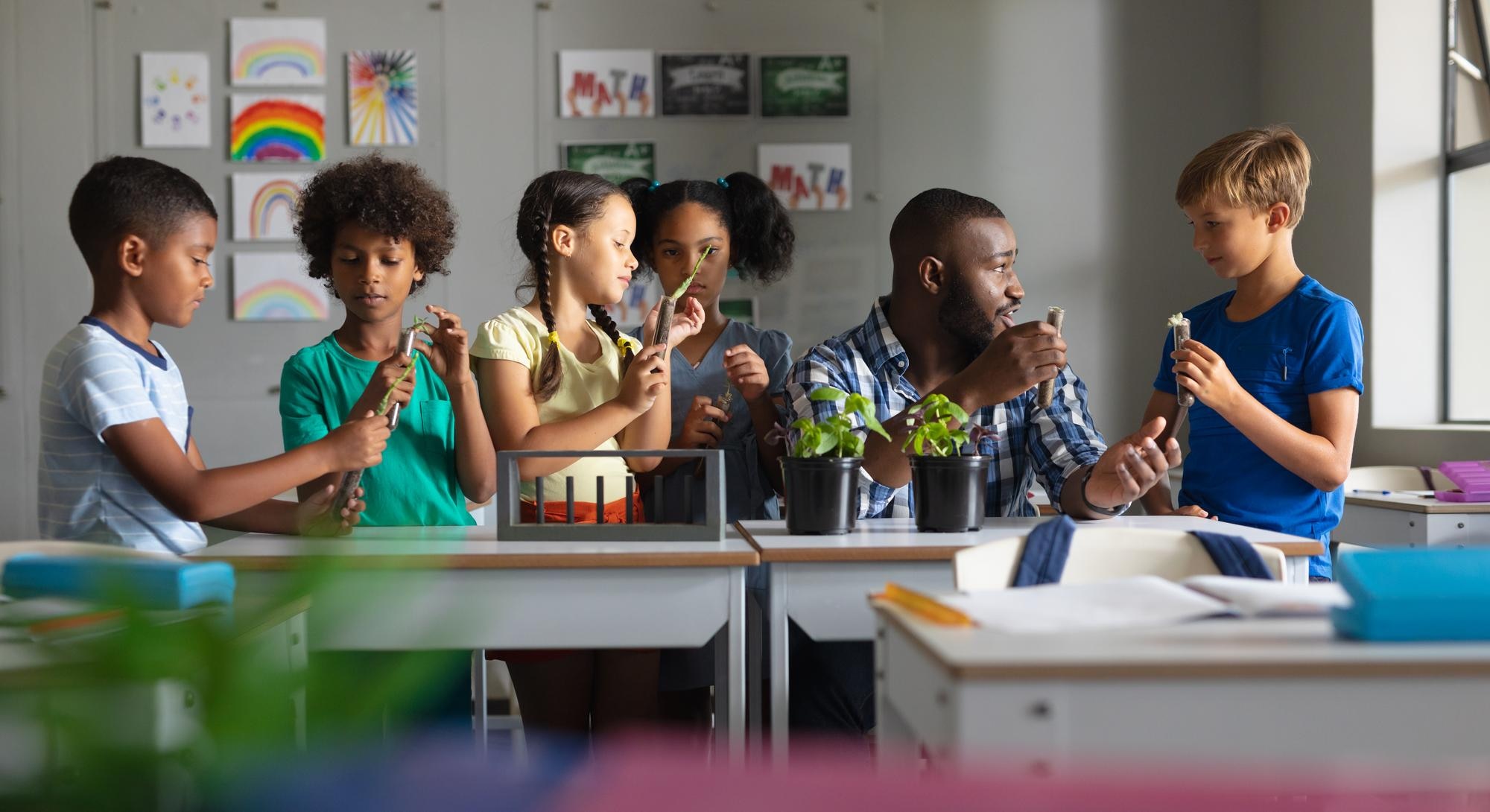
Gifted students often require more than academic challenges to flourish. Emotional growth is crucial for their overall development. By nurturing their emotional intelligence, educators can help them navigate life’s ups and downs with resilience and confidence.
Building Resilience in Gifted Students
Gifted students face unique pressures that can affect their resilience. Resilience is the ability to bounce back from setbacks and is crucial for their overall well-being. To foster resilience, educators should focus on cultivating a growth mindset.
Encourage students to view challenges as learning opportunities.
Teach them to set realistic goals and celebrate small achievements.
Provide constructive feedback to help them learn from mistakes.
Real-world example: A gifted student struggling with a difficult math problem initially views it as a failure. With guidance, they learn to tackle it step by step, ultimately solving it and feeling empowered.
Key insights:
Resilience is built through supportive environments.
Positive reinforcement enhances a student’s ability to recover from setbacks.
Encouraging persistence is key to developing resilience.
Encouraging Confidence Through Challenges
Gifted students often shy away from challenges due to fear of failure. Confidence can be bolstered by gradually introducing them to manageable challenges.
Introduce a real-world example: A student hesitant to participate in a science fair gains confidence by starting with smaller projects, eventually presenting at regional levels.
Start with small, attainable challenges to build initial confidence.
Gradually increase the complexity as students become more comfortable.
Celebrate every attempt and progress, not just success.
Key insights:
Confidence grows with exposure to varied experiences.
Supporting risk-taking in a safe environment is crucial.
Incremental challenges prepare students for larger tasks.
Emotional Support for Gifted Youth
Gifted students often experience heightened emotions, making emotional support vital. Educators can provide this support by being attentive and empathetic.
Listen actively to their concerns without judgment.
Create a safe space where students feel comfortable expressing emotions.
Offer resources such as counseling or peer support groups.
Real-world example: A gifted teen overwhelmed by academic pressure finds solace in a supportive teacher who provides a listening ear and guidance.
Key insights:
Emotional support is foundational for gifted students’ success.
Understanding and empathy build trust with students.
Resources and support networks are essential for well-being.
Practical Strategies for Educators

Educators play a pivotal role in creating an environment conducive to learning and personal growth. With practical strategies, they can support gifted students in reaching their full potential.
Creating a Safe Learning Environment
Creating a safe learning environment is essential for gifted students to thrive. This involves fostering an atmosphere where they feel respected and valued.
Encourage open communication between students and teachers.
Establish clear guidelines to ensure respectful interactions.
Provide opportunities for students to voice their opinions and ideas.
Key insights:
A supportive classroom fosters mutual respect.
Clear communication builds a trusting learning environment.
Student input enhances engagement and belonging.
Developing Personalized Learning Plans
Personalized learning plans cater to the unique needs of gifted students. These plans should be flexible and tailored to individual strengths and interests.
Assess each student’s abilities and interests.
Set specific, measurable goals aligned with their aspirations.
Regularly review and adjust plans to accommodate their progress.
Real-world example: A student interested in robotics benefits from a customized learning path that includes advanced courses and hands-on projects.
Key insights:
Personalized plans motivate students by aligning with their passions.
Regular updates ensure the plan remains relevant and challenging.
Individualized attention helps students excel in their areas of interest.
Empowering Students with Self-Advocacy Skills
Self-advocacy empowers gifted students by teaching them to express their needs and seek solutions. These skills are vital for their academic and personal growth.
Guide students in identifying their strengths and weaknesses.
Encourage them to communicate their needs assertively.
Provide role-playing scenarios to practice self-advocacy.
Key insights:
Self-advocacy skills build independence and confidence.
Open communication encourages autonomy.
Practice helps students articulate their needs effectively.
Enhancing Personal Growth
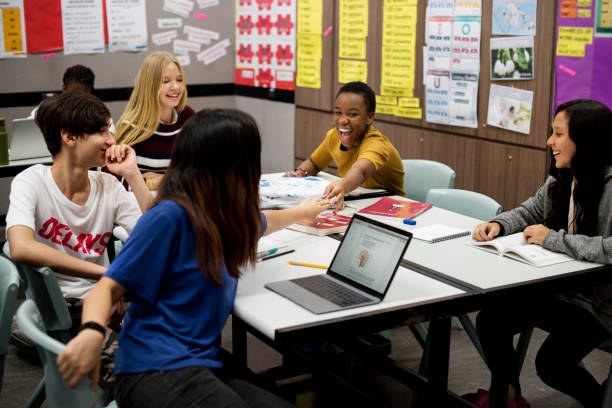
Gifted students’ personal growth involves overcoming emotional challenges and building a positive self-image. Educators and mentors can guide them through this transformative journey.
Overcoming Anxiety and Perfectionism
Anxiety and perfectionism are common issues among gifted students. Addressing these requires a supportive approach that encourages balance and self-compassion.
Actionable advice:
Teach relaxation techniques such as deep breathing or mindfulness.
Encourage students to set realistic, achievable goals.
Remind them that mistakes are part of the learning process.
Key insights:
Anxiety can be managed with stress-reduction techniques.
Setting achievable goals reduces the pressure of perfectionism.
A supportive environment helps mitigate anxiety.
Promoting Positive Self-Image
Gifted students often struggle with self-image, impacting their confidence. Promoting a positive self-image involves reinforcing their unique strengths and achievements.
Highlight each student’s unique talents and contributions.
Foster a culture of appreciation and acceptance.
Provide constructive feedback that focuses on growth.
Key insights:
Positive reinforcement strengthens self-worth.
Recognizing individuality fosters self-acceptance.
Constructive feedback promotes personal growth.
VK Creative Circle’s Approach to Coaching 🚀
VK Creative Circle offers a specialized approach for empowering gifted teens through emotional support and high-performance coaching. This holistic method integrates strategic empowerment with emotional healing, addressing both the mind and heart.
1:1 Private Coaching: Personalized sessions focus on emotional intelligence and personal growth.
Parent Coaching: Guides parents in supporting their gifted teens effectively.
Workshops: Interactive sessions that combine strategic empowerment with emotional support.
Key insights:
VK Creative Circle’s approach is holistic, integrating mind and heart.
Emotional intelligence is central to personal development.
Family involvement is crucial in supporting gifted youth.

A certified Heal Your Life® Coach with 20+ years in education and emotional development. Supports gifted teens in navigating anxiety, perfectionism, and identity challenges, while equipping parents with practical tools for lasting transformation. Sessions blend emotional healing, mindset mastery, and strategic empowerment.



